
Introduction: Supporting Your Brain, One Day at a Time
Forgetting where you placed your keys, losing your train of thought, struggling to concentrate during a busy afternoon, or feeling mentally tired after a long day can happen to anyone.
Occasional lapses in memory and attention are not necessarily signs of a serious problem. Sleep quality, stress, hydration, diet, physical activity, workload, and many other everyday factors can influence how well we think and concentrate.
As we get older, however, maintaining cognitive health becomes an increasingly important part of overall wellness.
The brain is a highly active organ that depends on adequate nutrition, blood flow, cellular energy, healthy neuronal communication, and a supportive lifestyle. While there is no single supplement or lifestyle habit that can guarantee perfect memory or focus, a comprehensive approach may help support normal cognitive function and healthy aging.
This is where nutritional support can become part of the conversation.
A brain health supplement such as Youthful Brain may be worth considering for adults who want to complement healthy lifestyle habits with targeted nutritional support.
But before choosing any supplement, it is helpful to understand what actually contributes to brain health and what realistic expectations should look like. You can also see if Youthful Brain is right for you after reviewing the fundamentals below.
Understanding Brain Health and Cognitive Function
The human brain contains billions of neurons that continuously communicate with one another. This intricate network allows us to remember information, learn new skills, make decisions, regulate emotions, solve problems, and maintain attention.
Several biological processes contribute to normal cognitive function.

Neuroplasticity: Your Brain's Ability to Adapt
Neuroplasticity refers to the brain's ability to adapt and reorganize its connections in response to learning, experience, and environmental changes.
Throughout life, the brain can strengthen certain neural pathways while creating or modifying others.
Activities such as learning a language, playing a musical instrument, reading, exercising, solving challenging problems, and developing new skills can provide opportunities for mental stimulation.
This is one reason cognitive wellness is not simply about taking a supplement. Daily habits can also help maintain an active and adaptable brain.
Neuronal Communication
Neurons communicate through electrical and chemical signals. Efficient communication between neurons is fundamental to memory, attention, learning, and other cognitive processes.
Neurotransmitters — chemical messengers that help neurons communicate — play important roles throughout the nervous system. Examples include:
- Acetylcholine
- Dopamine
- Serotonin
- Glutamate
- GABA
These neurotransmitters have different functions and operate within complex biological systems.
Supporting overall nutritional health does not mean that a supplement can simply "boost" a neurotransmitter on demand. Rather, adequate nutrition contributes to the normal functioning of the systems involved in neuronal communication. To learn more about how nutritional ingredients may fit into this picture, watch the full presentation on brain-health nutrition.
Cerebral Blood Flow and Brain Wellness
The brain requires a continuous supply of oxygen and nutrients. Cerebral blood flow helps deliver oxygen and nutrients while assisting with the removal of metabolic waste products.
Healthy cardiovascular habits therefore matter for brain health as well as physical health. Regular physical activity, maintaining a healthy lifestyle, avoiding smoking, managing cardiovascular risk factors, and following a balanced diet can all form part of a broader approach to supporting healthy circulation.
This is another example of why cognitive wellness should be viewed as part of overall health rather than as an isolated concern.
Oxidative Stress and the Brain
The brain has a high energy demand and uses substantial amounts of oxygen. Normal metabolism can produce molecules known as reactive oxygen species. The body has antioxidant systems that help maintain balance.
When oxidative processes exceed the body's ability to manage them, oxidative stress can occur. Researchers continue to investigate the relationship between oxidative stress, aging, and neurological health.
A diet containing a variety of fruits, vegetables, whole grains, nuts, seeds, and other nutrient-rich foods can provide naturally occurring antioxidants and other compounds that contribute to overall nutritional health.
Inflammation and Cognitive Health
Inflammation is a normal biological response involved in immune defense and tissue repair. However, researchers are also studying how chronic inflammatory processes may interact with aging and neurological health.
It is important to distinguish between normal physiological inflammation and medical conditions involving abnormal or persistent inflammation.
Rather than focusing on one isolated "anti-inflammatory" ingredient, a more responsible approach is to consider overall lifestyle patterns — including nutritious food choices, physical activity, adequate sleep, stress management, and appropriate medical care.
Mitochondrial Function and Mental Energy
Every cell needs energy to function, and neurons have particularly high energy requirements. Mitochondria, often described as the energy-producing structures within cells, play an important role in cellular energy metabolism.
Healthy mitochondrial function is therefore relevant to normal cellular activity throughout the body, including the nervous system.
Nutrition, exercise, sleep, and general metabolic health can all influence the environment in which these cellular processes operate. This helps explain why maintaining brain health is not simply about memory alone. It involves multiple interconnected biological systems.
Everyday Habits That Support Cognitive Wellness
A supplement should never be viewed as a replacement for foundational health habits.
If your goal is memory support, focus and concentration, or healthy cognitive aging, consider building these habits into your routine.

1. Prioritize Quality Sleep
Sleep is closely connected with memory and cognitive performance. During sleep, the brain remains biologically active. Sleep supports processes involved in learning, memory consolidation, emotional regulation, and overall brain function.
A consistent sleep schedule and a comfortable sleep environment can be useful components of a healthy routine.
2. Stay Physically Active
Regular physical activity benefits cardiovascular health, metabolic health, mood, and overall well-being. Because cardiovascular health and brain health are interconnected, movement can be an important component of a long-term cognitive wellness strategy.
Walking, cycling, swimming, strength training, or other enjoyable activities can help make physical activity sustainable.
3. Manage Everyday Stress
Stress can affect sleep, concentration, mood, and perceived mental energy. Simple practices such as breathing exercises, meditation, time outdoors, hobbies, adequate breaks, and maintaining social connections may help support stress management.
4. Stay Hydrated
The body needs adequate fluid intake for normal physiological function. Dehydration can contribute to symptoms such as fatigue and difficulty concentrating in some circumstances. Individual hydration needs vary according to factors such as activity level, climate, diet, and health status.
5. Eat a Balanced Diet
The brain requires a range of nutrients to function normally. A varied diet can include:
- Vegetables and fruits
- Whole grains
- Legumes
- Nuts and seeds
- Lean protein sources
- Healthy fats
- Adequate fluids
Instead of looking for one "magic" food, aim for nutritional variety. Some adults also review guides on foods that could impact your memory when building a balanced eating routine.
6. Maintain Social Connections
Social engagement provides mental stimulation and can contribute to emotional well-being. Conversation, community activities, hobbies, volunteering, and time with friends or family can all provide opportunities for cognitive and social engagement.
7. Keep Your Brain Active
Learning and mental stimulation can complement physical health habits. Consider reading, puzzles, learning new skills, music, writing, strategy games, creative activities, or learning a new language.
The goal isn't to "train away" every memory lapse. It is to keep learning and engaging with the world. When you're ready to add nutritional support to those habits, you can learn more about Youthful Brain as one possible option.
Where Does Youthful Brain Fit In?
After establishing the fundamentals of brain health, some adults may also consider nutritional supplements as part of their wellness routine.
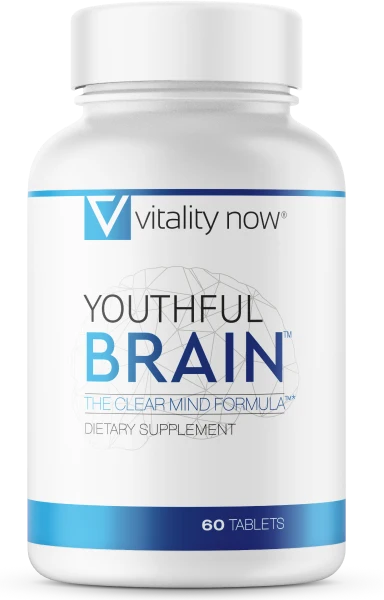
Youthful Brain is positioned as a supplement intended to provide nutritional support related to cognitive wellness.
What Makes Youthful Brain Different?
The most useful way to evaluate a cognitive wellness supplement is not simply to ask whether it promises better memory or sharper focus. Instead, consider what the product actually contains, why those ingredients are included, how transparent the manufacturer is, and whether the product fits your individual needs.
Youthful Brain may appeal to consumers looking for a convenient supplement option to complement their existing approach to cognitive wellness.
However, without verified product-specific evidence, it would be inappropriate to claim that Youthful Brain is superior to other supplements or that it produces better results.
When evaluating Youthful Brain, look for:
- A clearly disclosed ingredient list
- Transparent serving information
- Clearly stated directions
- Manufacturer information
- Appropriate quality-control information
- Reasonable, non-exaggerated product claims
- A clearly identifiable official product source
The goal should be informed decision-making — not promises of guaranteed cognitive results. To review the official formula details, view the official formula on the product page.
Who May Consider Youthful Brain?
Youthful Brain may be considered by adults who are interested in incorporating nutritional support into a broader approach to brain health, memory support, focus and concentration, mental clarity, cognitive wellness, and healthy cognitive aging.
However, supplements aren't appropriate for everyone. If you have persistent or significant changes in memory, concentration, behavior, language, or other cognitive abilities, it is important to speak with a qualified healthcare professional rather than attempting to address the issue solely with supplements.
A supplement should complement healthy habits — not replace appropriate medical evaluation.
How to Use Youthful Brain
Usage instructions should always come from the current product packaging or official product information.
Recommended approach: Follow the directions provided on the Youthful Brain label — typically two tablets daily with food, for a 30-day supply per bottle when used as directed.* When you're ready to order, you can reserve your bundle today through the official checkout page.
Safety & Considerations
Youthful Brain, like other dietary supplements, should be considered within the context of an individual's overall health. Keep these points in mind:
- Dietary supplements are not intended to diagnose, treat, cure, or prevent disease.
- Consult a qualified healthcare professional before using supplements if you take medications or have a medical condition.
- Pregnant or breastfeeding individuals should consult a healthcare professional before using dietary supplements.
- Review the complete ingredient list before use, particularly if you have known allergies or sensitivities.
- Do not use a supplement as a substitute for medical diagnosis or treatment.
- If you experience persistent or significant memory or cognitive changes, speak with a healthcare professional.
These precautions are especially important because supplements can interact with medications or may not be appropriate for certain individuals.
Why Consider Youthful Brain?
If you're researching a Youthful Brain supplement, consider the product as one potential component of a broader cognitive wellness strategy.
A thoughtful evaluation is more useful than relying solely on marketing language. If you'd like to go further, discover the product details or explore Youthful Brain on the official site.
Frequently Asked Questions
1. What is Youthful Brain?
2. Is Youthful Brain a brain health supplement?
3. Can Youthful Brain improve memory?
4. Can Youthful Brain support focus and concentration?
5. What ingredients are in Youthful Brain?
6. How should Youthful Brain be taken?
7. How long does Youthful Brain take to work?
8. Is Youthful Brain suitable for everyone?
9. Can a brain health supplement replace a healthy lifestyle?
10. Where can I learn more about Youthful Brain?
Ready to explore whether Youthful Brain fits your cognitive wellness routine?