
Some everyday foods and food ingredients can make it harder to maintain healthy blood pressure—but not all of them deserve the same level of concern. Learn which ones matter most, what the research actually says, and how to build a more heart-conscious diet.
Blood pressure is influenced by much more than a single food.
Your overall eating pattern, sodium intake, physical activity, body weight, sleep, age, genetics, medications, kidney health, and other medical conditions can all play a role. That is why a sensible approach focuses on overall dietary habits rather than labeling one ingredient as the sole cause of high blood pressure.
Still, some ingredients deserve more attention than others.
The strongest dietary evidence for blood-pressure management involves excess sodium and overall dietary patterns, while other ingredients discussed online—such as MSG, preservatives, phosphate additives, and certain sweeteners—need more careful interpretation.
In this guide, we'll look at seven commonly discussed ingredients and explain:
- What they are
- Where you may find them
- What the evidence actually suggests
- Which concerns are well established—and which are often overstated
- How to make smarter food choices
- What to consider if you're also exploring a heart-health supplement
Important: This article is educational and is not intended to diagnose, treat, cure, or prevent high blood pressure or cardiovascular disease.

Quick Answer: Which Ingredients Matter Most?
If you're trying to make your diet more supportive of healthy blood pressure, don't panic about every unfamiliar ingredient on a label.
Instead, prioritize the factors with the strongest evidence.
The biggest priorities are:
- Excess dietary sodium — High sodium intake can contribute to increased blood pressure, particularly in people who are sodium-sensitive.
- Highly processed foods — Many processed foods combine sodium, refined carbohydrates, added sugars, saturated fats, and other ingredients in ways that can make a heart-conscious diet more difficult.
- Artificial trans fats — Partially hydrogenated oils are strongly associated with adverse cholesterol and cardiovascular outcomes and have been largely eliminated from the U.S. food supply.
- Excess added sugars — Frequently consuming sugary drinks and highly processed foods can make maintaining a healthy weight and overall cardiometabolic health more difficult.
The other ingredients below require more nuance. Their presence on a label does not automatically mean a food will raise your blood pressure.
1. Sodium Nitrite & Nitrate
Where you may find them
Sodium nitrite and nitrate are commonly associated with processed meats such as:
- Bacon
- Hot dogs
- Sausages
- Deli meats
- Cured meats
- Some packaged meat products
These compounds can serve important technological purposes, including helping preserve certain cured meats and contributing to their characteristic color and flavor.
What's the concern?
The important distinction is between nitrite/nitrate itself and the overall food in which it appears.
Processed meats can also contain substantial amounts of sodium and may be high in saturated fat. Regularly eating large amounts of processed meat may therefore be a less favorable choice for people trying to follow a heart-conscious eating pattern.
That doesn't mean nitrite or nitrate should automatically be described as a direct cause of hypertension.
The bigger practical question is:
How often are you eating processed foods that are also high in sodium and other less favorable nutrients?
A smarter approach
Instead of focusing exclusively on whether a food contains nitrite or nitrate, compare labels for:
- Sodium
- Saturated fat
- Added sugars
- Serving size
- Degree of processing
When possible, choose less-processed protein sources such as fish, beans, lentils, poultry, or minimally processed meats.
2. Monosodium Glutamate (MSG)
MSG is a flavor enhancer used in many foods to provide an umami taste.
You may encounter it in:
- Seasoning blends
- Soups
- Sauces
- Snack foods
- Restaurant meals
- Packaged foods
Does MSG raise blood pressure?
This is an area where internet claims can become much more dramatic than the evidence supports.
MSG does contain sodium, but it is not accurate to assume that simply seeing "monosodium glutamate" on a label means a food will cause high blood pressure.
For blood-pressure purposes, the more useful strategy is to consider total sodium intake across your entire diet.
A restaurant meal, packaged soup, sauce, or processed snack can contain considerable sodium even when MSG isn't the main contributor.
What should you do?
Don't automatically eliminate every food containing MSG. Instead:
- Compare sodium amounts between products
- Pay attention to serving sizes
- Limit heavily processed meals when practical
- Use herbs, spices, garlic, lemon, and other flavorings to reduce reliance on salty foods
Bottom line: MSG shouldn't be singled out as a unique cause of hypertension. Total sodium intake and the overall quality of your diet matter more.
3. Sodium Benzoate
Sodium benzoate is a preservative used to help prevent microbial growth and extend the shelf life of certain foods and beverages.
It can be found in products such as:
- Soft drinks
- Fruit beverages
- Sauces
- Pickled products
- Condiments
- Processed foods
Is sodium benzoate a major blood-pressure concern?
Despite its name, sodium benzoate shouldn't automatically be treated as a major source of dietary sodium or as an established independent cause of hypertension.
The amount of sodium contributed by a particular additive can vary depending on the food and serving size.
This is an important reminder that an ingredient's name alone doesn't tell you whether a food is a good or poor choice.
What matters more?
Look at the complete nutrition label. For blood-pressure-conscious eating, pay particular attention to:
- Sodium per serving
- Added sugars
- Calories
- Saturated fat
- Serving size
- How frequently you consume the product
4. Inorganic Phosphate Additives
Phosphate compounds are used in food manufacturing for purposes such as:
- Texture
- Moisture retention
- Processing
- Leavening
- Stabilization
They may appear in processed meats, packaged foods, baked goods, processed cheeses, and other products.
Why are phosphates discussed in heart-health conversations?
Phosphorus is an essential mineral, but people with certain medical conditions—particularly chronic kidney disease—may need to pay closer attention to phosphorus intake because their bodies may have difficulty regulating it.
That does not mean phosphate additives automatically cause high blood pressure in healthy individuals.
The bigger dietary lesson is that a diet heavily dependent on highly processed foods may contain more additives while providing fewer minimally processed whole-food choices.
A practical strategy
Rather than attempting to eliminate every phosphate-containing ingredient, build more meals around:
- Vegetables
- Fruits
- Beans and lentils
- Whole grains
- Nuts and seeds
- Fish
- Minimally processed protein sources
If you have kidney disease or have been instructed to limit phosphorus, follow your healthcare professional's dietary guidance.
5. High-Fructose Corn Syrup (HFCS)
High-fructose corn syrup is a sweetener used in many processed foods and beverages.
It may be found in:
- Soft drinks
- Sweetened beverages
- Desserts
- Sauces
- Breakfast products
- Packaged snacks
Is HFCS uniquely responsible for high blood pressure?
The better-supported concern is not that HFCS is a magical ingredient that independently causes hypertension.
Instead, regularly consuming large amounts of sugar-sweetened beverages and highly processed foods can increase overall calorie intake and may make maintaining a healthy weight and cardiometabolic profile more difficult.
Excess added sugar is therefore worth watching, regardless of whether the sweetener is HFCS, sucrose, or another added sugar.
Easy swaps
Try replacing:
- Sugary soda → sparkling water or unsweetened beverages
- Sweetened coffee drinks → lightly sweetened or unsweetened versions
- Sugary snacks → fruit, nuts, or plain yogurt
- Sweetened breakfast foods → minimally processed whole-food alternatives
6. Artificial Trans Fats & Partially Hydrogenated Oils
Of the ingredients on this list, artificial trans fats have some of the clearest evidence of harm to cardiovascular health.
Trans fats can adversely affect cholesterol levels and are associated with increased cardiovascular risk.
One major source historically was partially hydrogenated oils.
Why are they important?
Replacing industrial trans fats with healthier unsaturated fats can be beneficial for cardiovascular health.
Because of regulatory changes, partially hydrogenated oils have been removed or severely restricted in many food systems, including the United States.
However, food regulations differ internationally, and older or imported products may require additional label awareness.
What should you look for?
Check ingredient lists for:
- Partially hydrogenated oil
Also pay attention to the overall fat profile of the food. Prefer foods that provide healthier unsaturated fats, including sources such as:
- Olive oil
- Avocados
- Nuts
- Seeds
- Fatty fish
Bottom line: Artificial trans fats are one ingredient category that deserves genuine attention for cardiovascular health. Choosing foods with healthier unsaturated fats is generally a more useful strategy than simply avoiding the word "oil."
7. Potassium Bromate
Potassium bromate is a dough conditioner and flour-treatment agent that has been used in commercial baking. It may help improve dough strength and texture.
Where might it appear?
Potential sources include:
- Breads
- Rolls
- Bakery products
- Commercial flour products
Its regulatory status varies by country, so consumers may encounter different labeling and formulation practices depending on where they live.
Does it cause high blood pressure?
Potassium bromate should not be presented as an established dietary cause of hypertension.
Concerns surrounding this ingredient largely involve food-safety and regulatory questions, rather than being a straightforward explanation for elevated blood pressure.
If you're concerned about it, check ingredient labels and choose products without potassium bromate where practical.
One important distinction
Don't assume that all enriched or fortified flour contains potassium bromate.
Read the ingredient list rather than making assumptions based on the word "enriched."
What Matters Most for Healthy Blood Pressure?
After looking at seven ingredients, it's easy to focus on the wrong thing.
Your blood pressure isn't determined by whether a single food additive appears on a label.
A more meaningful strategy is to look at your overall dietary pattern.
Focus on these priorities:
1. Watch your sodium intake
For many people, reducing excessive sodium can be an important part of maintaining healthier blood pressure.
The American Heart Association recommends limiting sodium intake, with an ideal goal of no more than 1,500 mg per day for many adults with high blood pressure, while recognizing that even reducing intake by 1,000 mg per day can benefit blood pressure and heart health.
Individual needs can differ, so follow your healthcare professional's advice when appropriate.
Sources: American Heart Association; Dietary Guidelines for Americans.
2. Eat more minimally processed foods
Build meals around:
- Vegetables
- Fruits
- Whole grains
- Beans
- Lentils
- Nuts
- Seeds
- Fish
- Lean protein sources
3. Limit highly processed foods
You don't need to eliminate every packaged food. Instead, reduce your reliance on foods that are consistently high in:
- Sodium
- Added sugars
- Saturated fats
- Refined carbohydrates
- Excess calories
4. Choose healthier fats
Replacing certain saturated and trans-fat sources with unsaturated fats can support a more heart-conscious eating pattern.
5. Don't overlook potassium-rich foods
Potassium plays an important role in blood-pressure regulation. Good food sources include:
- Bananas
- Potatoes
- Beans
- Lentils
- Leafy greens
- Avocados
- Yogurt
- Some fish
However, people with kidney disease or certain medical conditions may need to limit potassium. Always follow individualized medical advice.
How to Read a Food Label for Blood-Pressure-Friendly Choices
You don't have to memorize every additive. A simple label-reading routine can be more useful.
Check these five things:
- Serving size — A product may appear low in sodium or sugar until you realize that the package contains multiple servings.
- Sodium — This is one of the most important numbers to check when you're trying to reduce dietary sodium.
- Added sugars — Compare similar products and choose options with less added sugar when practical.
- Saturated fat — Pay attention to foods that consistently provide large amounts.
- Ingredient list — Use the ingredient list as additional context—not as the only measure of whether a food is healthy.
Don't obsess over one unfamiliar ingredient. Start with the nutrition facts panel and the overall food.
A Simple Heart-Conscious Pantry
If you're trying to improve your everyday diet, you don't need to throw away everything in your kitchen. Start by making better replacements.
| Instead of… | Consider… |
|---|---|
| Processed deli meats | Fresh poultry, fish, beans or lentils |
| Salty packaged soups | Low-sodium soups or homemade versions |
| Sugary soft drinks | Water or unsweetened beverages |
| Highly processed snacks | Nuts, seeds or fruit |
| Foods with partially hydrogenated oils | Products made with healthier unsaturated fats |
| High-sodium sauces | Herbs, spices, lemon, vinegar or lower-sodium alternatives |
| Refined snack foods | Whole-food snacks with fiber and protein |
Small changes repeated consistently can be more practical than trying to follow an extremely restrictive diet.
Can a Supplement Support a Heart-Healthy Routine?
Food should generally be the foundation of a healthy lifestyle.
But some people also explore supplements containing ingredients that have been studied for cardiovascular or metabolic health.
The key is to evaluate supplements carefully.
A quality product should have:
- Clearly disclosed ingredients
- Transparent labeling
- Sensible serving information
- Appropriate safety warnings
- A reputable manufacturer
- No exaggerated "cure" claims
- Evidence-informed ingredient selection
And perhaps most importantly:
Ingredient research is not the same thing as proof that a finished supplement formula will produce a particular clinical result.
That distinction matters when evaluating any cardiovascular supplement.
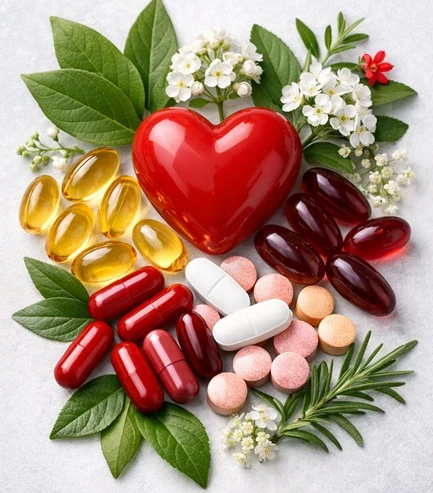
Curious about a multi-ingredient approach to cardiovascular wellness?
Learn More About LifePulse→LifePulse: A Multi-Ingredient Approach to Heart Health
If you're researching supplements for a heart-conscious lifestyle, you may come across LifePulse, a formula marketed around cardiovascular wellness.
Its ingredient profile includes several compounds that have been studied individually in scientific literature, including:
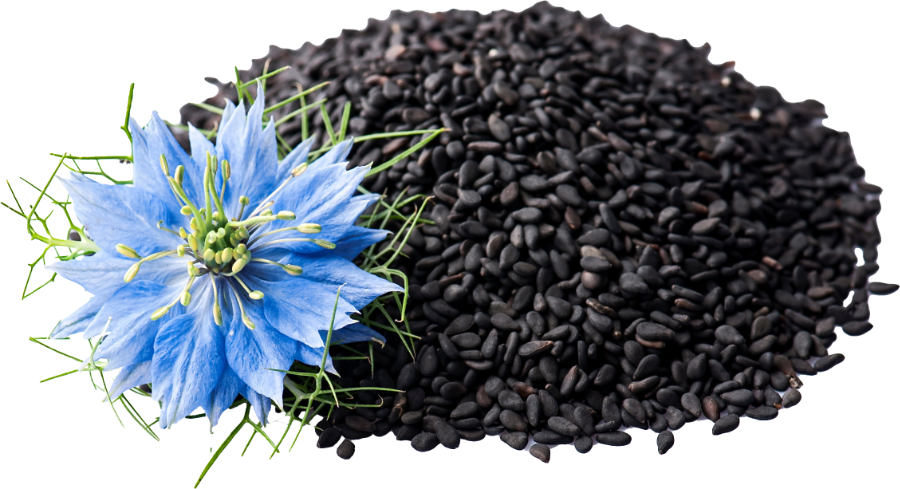
- Black cumin seed (Nigella sativa)
- Coenzyme Q10 (CoQ10)
- Hawthorn berry
- L-arginine
- Olive leaf extract
- Magnesium
- Vitamin B6
These ingredients have different biological roles and different levels of scientific evidence.
For example, black cumin seed has been investigated in human studies involving blood pressure and other cardiometabolic markers. CoQ10, magnesium, hawthorn, olive leaf, and L-arginine have also been studied in various cardiovascular or metabolic contexts.

However, it is important not to overstate what this means.
Research on an individual ingredient does not automatically prove that LifePulse treats hypertension, prevents cardiovascular disease, or produces the same results in every person.
The most responsible way to view a product like LifePulse is as a supplement option to evaluate alongside a healthy diet and lifestyle—not as a replacement for medical care or prescribed treatment.
What makes LifePulse worth investigating?
If you're comparing cardiovascular supplements, you may want to look at:
- Ingredient transparency — Can you clearly see what the product contains?
- Formula design — Does the formula contain ingredients with at least some relevant human research?
- Manufacturer information — Is there clear information about the product and company?
- Usage instructions — Are serving and safety directions easy to understand?
- Realistic expectations — Does the product avoid promising miraculous results?
If LifePulse meets the criteria you're looking for, you can review the official product information before deciding whether it belongs in your wellness routine.
Review LifePulse official product information, ingredients, and current offer details.
Review LifePulse Official Product Information→Don't Make This Common Blood-Pressure Mistake
One of the easiest mistakes is to become so focused on individual ingredients that you overlook the bigger picture.
You don't need to fear every packaged food.
Instead, think in terms of patterns.
A diet built primarily around vegetables, fruits, whole grains, legumes, nuts, seeds, lean proteins, and minimally processed foods is very different from a diet dominated by salty packaged foods, sugary drinks, processed meats, and highly refined snacks.
The goal isn't perfection.
The goal is to make the healthier choice more often.
What About Supplements and Blood Pressure Medication?
This is especially important.
If you take medication for blood pressure, cholesterol, heart disease, kidney disease, or another medical condition, don't stop or change your medication because of something you read online.
Some supplements can interact with medications or may not be appropriate for people with certain medical conditions.
Talk with your doctor, pharmacist, or qualified healthcare professional before starting a new supplement—particularly if you:
- Take prescription medications
- Are pregnant or breastfeeding
- Have kidney or liver disease
- Have diagnosed cardiovascular disease
- Have a history of abnormal blood pressure
- Are preparing for surgery
- Have been advised to restrict sodium, potassium, or phosphorus
The Bottom Line
There are plenty of articles online telling you that one food additive is "destroying your blood pressure."
The reality is more nuanced.
Some ingredients deserve attention, but they don't all have the same evidence behind them.
Excess dietary sodium is one of the clearest dietary factors to address when supporting healthy blood pressure. Artificial trans fats are also an important cardiovascular concern. For ingredients such as MSG, sodium benzoate, phosphate additives, HFCS, and potassium bromate, the evidence and practical implications require more context.
Rather than trying to eliminate every unfamiliar ingredient, focus on the fundamentals:
- Eat more whole and minimally processed foods.
- Watch your sodium intake.
- Limit excessive added sugars and highly processed foods.
- Choose healthier sources of dietary fat.
- Stay physically active.
- Maintain a healthy weight when appropriate.
- And talk with a healthcare professional if you have concerns about your blood pressure.
If you're also considering a supplement, evaluate the formula carefully and look for transparent information rather than exaggerated promises.
For readers interested in exploring a multi-ingredient cardiovascular wellness formula, LifePulse is one option to research further.
See LifePulse official product information and decide whether it fits your heart-conscious routine.
See LifePulse Official Product Information→Frequently Asked Questions
What foods should I avoid for high blood pressure?
There isn't one universal list of foods that everyone with high blood pressure must completely avoid. A more useful strategy is to reduce foods that are consistently high in sodium, added sugars, saturated fats, and highly processed ingredients. Processed meats, salty packaged foods, and many restaurant meals can be significant sources of sodium.
Is sodium the biggest dietary concern for blood pressure?
For many people, sodium is one of the most important dietary factors to consider. Excess sodium can contribute to increased blood pressure, although individual responses vary. Your overall dietary pattern also matters.
Does MSG cause high blood pressure?
MSG contains sodium, but it is not accurate to describe MSG itself as a proven standalone cause of hypertension. Total sodium intake and the overall foods in which MSG appears are more useful considerations.
Is high-fructose corn syrup bad for blood pressure?
HFCS is an added sweetener. The more important concern is frequent consumption of sugar-sweetened beverages and highly processed foods, which can contribute to excessive calorie and sugar intake.
Are trans fats bad for your heart?
Yes. Artificial trans fats are strongly associated with adverse cholesterol changes and cardiovascular risk. Partially hydrogenated oils, a major historical source, have been removed or restricted in many countries.
Should I avoid potassium bromate?
Some consumers choose to avoid potassium bromate because of food-safety and regulatory concerns. Its regulatory status differs between countries. However, it should not be presented as a proven dietary cause of high blood pressure.
Can supplements lower blood pressure?
Some supplements and individual ingredients have been studied for possible effects on blood pressure or cardiovascular markers. However, evidence varies considerably, and supplements should not be assumed to treat hypertension. If you have high blood pressure, speak with a healthcare professional about appropriate treatment.
Is LifePulse a treatment for high blood pressure?
LifePulse should not be presented as a replacement for medical treatment. It is marketed as a cardiovascular wellness supplement, and individual ingredients in its formula have been studied in different health contexts. Review the official product information and discuss supplement use with your healthcare professional if you have a medical condition or take medication.
Sources & Further Reading
For publication, this article should link to authoritative sources and original research rather than relying on affiliate websites or secondary marketing pages.
Recommended source categories include:
- American Heart Association (AHA) — sodium, blood pressure, cardiovascular nutrition
- U.S. Food & Drug Administration (FDA) — food additives, trans fats, ingredient safety and regulatory information
- World Health Organization (WHO) — sodium intake and cardiovascular health
- National Institutes of Health (NIH) — nutrition and supplement information
- Peer-reviewed human clinical trials and systematic reviews — for individual ingredients such as Nigella sativa, CoQ10, magnesium, hawthorn, olive leaf, and L-arginine
Citation note: Add direct links to the specific AHA/FDA/WHO pages and peer-reviewed studies used to support each health-related claim before publication.
Ready to review LifePulse as one option within a broader heart-healthy routine?
Explore LifePulse→