
Have you ever wondered whether the foods you eat regularly could influence how you feel mentally as you get older?
Nutrition is closely connected to overall health, and researchers are increasingly interested in the relationship between diet, brain function, and healthy aging. While no single food can guarantee better memory or protect against cognitive decline, the overall quality of a person's diet may matter.
One area receiving growing attention is the role of processed and ultra-processed foods. These foods can be convenient and enjoyable, but diets that contain large amounts of them may leave less room for vegetables, fruits, whole grains, legumes, nuts, seeds, and other nutrient-rich foods.
So, what does current research actually suggest about processed foods and brain health? And what practical steps can you take to support cognitive wellness through nutrition and lifestyle?
Let's take a closer look.
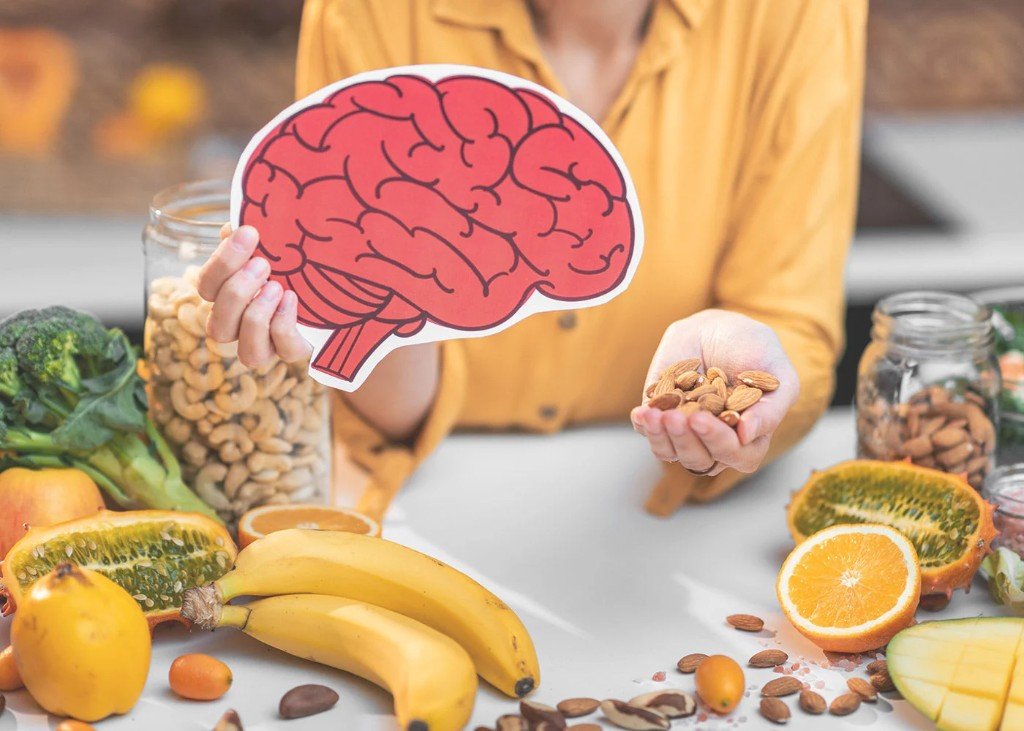
What Are Processed and Ultra-Processed Foods?
"Processed food" is a broad term. Technically, many foods we eat are processed in some way. Washing, freezing, cooking, fermenting, or drying food can all involve processing.
The bigger nutritional discussion often focuses on ultra-processed foods (UPFs). These are generally industrially formulated products containing multiple ingredients and additives and are often designed to be highly convenient, shelf-stable, or ready to eat.
Examples can include some packaged snacks, sugary beverages, confectionery, highly processed meats, instant meals, and certain packaged baked goods.
Not every processed food should be considered unhealthy. For example, frozen vegetables, canned beans, plain yogurt, and minimally processed whole-grain foods can be useful parts of a balanced diet.
The more important question is often what the overall dietary pattern looks like.
Why Might Processed Foods Matter for Brain Health?
The brain requires a steady supply of energy and nutrients to function normally. It also depends on healthy blood vessels, metabolic health, sleep, physical activity, and many other factors.
A diet dominated by highly processed foods may be problematic partly because it can displace more nutrient-dense foods from the diet. Some ultra-processed foods also tend to be high in added sugars, sodium, saturated fat, or calories while providing relatively little fiber and micronutrient variety.
The American Heart Association's current dietary guidance emphasizes a pattern built around vegetables and fruits, whole grains, healthy protein sources, unsaturated fats, and minimally processed foods while limiting ultra-processed foods and added sugars.
This matters because cardiovascular and brain health are closely connected. Factors affecting blood vessel health can also be relevant to healthy cognitive aging.
What Does Current Research Say?
Research into processed foods and cognitive health is growing, but it is important to interpret the evidence carefully.
A recent systematic review examining ultra-processed food intake and cognition in adults found that most of the included studies reported an association between higher ultra-processed food consumption and poorer cognitive outcomes. However, the researchers also noted important differences between studies and highlighted the need for more longitudinal and experimental research to establish clearer cause-and-effect relationships.
Other reviews have similarly reported associations between higher ultra-processed food consumption and cognitive impairment. However, observational research cannot prove that processed foods themselves directly cause cognitive problems. People who eat more ultra-processed foods may also differ in other ways, including physical activity, sleep, overall diet, socioeconomic factors, or existing health conditions.
That distinction is important.
It would be inaccurate to say that eating a particular processed food will cause memory problems. A more evidence-conscious conclusion is that a consistently high intake of ultra-processed foods may be associated with less favorable health outcomes, while diets emphasizing minimally processed, nutrient-rich foods are generally encouraged as part of healthy aging.
The National Institute on Aging also notes that evidence regarding specific diets and cognitive health is promising but not conclusive. Mediterranean-style and MIND-style eating patterns have been associated with cognitive benefits in some research, but results are not uniform.
Curious how nutritional support may complement a whole-foods-focused routine?
Learn More About Youthful Greens Plus→Why Nutrition May Become More Important With Age
Healthy aging involves many interacting factors.
As people get older, maintaining cardiovascular health, metabolic health, muscle strength, sleep quality, and an adequate nutrient intake becomes increasingly important.
The brain is part of this larger picture.
A healthy eating pattern may help provide nutrients needed for normal physiological functions while also supporting broader health factors that are relevant to brain wellness.
The American Heart Association's 2026 scientific statement on brain health emphasizes that brain health is influenced by multiple factors across the lifespan, including diet, physical activity, sleep, psychological health, chronic health conditions, and other environmental and social factors.
In other words, nutrition is important—but it is only one piece of the puzzle.

Common Nutritional Factors to Consider
Instead of focusing on one "bad" food, consider the overall balance of your diet.
1. Too Many Ultra-Processed Foods
Frequent consumption of packaged snacks, sugary drinks, fast foods, and other highly processed products can make it harder to maintain a varied, nutrient-dense diet.
You do not necessarily need to eliminate every processed food. A more realistic approach is to make nutrient-rich foods the foundation of most meals.
2. Not Enough Fruits and Vegetables
Colorful fruits and vegetables provide fiber, vitamins, minerals, and numerous plant compounds.
Aim for variety rather than relying on the same few foods every day.
3. Low Fiber Intake
Fiber is important for digestive health and also interacts with the gut microbiome. Current brain-health research increasingly recognizes the connection between the gut, metabolism, immune signaling, and the brain.
Beans, lentils, vegetables, fruits, whole grains, nuts, and seeds can all contribute fiber.
4. Poor Overall Dietary Variety
The brain needs a broad range of nutrients. Depending on dietary choices, these can include protein, healthy fats, vitamins, minerals, and other naturally occurring compounds found in whole foods.
Rather than searching for one "brain food," it may be more useful to build a varied eating pattern.
Practical Ways to Support Cognitive Wellness
You don't need to completely redesign your diet overnight.
Small changes can be easier to maintain.
Build Meals Around Whole or Minimally Processed Foods
Try making vegetables, fruits, legumes, whole grains, nuts, seeds, and quality protein sources regular parts of your meals.
Choose Water More Often
Sugary beverages can add substantial amounts of added sugar without providing much nutritional value. Water and unsweetened beverages can be simple alternatives.
Add More Plant Foods
Try adding an extra serving of vegetables to lunch or dinner, eating fruit as a snack, or including beans and lentils in meals.
Read Food Labels
When buying packaged foods, look at the ingredient list and nutrition facts. Pay attention to added sugars, sodium, saturated fat, fiber, and overall nutritional value.
Don't Ignore Sleep and Exercise
Nutrition works best as part of a broader healthy lifestyle.
Regular physical activity, adequate sleep, stress management, social connection, and avoiding smoking are also important components of healthy brain aging.

Nutrients and Ingredients That Can Complement a Healthy Diet
A varied diet can provide many nutrients relevant to normal body and brain function.
Depending on individual dietary patterns, foods can provide:
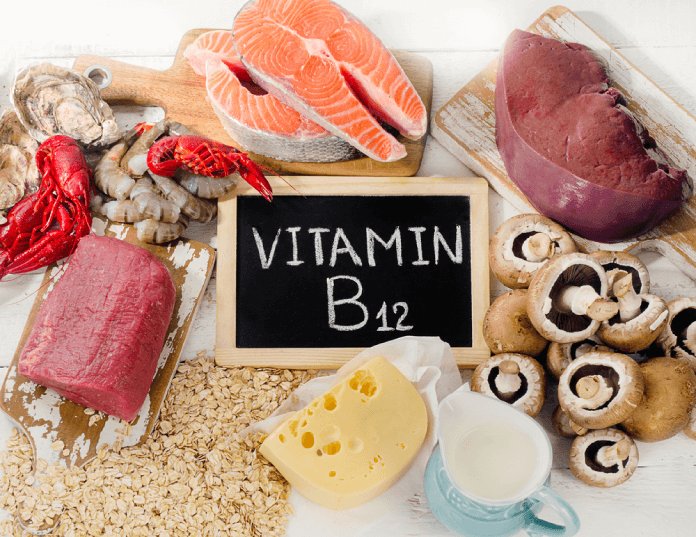
- B vitamins, which are involved in normal energy metabolism and nervous-system functions.
- Magnesium, an essential mineral involved in numerous physiological processes.
- Healthy fats, including unsaturated fats found in foods such as nuts, seeds, fish, and certain plant oils.
- Antioxidant-containing foods, including many colorful fruits and vegetables.
- Fiber, which supports digestive health and contributes to a diverse dietary pattern.
- Plant compounds, naturally found in fruits, vegetables, herbs, spices, and other plant foods.
However, more is not always better. Nutrients should ideally come from a balanced diet, and supplements should be viewed as additions to—not replacements for—a nutritious eating pattern.
The National Institute on Aging currently notes that no vitamin or supplement is recommended specifically for preventing Alzheimer's disease or other forms of cognitive decline.
Review how Youthful Greens Plus may complement a nutrient-focused lifestyle.
Explore Youthful Greens Plus Ingredients→Where Does Youthful Greens Plus Fit In?
For people trying to improve their overall nutritional habits, a greens-focused nutritional supplement such as Youthful Greens Plus may be considered as one potential addition to a broader wellness routine.
The important point is how you use it.
A supplement should not be viewed as a way to cancel out a diet that is consistently high in ultra-processed foods. It also should not be positioned as a treatment for memory problems or a substitute for professional medical care.
Instead, a product such as Youthful Greens Plus can be considered within the bigger picture of nutritional support—alongside vegetables, fruits, whole foods, adequate hydration, physical activity, good sleep, and other healthy habits.
What Does Youthful Greens Plus Contain?
The exact Youthful Greens Plus formula and ingredient amounts were not included in the product information supplied for this article. Because accuracy matters, specific ingredients, dosages, clinical claims, or nutritional benefits should not be added without verified product-label information.
If you are evaluating Youthful Greens Plus, check the current product label for its complete ingredient list, serving size, amounts, and any applicable warnings.
This is especially important if you take medications, have a medical condition, are pregnant or breastfeeding, or have specific nutritional needs. A qualified healthcare professional can help determine whether a supplement is appropriate for you.

How Youthful Greens Plus May Fit Into a Healthy Lifestyle
The most sensible way to think about a greens supplement is as a supporting component, rather than the foundation of a healthy diet.
For example, your broader routine might include:
- Eating a variety of vegetables and fruits
- Choosing whole grains and high-fiber foods
- Including healthy sources of protein
- Choosing unsaturated fats more often
- Limiting frequent consumption of ultra-processed foods
- Staying physically active
- Getting consistent, quality sleep
- Drinking enough fluids
- Managing ongoing stress
- Maintaining regular health checkups
This approach recognizes an important reality: there is no single ingredient, food, or supplement responsible for healthy cognitive aging.
Long-term habits matter more than quick fixes.
Want to check the current Youthful Greens Plus details?
Check the Current Offer→A Balanced Takeaway
The relationship between processed foods and brain health is an area of active research.
Current evidence suggests that diets high in ultra-processed foods are associated with several unfavorable health outcomes, including associations with cognitive outcomes in some observational research. At the same time, researchers are still working to understand exactly how dietary patterns, individual foods, lifestyle factors, and other variables interact over time.
Rather than worrying about one occasional packaged snack or trying to follow a perfect diet, focus on the bigger picture.
Make whole and minimally processed foods the foundation of your meals. Eat a variety of plant foods. Get enough fiber and protein. Stay active. Prioritize sleep. And think of supplements as optional nutritional support rather than replacements for healthy habits.
Most importantly, if you or someone you know experiences persistent, worsening, or concerning changes in memory, thinking, or daily functioning, speak with a qualified healthcare professional. Cognitive changes can have many possible causes and deserve appropriate evaluation.

Want to Learn More About Youthful Greens Plus?
If you're looking for a convenient way to complement an already healthy lifestyle, Youthful Greens Plus may be worth learning more about.
Take a closer look at the product's current formula, ingredients, and directions to decide whether it fits your personal nutrition and wellness goals.
Learn more about Youthful Greens Plus and see how it may fit into your daily wellness routine.
Ready to learn more about Youthful Greens Plus?
Explore Youthful Greens Plus→Supplement disclaimer: This content is for educational and informational purposes only and is not intended to diagnose, treat, cure, or prevent any disease. Dietary supplements should not replace a balanced diet or professional medical advice.