
Have you ever walked into a room and forgotten why you went there? Or reread the same email several times because the information simply isn't sinking in?
For many adults, occasional forgetfulness or difficulty concentrating becomes more noticeable after 40. You may describe it as brain fog—a general feeling of mental tiredness, distraction, forgetfulness, or reduced clarity.
But brain fog isn't a medical diagnosis by itself. It can have many possible contributors, ranging from poor sleep and chronic stress to lifestyle habits, nutrition, medications, and underlying health issues.
The good news is that healthy aging doesn't have to mean giving up on mental sharpness. Research on cognitive health increasingly points toward the importance of everyday habits such as physical activity, nutritious eating, adequate sleep, managing cardiovascular risk factors, and staying mentally engaged.
For people looking for additional nutritional support, supplements may also have a place in a broader wellness routine. One option worth understanding is Youthful Greens Plus.

What Is Brain Fog?
Brain fog is a common way of describing temporary or persistent difficulties with thinking clearly.
Someone experiencing brain fog might notice:
- Difficulty concentrating on one task
- Mental fatigue
- Forgetfulness
- Trouble finding the right word
- Feeling easily distracted
- Difficulty processing information
- Reduced mental energy
- Needing more time to complete familiar tasks
Occasional lapses are normal. However, persistent or worsening changes shouldn't automatically be dismissed as "just getting older."
Cognitive health involves the ability to think, learn, and remember clearly, and it can be influenced by many factors, including lifestyle, environmental factors, physical health, medications, and age-related changes.
Why Can Brain Fog Become More Noticeable After 40?
Turning 40 doesn't suddenly cause cognitive problems. Instead, this stage of life can coincide with changes in sleep, stress levels, activity patterns, diet, and overall health.
Work and family responsibilities can also make it harder to prioritize sleep, exercise, relaxation, and balanced meals.
At the same time, some people become more aware of small changes in concentration or recall simply because their daily responsibilities require sustained attention.
It's also worth remembering that cognitive wellness isn't separate from physical wellness. Factors such as blood pressure, blood sugar, cardiovascular health, mood, sleep, and medication use can all be relevant to brain health.

Common Factors That May Affect Focus and Mental Clarity
1. Poor or Inconsistent Sleep
Sleep is one of the simplest areas to overlook.
A busy schedule, late-night screen use, stress, or an inconsistent sleep routine can leave you feeling mentally drained the following day.
The National Institute on Aging recommends generally getting seven to nine hours of sleep each night as part of supporting overall health and cognitive wellness.
If you regularly wake feeling exhausted despite allowing enough time for sleep, it may be worth discussing the issue with a healthcare professional.
2. Chronic Stress
A demanding job, family responsibilities, financial concerns, or simply having too much to manage can make it difficult to concentrate.
Stress doesn't necessarily mean something is medically wrong, but constantly feeling mentally "switched on" can make it harder to focus on one thing at a time.
Creating periods of quiet, taking regular breaks, practicing relaxation techniques, and maintaining social connections can all be useful components of a healthy lifestyle.
3. Too Much Digital Distraction
The source material for Youthful Greens Plus places considerable emphasis on digital overload, including constant notifications, emails, social media, and multitasking.
The idea that constant information can make it harder to maintain attention is worth considering. However, claims in the promotional material about electromagnetic frequencies, "digital brain drain," or screens directly damaging brain cells should not be treated as established medical facts.
A more practical takeaway is simple: constant interruptions can make sustained attention harder.
Try turning off unnecessary notifications, putting your phone away during focused work, and taking regular screen breaks.
4. Nutritional Gaps
Your brain depends on a steady supply of nutrients to support normal neurological function.
A balanced diet containing vegetables, fruits, whole grains, legumes, nuts, fish or other protein sources can help provide a broad range of nutrients.
Vitamin B12 is one nutrient worth paying attention to. According to the NIH Office of Dietary Supplements, B12 deficiency can be associated with symptoms including fatigue, confusion, poor memory, and neurological problems.
That doesn't mean everyone experiencing brain fog needs a B12 supplement. If deficiency is suspected, appropriate medical evaluation is more useful than guessing.

5. Lack of Physical Activity
Movement isn't only about muscles and cardiovascular fitness.
Research has increasingly explored connections between physical activity and brain health. The National Institute on Aging notes that physical activity may benefit cognitive function and supports healthy aging in multiple ways.
Regular walking, strength training, cycling, swimming, or another activity you enjoy can be a practical way to support both physical and cognitive wellness.
6. Medications and Health Conditions
Sometimes difficulty concentrating has nothing to do with a lack of motivation.
Certain medications can affect memory, sleep, or cognitive function, particularly in older adults. Health conditions involving mood, blood pressure, blood sugar, sleep, or other aspects of physical health may also influence cognitive wellness.
This is one reason persistent brain fog deserves attention rather than simply being blamed on age.
Curious how Youthful Greens Plus fits a cognitive-support routine?
Learn More About Youthful Greens Plus→What Does Current Research Suggest?
There isn't one magic solution for maintaining mental clarity as you age.
Instead, current research points toward a combination of healthy behaviors.
The National Institute on Aging highlights several areas being studied for their relationship with cognitive health, including physical activity, healthy eating, sleep, cognitive engagement, blood-pressure management, and social engagement.
Diet is another important area of research. Mediterranean-style and MIND-style eating patterns have been associated with cognitive benefits in some observational studies, although the evidence is not conclusive and clinical trial results have been more mixed.
This is an important distinction: a healthy diet can support overall wellness, but no individual food or supplement has been established as a guaranteed way to prevent age-related cognitive decline.
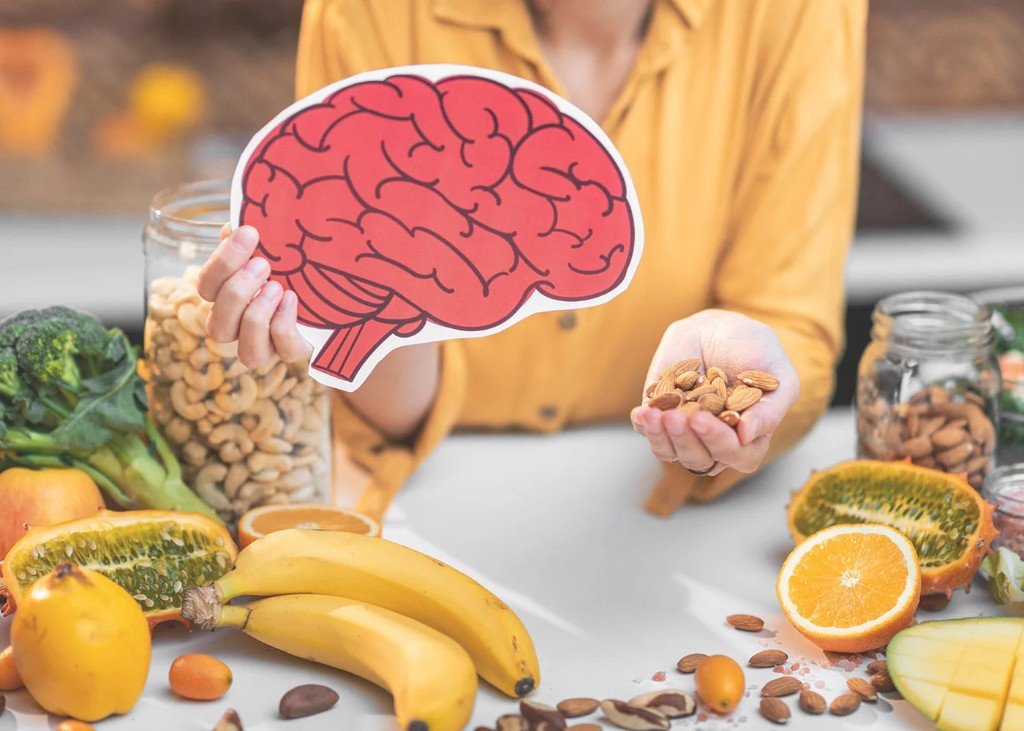
Practical Ways to Support Cognitive Wellness After 40
You don't need to completely redesign your life.
Start with manageable habits:
- Prioritize sleep. Aim for a consistent sleep schedule and adequate nighttime rest.
- Move regularly. Walking is an easy starting point if you're currently inactive.
- Eat a nutrient-dense diet. Focus on vegetables, fruits, whole grains, legumes, nuts, healthy fats, and quality protein sources.
- Stay hydrated. Don't allow a busy schedule to make drinking fluids an afterthought.
- Reduce unnecessary distractions. Silence nonessential notifications and create periods of uninterrupted focus.
- Keep learning. Reading, learning a skill, playing music, doing meaningful work, and engaging socially can keep your mind active.
- Look after cardiovascular health. Blood pressure and other cardiovascular risk factors matter for long-term brain health.
- Review medications with your healthcare professional. Never stop prescribed medication on your own, but discuss possible cognitive or sleep-related side effects if you're concerned.

Nutrients and Ingredients for Brain Health
Several nutrients and plant-derived ingredients are commonly included in formulas designed to support cognitive wellness.
The supplied Youthful Greens Plus information identifies several ingredients in its formula, including vitamin B12, Bacopa herb extract, Ginkgo leaf extract, phosphatidylserine, and Huperzine A.
Vitamin B12
Vitamin B12 is an essential nutrient involved in normal nervous-system function and red blood cell formation.
Adequate B12 is particularly relevant because a deficiency can be associated with neurological symptoms and cognitive problems.
Bacopa Herb Extract
Bacopa is a botanical ingredient traditionally associated with cognitive wellness and is commonly found in supplements marketed for memory and learning.
However, the existence of traditional use or preliminary research doesn't automatically mean a supplement will produce a specific result in every person.
Ginkgo Leaf Extract
Ginkgo leaf extract is another botanical commonly used in cognitive-support products.
The supplied product information describes it as an ingredient intended to support circulation and cognitive function.
Research into ginkgo and cognition has produced mixed findings, so it is best viewed as a potential supportive ingredient rather than a guaranteed solution.
Phosphatidylserine
Phosphatidylserine is a naturally occurring phospholipid found in cell membranes.
The Youthful Greens Plus material includes it as part of the formula and describes it in relation to healthy brain-cell communication and cognitive performance.
Huperzine A
Huperzine A is a compound derived from Chinese club moss and is included in the supplied Youthful Greens Plus information as another cognitive-support ingredient.
Because botanical and concentrated compounds can interact with medications or may not be appropriate for everyone, it's sensible to check with a qualified healthcare professional before starting a new supplement.
Review the current Youthful Greens Plus formula and product details.
Explore Youthful Greens Plus Ingredients→What Is Youthful Greens Plus?
Youthful Greens Plus is presented in the supplied product information as a nature-based nutritional supplement intended to support mental clarity, focus, memory, energy, and overall wellness.
According to the product information, its formula includes:
- Vitamin B12
- Bacopa herb extract
- Ginkgo leaf extract
- Phosphatidylserine
- Huperzine A
The supplied material also describes the product as natural, non-GMO, and gluten-free, and states that it is formulated in the United States.
Importantly, a supplement should be considered nutritional support, not a replacement for sleep, exercise, a balanced diet, medical evaluation, or treatment when needed.

How Could Youthful Greens Plus Fit Into a Healthy Lifestyle?
Think of a supplement as one piece of a larger picture.
For example, someone interested in supporting mental clarity might combine a nutrient-dense diet with regular physical activity, adequate sleep, periods of focused work without digital interruptions, meaningful mental activities, and appropriate nutritional supplementation.
Youthful Greens Plus may fit into that routine as an additional source of selected nutrients and botanical ingredients.
The goal shouldn't be to look for a product that promises to "fix" brain fog overnight. A more realistic approach is to build sustainable habits that support your overall health and use supplements, when appropriate, to complement—not replace—those habits.
Want to see the current Youthful Greens Plus offer details?
Check the Current Offer→When Should You Talk With a Healthcare Professional?
Occasional forgetfulness is common. But persistent, worsening, or concerning cognitive changes deserve professional attention.
If difficulty concentrating or remembering things begins interfering with work, relationships, daily responsibilities, or independence, speak with a qualified healthcare professional.
It's especially important to discuss symptoms that appear suddenly, progress noticeably, or occur alongside other neurological or physical changes.
A healthcare professional can help determine whether sleep problems, nutritional deficiencies, medication effects, mood, or another underlying issue may be contributing.

The Bottom Line
Brain fog after 40 isn't necessarily something you simply have to accept.
Mental clarity can be influenced by many factors, including sleep, stress, physical activity, diet, medications, cardiovascular health, and other aspects of overall wellness.
Research supports taking a broad approach to cognitive health rather than relying on one food, ingredient, or supplement.
Youthful Greens Plus provides a combination of vitamin B12 and selected botanical and nutritional ingredients, including Bacopa, Ginkgo, phosphatidylserine, and Huperzine A, according to the supplied product information.
It may be worth considering as part of a broader healthy-aging routine, provided it is appropriate for your individual circumstances.
If you're interested in learning more, take a closer look at Youthful Greens Plus and its ingredients to see whether this type of nutritional support fits your approach to maintaining mental clarity and overall wellness as you age.
Ready to learn more about Youthful Greens Plus?
Explore Youthful Greens Plus→Supplement disclaimer: This content is for educational and informational purposes only and is not intended to diagnose, treat, cure, or prevent any disease. Dietary supplements should not replace a balanced diet or professional medical advice.