
Have you ever walked into a room and forgotten why you went there? Or struggled to remember someone's name even though you know you’ve met them before?
Occasional forgetfulness can happen at any age, and it may become more noticeable as we get older. But that doesn't necessarily mean something is wrong.
Forgetfulness with age can be a normal part of getting older, particularly when it involves occasional lapses such as misplacing an item, forgetting a name temporarily, or needing a little longer to recall information.
At the same time, significant or progressively worsening changes in memory shouldn't simply be dismissed as “just aging.” Understanding the difference between common age-related changes and more concerning symptoms is an important part of healthy aging.
Fortunately, there are several practical ways to support cognitive wellness, including getting adequate sleep, staying physically active, managing stress, eating a balanced diet, and paying attention to the nutrients your brain needs.

Is Forgetfulness Normal With Age?
Some changes in memory and thinking can occur naturally as we age.
The brain continues to function throughout adulthood, but certain mental processes may become a little slower. You might need more time to learn unfamiliar information, recall a person's name, or switch between different tasks.
For example, you may:
- Occasionally forget someone's name but remember it later
- Misplace your keys or phone from time to time
- Need reminders for appointments
- Take longer to remember a specific word
- Find it harder to concentrate when you're tired or distracted
- Need to write down information that you previously remembered easily
These occasional lapses don't automatically indicate a serious cognitive problem.
The important factor is how frequent, severe, and disruptive the changes are.
Why Can Memory Change As We Age?
Memory isn't a single process. It involves attention, learning, storing information, and retrieving it when needed.
As we get older, several factors can influence these processes.
One is simply the natural aging of the brain. But lifestyle and environmental factors can also affect how clearly we think and how well we concentrate.
For instance, poor sleep can make it harder to focus and remember information. Chronic stress can also interfere with attention and mental performance.
Nutrition matters as well because the brain requires a steady supply of energy and nutrients to maintain normal function.
This is why healthy aging isn't simply about “having a good memory.” It's about supporting overall cognitive wellness throughout life.

Memory, Focus and Mental Clarity Are Connected
Sometimes what feels like a memory problem may actually begin with attention.
Imagine someone tells you their phone number while you're distracted by a television, phone notifications, or another conversation. If you weren't fully paying attention in the first place, your brain may never properly encode the information.
Later, it can feel like you've forgotten something.
This is one reason focus and memory support often go hand in hand.
Modern life can make sustained attention particularly challenging. Constant notifications, emails, social media, multitasking, and long periods of screen use can create a mentally demanding environment.
That doesn't mean screens are inherently harmful to the brain. Rather, regularly taking breaks and creating periods of uninterrupted focus may help support better attention and mental freshness.
Curious how nutritional support may fit a healthy-aging routine?
Learn More About Youthful Greens Plus→When Should Forgetfulness Be Taken More Seriously?
Occasional forgetfulness is different from cognitive changes that interfere with everyday life.
It's worth speaking with a qualified healthcare professional if memory or thinking changes are:
- Becoming noticeably more frequent
- Getting progressively worse
- Interfering with work or everyday responsibilities
- Making familiar tasks unusually difficult
- Causing confusion about familiar places or situations
- Accompanied by significant changes in behavior or personality
- Creating problems with managing medications, finances, or important appointments
There can be many reasons for changes in memory and concentration, including sleep problems, medication effects, nutritional deficiencies, stress, mood-related issues, and medical conditions.
That's why persistent or concerning cognitive changes deserve professional evaluation rather than being automatically attributed to normal aging.

Lifestyle Factors That Can Influence Cognitive Wellness
While nobody can completely stop the aging process, everyday habits can play an important role in supporting brain health.
1. Prioritize Quality Sleep
Sleep is an important part of overall health and cognitive function.
Consistently getting enough quality sleep may help support attention, learning, mood, and memory.
Creating a regular sleep schedule, limiting stimulating activities before bed, and keeping your bedroom comfortable can all contribute to better sleep habits.
2. Stay Physically Active
Regular physical activity supports overall cardiovascular and metabolic health, which are closely connected to brain wellness.
You don't necessarily need an intense workout routine. Walking, cycling, swimming, strength exercises, or other activities you enjoy can be practical ways to stay active.
The key is consistency.
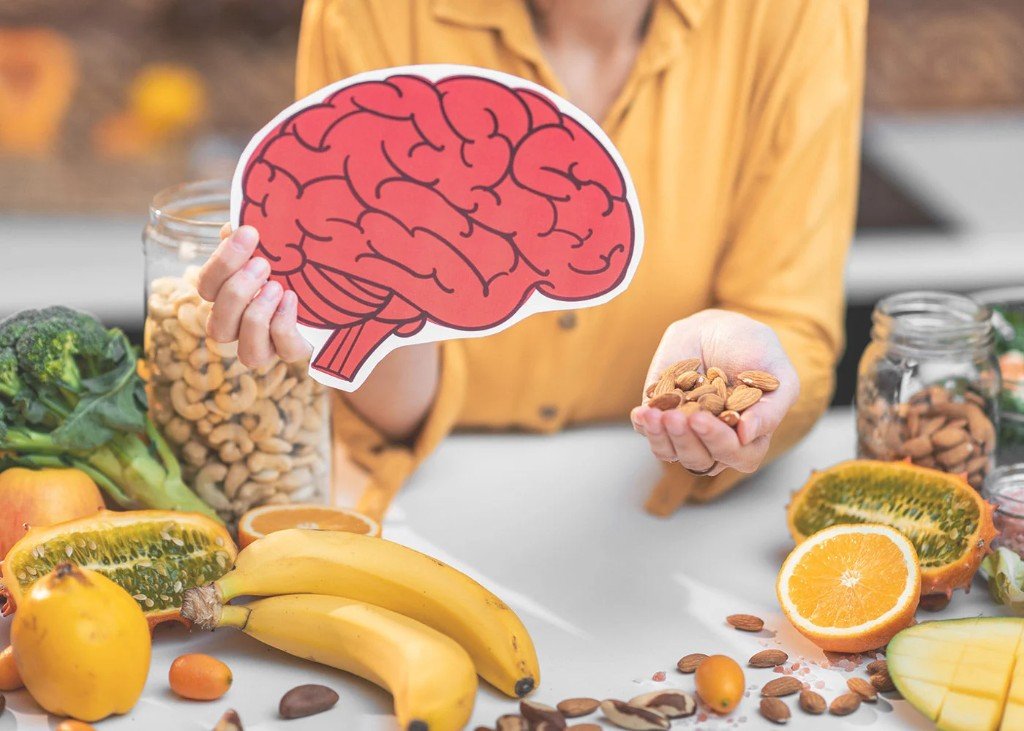
3. Eat a Nutrient-Dense Diet
Your brain needs energy and nutrients to function normally.
A balanced diet that includes vegetables, fruits, whole grains, legumes, healthy fats, and adequate protein can help provide a broad range of nutrients.
Rather than focusing on one “superfood,” think about your overall dietary pattern.
4. Manage Mental Stress
Long periods of stress can leave you feeling mentally exhausted and distracted.
Simple strategies such as spending time outdoors, practicing relaxation techniques, maintaining social connections, pursuing hobbies, and taking regular breaks may help create a healthier balance.
5. Reduce Unnecessary Digital Distractions
Technology is an important part of modern life, but constant notifications can make concentration more difficult.
Consider turning off unnecessary alerts, taking regular screen breaks, and giving yourself periods during the day when you can focus on one activity without interruptions.
6. Keep Your Mind Engaged
Learning something new, reading, playing music, having conversations, pursuing hobbies, and challenging yourself intellectually can all help keep your mind engaged.
The goal isn't to “exercise away” aging. Instead, lifelong learning can be one enjoyable component of an overall healthy lifestyle.

Nutrients That Are Relevant to Brain Wellness
Nutrition is another area worth considering when thinking about healthy cognitive aging.
Several nutrients and plant compounds have been studied for their potential relationship with normal brain function.
Vitamin B12
Vitamin B12 plays important roles in the nervous system and normal red blood cell formation.
Adequate B12 intake is particularly important because low levels can be associated with neurological and cognitive symptoms.
People with dietary restrictions, absorption problems, or certain medical conditions may be at greater risk of deficiency, making professional guidance important when supplementation is being considered.

Bacopa
Bacopa is a traditional botanical that has been studied for its potential relationship with memory and cognitive performance.
Research is ongoing, and evidence shouldn't be interpreted as proof that Bacopa can prevent or treat neurological diseases.
Ginkgo Leaf Extract
Ginkgo biloba has a long history of use and has been investigated for various aspects of cognitive health.
However, research findings have been mixed, and it should not be viewed as a treatment for dementia or other medical conditions.
Phosphatidylserine
Phosphatidylserine is a naturally occurring phospholipid found in cell membranes, including those of brain cells.
It has been studied in relation to cognitive function and memory, although the strength of evidence varies depending on the population and outcome being studied.
Huperzine A
Huperzine A is a compound derived from Chinese club moss and has been investigated for its effects on cognitive processes.
Because it can interact with certain biological pathways and medications, people considering products containing Huperzine A should discuss them with a healthcare professional, particularly if they take prescription medicines.
Review how Youthful Greens Plus combines these nutritional ingredients.
Explore Youthful Greens Plus Ingredients→Could a Nutritional Supplement Fit Into a Healthy Aging Routine?
For some adults, a nutritional supplement can be a convenient way to complement a balanced diet.
However, supplements should be viewed as supportive—not as substitutes for nutritious food, regular activity, good sleep, or appropriate medical care.
One option designed around cognitive and overall wellness is Youthful Greens Plus.
According to the supplied product information, Youthful Greens Plus is formulated with a combination of nutrients and botanical ingredients intended to support mental clarity, focus, memory, energy, and general wellness.
The listed ingredients include:
- Vitamin B12
- Bacopa Herb Extract
- Ginkgo Leaf Extract
- Phosphatidylserine
- Huperzine A
The product information describes these ingredients in the context of cognitive and nutritional support. However, it's important to keep expectations realistic: the presence of an ingredient in a supplement doesn't guarantee a particular outcome for every person.
Individual responses can vary, and evidence for individual ingredients can differ considerably.

How Youthful Greens Plus May Fit Into a Healthy Lifestyle
If you're interested in supporting cognitive wellness as you age, Youthful Greens Plus may be considered as one part of a broader healthy-aging routine.
That routine could include a nutrient-rich diet, regular movement, adequate sleep, stress management, social interaction, mental stimulation, and appropriate healthcare.
This approach is more practical than looking for a single product or ingredient to solve every aspect of cognitive aging.
It's also worth checking the ingredient list carefully if you're already taking supplements or medications. Certain ingredients may not be appropriate for everyone, and a healthcare professional can help determine whether a particular formula fits your individual circumstances.
Want to check the current Youthful Greens Plus details?
Check the Current Offer→The Bigger Picture: Healthy Aging Is About More Than Memory
It's natural to become concerned when you notice that your memory isn't quite as quick as it once was.
But forgetfulness with age doesn't automatically mean that something is seriously wrong.
Occasional lapses can happen as part of normal aging, while more persistent or disruptive changes deserve professional attention.
The most useful approach is to look at the bigger picture: sleep, physical activity, nutrition, stress, social connection, mental stimulation, and other aspects of daily health can all contribute to how you feel and function.
Nutrition can be another piece of that puzzle. Ingredients such as vitamin B12, Bacopa, Ginkgo, phosphatidylserine, and Huperzine A have been explored in connection with cognitive wellness, although the evidence and potential effects vary.
Final Thoughts
Getting older doesn't mean you have to stop caring about your memory, focus, or mental clarity.
Instead of worrying about every forgotten name or misplaced object, pay attention to patterns. Occasional forgetfulness can be normal, but noticeable changes that interfere with everyday life should be discussed with a qualified healthcare professional.
For those looking for additional nutritional support, Youthful Greens Plus is one option to explore alongside healthy lifestyle habits. Its formula combines several nutrients and botanical ingredients associated with cognitive and overall wellness.
Interested in learning more about the ingredients and formulation? Explore Youthful Greens Plus and see whether it fits your approach to healthy aging.
Ready to learn more about Youthful Greens Plus?
Explore Youthful Greens Plus→Supplement disclaimer: This content is for educational and informational purposes only and is not intended to diagnose, treat, cure, or prevent any disease. Dietary supplements should not replace a balanced diet or professional medical advice.