
As we get older, it is natural to notice changes in memory, concentration, energy, and the ability to process information quickly. But healthy aging is not simply about accepting every cognitive change as inevitable. Sleep, physical activity, nutrition, stress, social connection, and other lifestyle factors can all influence how well the brain functions over time.
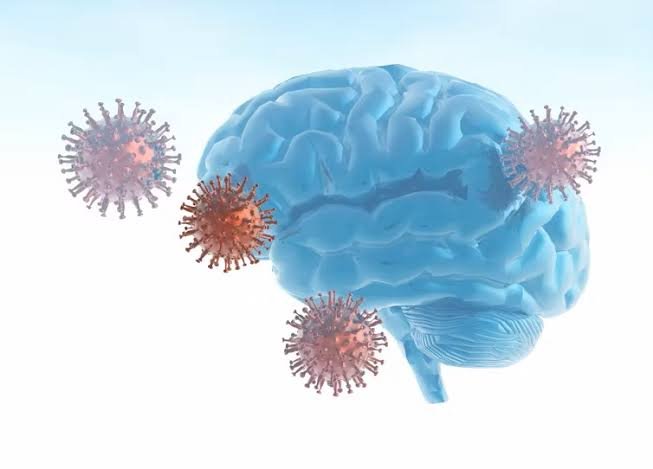
One area that has attracted increasing attention is brain inflammation, sometimes referred to as neuroinflammation. While inflammation is an important part of the body's defense system, prolonged or excessive inflammatory activity in the nervous system may affect brain function.
The source material also highlights how major disruptions to daily life—including prolonged stress, reduced physical activity, changes in sleep, and social isolation during the COVID-19 pandemic—may have affected cognitive well-being. Although researchers are still studying the long-term consequences, the broader lesson is important: supporting brain health requires attention to the whole person, not just one symptom.

What Is Brain Inflammation?
Inflammation is part of the body's natural immune response. When the body detects injury, infection, or another threat, inflammatory processes help protect tissues and begin the recovery process.
The brain has its own specialized immune cells called microglia. These cells help maintain the brain's environment, remove cellular debris, and respond to potential threats.
Microglia can change their activity in response to injury, infection, and other forms of stress. This response can be helpful when it is appropriately controlled. However, prolonged inflammatory activity may interfere with normal cellular processes.
Researchers have therefore become interested in the relationship between neuroinflammation and symptoms such as fatigue, changes in mood, difficulty concentrating, and cognitive problems.
Importantly, experiencing occasional forgetfulness or "brain fog" does not automatically mean that someone has brain inflammation. Many different factors—including inadequate sleep, medications, stress, depression, nutritional deficiencies, and normal aging—can affect cognitive performance.

How Does Brain Inflammation Relate to Healthy Aging?
Healthy aging involves maintaining physical function, emotional well-being, independence, and cognitive abilities for as long as possible.
The brain does not operate separately from the rest of the body. Physical activity, cardiovascular health, metabolic health, sleep, nutrition, and stress management can all influence the conditions in which the brain functions.
The source material emphasizes the possibility that prolonged stress and social isolation can contribute to an unfavorable environment for brain health. It also discusses research examining whether pandemic-related lifestyle disruptions were associated with markers of neuroinflammation.
These findings are interesting, but they should be interpreted carefully. Research into pandemic-related changes in brain health is still developing, and a finding associated with inflammation does not establish that isolation permanently damaged everyone's brain or that it caused Alzheimer's disease.
For adults over 40, the practical takeaway is more straightforward: many of the habits that support healthy aging also support long-term brain health.
Curious how Defeating Pandemic Brain frames lifestyle support for healthy aging?
Learn More About Defeating Pandemic Brain→What Does the Source Material Suggest?
The source material focuses on several factors that may influence cognitive well-being, particularly during periods of prolonged stress or lifestyle disruption.
Stress and the brain
Persistent stress can affect sleep, mood, energy, and daily behavior. When stress becomes chronic, it may become harder to exercise regularly, eat well, maintain social relationships, or get sufficient restorative sleep.
This can create a cycle in which several aspects of health begin influencing one another.
Social connection
Humans are naturally social. Extended periods of loneliness or reduced social interaction can affect emotional well-being and may also influence cognitive health.
Maintaining meaningful relationships—whether through family, friendships, community activities, volunteering, or regular conversations—can therefore be an important part of a healthy-aging routine.
Microglia and neuroinflammation
The source describes microglia as the brain's resident immune cells. Their role is more complicated than simply being an "on" or "off" switch. They perform essential maintenance functions and respond to changes in the brain's environment.
Research continues to investigate how chronic inflammatory signaling may interact with processes involved in aging and neurodegenerative conditions.

Brain Health and the Pandemic: What Should We Take From It?
The COVID-19 pandemic changed everyday routines for millions of people. Physical activity decreased for many individuals, work patterns changed, social interactions were disrupted, and stress and uncertainty became part of daily life.
The source material refers to brain-imaging research that investigated changes associated with pandemic-related societal and lifestyle disruptions. Such research is valuable because it encourages scientists to look beyond the direct effects of infection and consider how major environmental and behavioral changes may influence health.
However, it is important not to turn these findings into definitive claims that the pandemic caused widespread permanent brain damage.
A better interpretation is that the experience highlighted how closely brain health is connected to sleep, movement, social connection, emotional health, and daily routines.
Those are areas individuals can work on today.
Practical Ways to Support Healthy Brain Aging
There is no single habit that guarantees lifelong cognitive health. A more realistic approach is to build several supportive habits into everyday life.
1. Stay physically active
Movement is one of the most consistently discussed components of healthy aging.
You do not necessarily need an intense workout program. Walking, cycling, swimming, strength training, mobility exercises, or other enjoyable activities can help you remain physically active.
For adults who have been inactive, starting gradually can make the habit easier to maintain.
2. Prioritize quality sleep
Sleep is essential for physical and cognitive health. Poor sleep can leave you feeling mentally slower, less focused, and more fatigued during the day.
Maintaining a consistent sleep schedule, creating a relaxing evening routine, and addressing persistent sleep problems can all be worthwhile steps.
If you regularly experience significant insomnia, loud snoring, breathing interruptions during sleep, or severe daytime sleepiness, discussing these symptoms with a healthcare professional is important.
3. Manage chronic stress
Stress cannot always be eliminated, but your response to it can sometimes be improved.
The source material recommends practices such as brief meditation and other mind-body approaches. Even a few quiet minutes spent breathing slowly, stretching, journaling, or taking a relaxing walk may provide a useful transition away from a stressful day.
4. Maintain meaningful social connections
Make social interaction part of your health routine.
Call a friend, spend time with family, join a community group, participate in a class, volunteer, or simply make regular plans with people you enjoy being around.
Social engagement is not just entertainment—it can provide emotional stimulation, conversation, novelty, and a sense of purpose.
5. Keep your brain engaged
The source material discusses brain games and working-memory exercises. Cognitive activities can certainly be enjoyable, but consumers should be cautious about products that promise dramatic improvements in memory or protection from dementia.
Instead, consider a variety of mentally stimulating activities: reading, learning a new skill, playing an instrument, doing puzzles, writing, cooking a new recipe, or engaging in challenging conversations.
Variety and continued learning may be more useful than relying on a single "brain-training" activity.
6. Eat a balanced diet and limit excessive added sugar
The source places particular emphasis on reducing added sugar and choosing foods that support overall health.
Rather than eliminating every sweet food, focus on dietary patterns that include vegetables, fruits, whole grains, legumes, nuts, seeds, and other nutrient-dense foods while limiting excessive amounts of highly processed foods and added sugars.
A balanced approach is generally more sustainable than extreme dietary restrictions.
7. Practice gratitude and positive habits
The source material includes gratitude and smiling among its "seven pillars" of brain health.
While these practices should not be presented as treatments for neurological conditions, cultivating positive experiences and maintaining a sense of gratitude may contribute to emotional well-being.
Simple habits such as writing down a few things you appreciate, spending time outdoors, listening to music, or connecting with people you care about can make healthy routines more enjoyable.
Review the Defeating Pandemic Brain offer and current details.
View Defeating Pandemic Brain Offer→The Role of Defeating Pandemic Brain
Defeating Pandemic Brain is presented in the source material as a lifestyle-focused educational program built around seven areas of brain health: gratitude and positive habits, physical activity, cognitive activities, music, mind-body practices, journaling, and reducing added sugar while emphasizing healthier foods.
The product is positioned as a way to organize these lifestyle practices into a structured program rather than relying on a single intervention.
Because the source material does not provide a complete ingredient list for a dietary supplement, there are no supplement ingredients or dosages to evaluate here. It is also important to distinguish an educational lifestyle program from medical treatment.
A book or wellness program should not be considered a substitute for professional evaluation when someone is experiencing persistent or worsening memory problems, major changes in mood, confusion, or difficulties managing everyday activities.
For someone interested in healthy aging, the value of a structured program may simply be that it provides a framework for turning broad health principles into consistent daily habits.

Want to check the current Defeating Pandemic Brain details?
Check the Current Offer→Key Takeaways
- Brain inflammation, or neuroinflammation, is an active area of scientific research and may play a role in several processes related to brain health.
- The brain's immune cells, including microglia, help protect and maintain the nervous system but can also participate in inflammatory responses.
- Stress, poor sleep, inactivity, and social isolation can affect overall well-being and may indirectly influence cognitive health.
- Healthy brain aging is best approached through multiple habits, including regular movement, quality sleep, social connection, stress management, mental stimulation, and balanced nutrition.
- Limiting excessive added sugar while emphasizing nutrient-dense foods can be part of a broader healthy-aging strategy.
- Persistent or worsening cognitive symptoms deserve professional medical evaluation rather than being automatically attributed to aging or "brain inflammation."
Frequently Asked Questions
What is neuroinflammation?
Neuroinflammation refers to inflammatory activity within the nervous system. It involves immune cells and signaling molecules that help the brain respond to threats or injury. Researchers are studying how prolonged inflammatory activity may relate to brain function and neurological disease.
Does brain inflammation cause memory loss?
Not necessarily. Brain inflammation has been associated with various neurological processes, but memory problems can have many causes, including inadequate sleep, stress, depression, medications, nutritional issues, neurological conditions, and normal aging. A healthcare professional can help determine the underlying cause of persistent symptoms.
Can lifestyle habits support brain health?
Yes. Regular physical activity, adequate sleep, social engagement, stress management, cognitive stimulation, and a balanced diet are all important components of overall health and can support healthy brain aging.
Can reducing sugar help brain health?
Reducing excessive added sugar can be part of a balanced eating pattern. The source material highlights research linking high-sugar dietary patterns with inflammation and cognitive effects, although much of the specific evidence cited is preclinical or observational. Reducing added sugar should be viewed as one part of an overall healthy diet rather than a standalone treatment.
Is brain inflammation the same as Alzheimer's disease?
No. Neuroinflammation and Alzheimer's disease are not the same thing. Inflammation is one area researchers are investigating in relation to Alzheimer's and other neurological conditions. Having inflammation does not mean that a person has Alzheimer's disease or will necessarily develop it.
Conclusion
Brain health is an important part of healthy aging, but protecting it does not have to involve complicated routines or dramatic promises.
The discussion around brain inflammation offers an important reminder that the brain is influenced by the environment in which the rest of the body operates. Sleep, movement, nutrition, stress, social connection, and mental stimulation all contribute to that environment.
The pandemic also demonstrated how quickly these elements can change when normal routines are disrupted. While researchers continue to investigate the long-term effects of those changes, there is no need to wait for every question to be answered before adopting supportive habits.
For adults over 40, a practical approach is to focus on the fundamentals: move regularly, sleep well, stay socially connected, challenge your mind, manage stress, and eat a balanced diet with limited excess added sugar.
Programs such as Defeating Pandemic Brain may provide one structured framework for putting some of these ideas into practice, but healthy aging is ultimately a long-term process rather than a quick fix. And when memory or cognitive changes become persistent, noticeable, or disruptive, professional medical advice is the right next step.
Ready to learn more about Defeating Pandemic Brain?
Explore Defeating Pandemic Brain→Disclaimer: This content is for educational and informational purposes only and is not intended to diagnose, treat, cure, or prevent any disease. It is not a substitute for professional medical advice.