
There is a point when taking care of your health starts to feel less like something you will “get around to someday” and more like something worth paying attention to now. For many adults over 40, that shift leads to questions about nutrition, exercise, sleep, stress, healthy blood pressure, and supplements—and products such as LifePulse enter the conversation.
Maybe it happens when you notice that your energy isn't quite what it used to be. Maybe you start reading food labels more carefully. Or perhaps a routine health check simply makes you more interested in what you can do every day to support your cardiovascular wellness.
LifePulse is positioned as a nutritional supplement focused on cardiovascular wellness and contains a combination of seven featured ingredients: black cumin seed (Nigella sativa), CoQ10, hawthorn berry, L-arginine, olive leaf extract, magnesium, and vitamin B6.
But what does that actually mean? Are these ingredients supported by research? How is the formula supposed to work? And is a supplement like LifePulse a reasonable addition to a broader healthy-aging routine?
This review takes a closer look without treating marketing claims as medical facts.
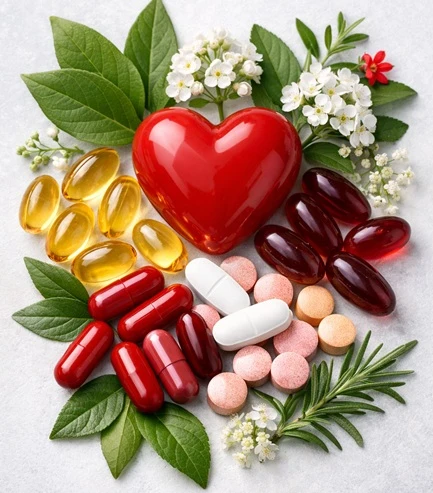
Quick Takeaway
- LifePulse combines seven ingredients that have been studied in connection with nutrition, antioxidant activity, cardiovascular function, or related areas of wellness.
- The formula includes black cumin seed, CoQ10, hawthorn berry, L-arginine, olive leaf extract, magnesium, and vitamin B6.
- Some ingredients have human research behind them, while evidence for others is more limited or context-dependent.
- A supplement should be viewed as a potential complement to healthy lifestyle habits—not a replacement for medical treatment or prescribed medication.
- Anyone taking medication or managing a medical condition should discuss the formula with a qualified healthcare professional before using it.
Want to review the current LifePulse formula and official product details?
Explore the LifePulse Formula→What Is LifePulse?
LifePulse is a dietary supplement formulated around a combination of botanical ingredients, nutrients, and compounds associated with cardiovascular wellness.
Rather than relying on a single ingredient, the formula brings together seven featured components:
- Black cumin seed (Nigella sativa)
- Coenzyme Q10 (CoQ10)
- Hawthorn berry
- L-arginine
- Olive leaf extract
- Magnesium
- Vitamin B6
The basic idea behind a multi-ingredient formula is straightforward: different nutrients and plant compounds can have different biological roles.
However, that does not automatically mean that combining them produces a clinically proven synergistic effect. That's an important distinction when evaluating any supplement.
The right question isn't simply, “Does this ingredient sound good?” It's: What does the evidence actually tell us, and how does that information apply to the finished product?
LifePulse Ingredients at a Glance
| Ingredient | What It Is | Heart-Health Interest | Key Consideration |
|---|---|---|---|
| Black cumin seed | Seed from Nigella sativa | Studied for antioxidant and cardiovascular-related effects | Human evidence varies |
| CoQ10 | Naturally occurring compound involved in cellular energy production | Frequently researched in cardiovascular and energy-related contexts | Evidence depends on the specific health outcome |
| Hawthorn berry | Botanical traditionally used in herbal preparations | Traditionally associated with cardiovascular wellness | Can interact with some medications |
| L-arginine | Amino acid involved in nitric oxide pathways | Studied in relation to blood-vessel function | Not appropriate for everyone |
| Olive leaf extract | Extract from olive leaves | Contains plant compounds with antioxidant properties | Research does not establish every marketed claim |
| Magnesium | Essential mineral | Important for normal muscle, nerve, and metabolic function | Needs vary by individual |
| Vitamin B6 | Essential B vitamin | Involved in numerous metabolic processes | More is not necessarily better |
For a deeper nutrient-by-nutrient breakdown, see our guide to 7 nutrients for heart health.
1. Black Cumin Seed (Nigella sativa)
Black cumin seed is one of the more distinctive ingredients in the LifePulse formula. Also known as Nigella sativa, black cumin is a flowering plant whose seeds have a long history of traditional use in various cultures.
One compound that receives considerable scientific interest is thymoquinone, a naturally occurring constituent of black cumin seed. Research has explored black cumin and its compounds for antioxidant, inflammatory, metabolic, and cardiovascular-related effects.
But there is an important caveat. Research on an ingredient does not automatically prove that a particular supplement containing that ingredient will produce the same result. Factors such as preparation, concentration, dosage, study population, duration, and the health outcome being measured can all matter.
What does the research suggest?
The evidence surrounding Nigella sativa is interesting but should be interpreted carefully. Some human research has investigated potential effects involving measures relevant to cardiovascular and metabolic health. Other research has been conducted in animals or laboratory settings.
That means black cumin seed is a promising area of research, but it should not be described as a treatment or cure for cardiovascular disease.
Read more in our article on black cumin seed and heart health.
2. CoQ10
Coenzyme Q10, commonly called CoQ10, is a naturally occurring compound found throughout the body. It plays an important role in cellular energy production, particularly within mitochondria.
Because the heart is a highly active muscle with substantial energy requirements, CoQ10 has attracted considerable interest in cardiovascular research. You may also encounter CoQ10 in discussions about healthy aging and energy metabolism.
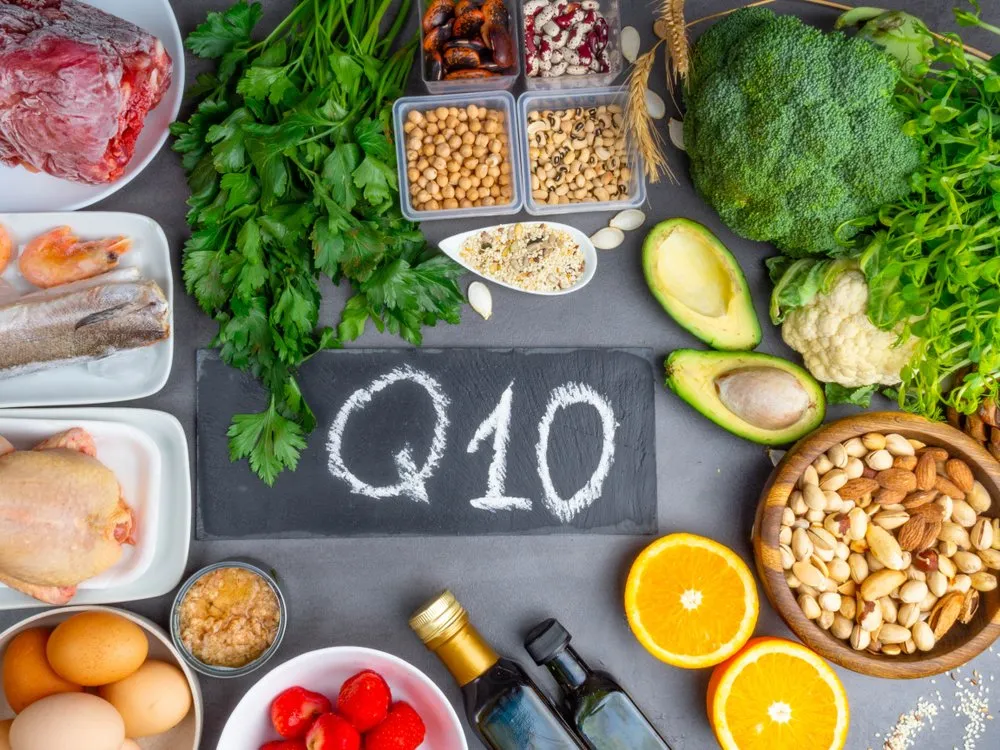
Why is CoQ10 included in LifePulse?
Its inclusion fits the broader nutritional strategy of providing compounds associated with normal cellular energy processes and cardiovascular wellness.
However, the evidence for CoQ10 varies depending on what specific outcome researchers are studying. So it's better to think of CoQ10 as a nutritionally relevant compound with an extensive research history, rather than assuming that supplementation guarantees a particular cardiovascular outcome.
3. Hawthorn Berry
Hawthorn is a botanical used traditionally in herbal preparations, particularly those associated with cardiovascular wellness. The plant contains naturally occurring compounds such as flavonoids and other polyphenolic constituents.
Historically, hawthorn has been used in herbal medicine for various heart-related purposes. Modern research has investigated hawthorn in different cardiovascular contexts as well.
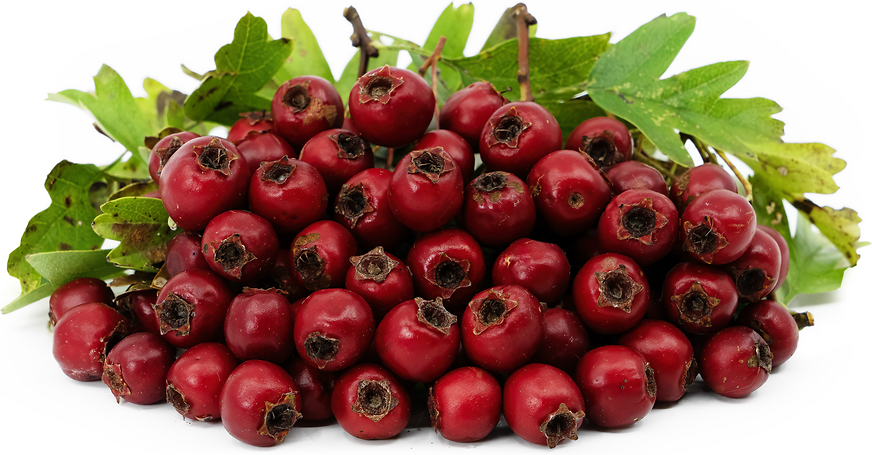
What should consumers know?
Hawthorn is an ingredient where medication interactions deserve particular attention. If you take prescription medicines—especially medicines related to cardiovascular health—it is important not to assume that a plant-based ingredient is automatically compatible with your treatment.
A healthcare professional or pharmacist can help determine whether hawthorn is appropriate for you.
4. L-Arginine
L-arginine is an amino acid involved in several processes in the body. One reason it attracts attention in cardiovascular nutrition is its relationship to nitric oxide, a molecule involved in blood-vessel signaling.
This has made L-arginine a subject of research involving circulation and vascular function.
Does that mean L-arginine automatically improves cardiovascular health? No. Human research has produced varying findings depending on the population and outcome being studied. The body's response can also depend on existing health conditions and other factors.
Therefore, L-arginine should be considered a researched nutritional compound—not a guaranteed solution for blood pressure or cardiovascular problems.
5. Olive Leaf Extract
Olive leaf extract comes from the leaves of the olive tree and contains naturally occurring plant compounds, including oleuropein. Olive-derived compounds have attracted scientific interest because of their antioxidant and other biological properties.
Research has explored olive leaf extract in areas including metabolic and cardiovascular wellness.
For someone evaluating LifePulse, its role in the formula is particularly interesting because it adds a botanical source of naturally occurring plant compounds. Again, though, laboratory findings and studies of an ingredient should not automatically be interpreted as proof that the finished LifePulse formula will produce a specific health outcome.
6. Magnesium
Magnesium is different from several of the botanical ingredients because it is an essential mineral that the body requires. It participates in hundreds of biochemical processes, including those involved in muscle and nerve function, energy metabolism, and normal physiological regulation.
Because cardiovascular function depends on many of these processes, magnesium is naturally relevant to discussions about heart health.
Why does magnesium matter?
The goal isn't necessarily to consume as much magnesium as possible. Instead, the focus should be on obtaining an appropriate amount through food and, when appropriate, supplementation.
Foods containing magnesium include:
- Nuts and seeds
- Beans and legumes
- Whole grains
- Leafy green vegetables
- Some seafood
A supplement can be useful in certain situations, but more is not automatically better.
7. Vitamin B6
Vitamin B6 is another essential nutrient included in LifePulse. It is involved in numerous biological processes, including amino acid metabolism and normal nervous system function. Vitamin B6 also participates in processes involved in the formation of red blood cells and normal energy metabolism.
Its inclusion gives the LifePulse formula a nutritional component alongside its botanical extracts and other compounds. As with other nutrients, however, supplementation should be considered in the context of total dietary intake.
How Is LifePulse Supposed to Work?
This is perhaps the most important question when reviewing a multi-ingredient supplement. LifePulse isn't based on one single mechanism. Instead, its formulation brings together several ingredients with different biological roles.
Broadly, the formula is positioned around nutritional and botanical support for cardiovascular wellness. The ingredients can be grouped conceptually into several areas:
- Cellular energy and metabolism — CoQ10 is particularly relevant to cellular energy production.
- Essential nutritional support — Magnesium and vitamin B6 contribute to normal physiological and metabolic processes.
- Botanical compounds — Black cumin seed, hawthorn berry, and olive leaf extract provide plant-derived compounds that have been studied for various biological effects.
- Vascular-function research — L-arginine is involved in pathways associated with nitric oxide and vascular signaling.
But it's important not to turn these individual mechanisms into a promise about the complete product. A biological mechanism is not the same thing as a proven clinical outcome.
The overall effect of a finished supplement depends on the specific formulation, amounts provided, individual characteristics, and other factors.
Review LifePulse ingredients, labeling, and official product information.
Review LifePulse Official Product Information→Potential Benefits of LifePulse
Based on the ingredients and positioning of the formula, LifePulse may be of interest to adults looking for nutritional support as part of a broader cardiovascular wellness routine.
Potential areas of interest include:
- Supporting normal nutritional intake
- Providing essential nutrients such as magnesium and vitamin B6
- Providing CoQ10 for cellular energy-related processes
- Supplying botanical compounds from black cumin, hawthorn, and olive leaf
- Supporting an overall healthy-aging strategy
The key word here is support. LifePulse should not be presented as a treatment for hypertension, cardiovascular disease, or another medical condition. If someone has a diagnosed health condition, appropriate medical care remains essential.
LifePulse Pros and Cons
| Potential Pros | Potential Cons / Considerations |
|---|---|
| Contains seven featured ingredients | Multi-ingredient formulas can make it difficult to determine which ingredient is responsible for an effect |
| Includes essential nutrients such as magnesium and vitamin B6 | Individual nutritional needs vary |
| Combines botanical and nutritional ingredients | Some botanical ingredients may interact with medications |
| Includes ingredients that have been studied in cardiovascular contexts | Research on individual ingredients does not automatically prove the finished formula works |
| Convenient supplement format | Supplements should complement—not replace—a healthy lifestyle |
| May appeal to adults interested in healthy aging | People with medical conditions should seek professional guidance before use |
Who Might Be Interested in LifePulse?
LifePulse may be worth exploring for adults who are interested in a broader approach to cardiovascular wellness and want to learn more about a formula combining botanical ingredients and essential nutrients.
It may particularly appeal to people who are already thinking about:
- Eating a more nutrient-dense diet
- Maintaining an active lifestyle
- Supporting healthy aging
- Paying attention to cardiovascular wellness
- Getting adequate essential nutrients
- Learning more about botanical ingredients
However, “interested in” is different from “medically appropriate for.” Whether a supplement makes sense depends on the individual.
What to Consider Before Taking LifePulse
Natural ingredients can still have biological effects. That means it is worth taking the same thoughtful approach to a supplement that you would take with any health product.
1. Medications
Some ingredients may interact with prescription or over-the-counter medicines. This is particularly important if you take medication for cardiovascular conditions, blood pressure, blood clotting, or other chronic health concerns.
2. Existing health conditions
If you have a diagnosed medical condition, speak with your healthcare professional before adding a new supplement.
3. Pregnancy or breastfeeding
People who are pregnant or breastfeeding should consult an appropriate healthcare professional before using supplements containing multiple botanical ingredients.
4. Total nutrient intake
Remember to consider nutrients you may already be receiving from multivitamins, fortified foods, or other supplements.
5. Individual response
People can respond differently to supplements. An ingredient that is appropriate for one person may not be appropriate for another.
LifePulse vs. a Healthy Lifestyle
A supplement shouldn't become the centerpiece of a heart-health strategy. The foundation is still everyday behavior.
Think about the bigger picture:
- Food: Emphasize vegetables, fruits, legumes, whole grains, nuts, seeds, and other nutrient-dense foods.
- Movement: Regular physical activity is an important part of maintaining cardiovascular fitness.
- Sleep: Consistent, restorative sleep supports overall health.
- Stress: Finding sustainable ways to manage stress can contribute to healthier daily habits.
- Monitoring: Appropriate health checks can help identify issues that aren't obvious from how you feel.
- Medical care: When treatment is necessary, supplements should never be used as a substitute for prescribed care.
LifePulse may fit into this larger framework as a nutritional supplement, but it shouldn't replace the fundamentals.
If diet is part of your focus, see our guide on foods and ingredients that may affect blood pressure.
What Makes a Good LifePulse Review?
A useful supplement review shouldn't simply repeat a product's marketing. It should ask several questions:
- What is actually in the formula? LifePulse features seven ingredients spanning botanical extracts, an amino acid, a naturally occurring compound, and essential nutrients.
- What does research say? Some ingredients have substantial research histories, while evidence varies by ingredient and health outcome.
- Are there limitations? Yes. Research on individual ingredients doesn't necessarily establish that the finished supplement produces a particular clinical result.
- Is it appropriate for everyone? No supplement is automatically appropriate for every person. Medications, health conditions, dietary intake, and individual circumstances matter.
This evidence-aware approach is more useful than simply labeling a supplement “good” or “bad.”
Final Verdict: Is LifePulse Worth Considering?
LifePulse takes a multi-ingredient approach to cardiovascular wellness, combining black cumin seed, CoQ10, hawthorn berry, L-arginine, olive leaf extract, magnesium, and vitamin B6.
Several of these ingredients have been studied in areas relevant to cardiovascular or general nutritional health, making the formulation interesting from a wellness perspective.
At the same time, consumers should keep expectations realistic.
Research on an individual ingredient doesn't automatically prove that a particular supplement will deliver a specific result. And no supplement should be treated as a replacement for appropriate medical care, a balanced diet, physical activity, adequate sleep, or other healthy habits.
For adults interested in nutritional support for healthy aging, LifePulse may be worth researching further—particularly if its ingredient profile aligns with their personal wellness goals.
If you want to learn more about the LifePulse formula, you can review the official product information and decide whether it fits your personal wellness goals.
Review the official LifePulse formula and decide whether it fits your wellness goals.
View LifePulse Official Product Information→Frequently Asked Questions
1. What is LifePulse?
LifePulse is a dietary supplement formulated around seven featured ingredients: black cumin seed (Nigella sativa), CoQ10, hawthorn berry, L-arginine, olive leaf extract, magnesium, and vitamin B6. It is positioned around cardiovascular and general wellness support. It should not be considered a treatment for hypertension or cardiovascular disease.
2. What ingredients are in LifePulse?
The seven featured ingredients are black cumin seed, CoQ10, hawthorn berry, L-arginine, olive leaf extract, magnesium, and vitamin B6. These ingredients have different nutritional or biological roles, ranging from essential nutrient functions to plant-derived compounds that have been researched in cardiovascular and metabolic contexts.
3. Does LifePulse lower blood pressure?
It would be inappropriate to guarantee that LifePulse lowers blood pressure. Some individual ingredients in the formula have been studied in relation to blood pressure or vascular function, but research on individual ingredients does not establish that the finished LifePulse product produces a specific blood-pressure effect in every user.
4. Is black cumin seed good for heart health?
Black cumin seed, or Nigella sativa, has been studied for several potential biological effects, including antioxidant and cardiovascular-related outcomes. However, research varies in quality and scope. It should not be described as a cure or prevention for cardiovascular disease, and individual research findings should not automatically be applied to every black cumin supplement.
5. What is CoQ10 used for?
CoQ10 is a naturally occurring compound involved in cellular energy production. Because tissues such as the heart have high energy requirements, CoQ10 has attracted interest in cardiovascular research. However, the potential benefits of supplementation depend on the specific health outcome and individual circumstances.
6. Can I take LifePulse with medication?
You should ask a qualified healthcare professional before combining LifePulse with prescription or over-the-counter medication. Ingredients such as hawthorn and L-arginine may be relevant to medication interactions, particularly for people taking cardiovascular medicines. A pharmacist or doctor can evaluate the complete ingredient list in relation to your medications.
7. Is LifePulse a replacement for blood-pressure medication?
No. A dietary supplement should not be used as a replacement for prescribed medication. If you have been prescribed treatment for high blood pressure or another cardiovascular condition, continue following your healthcare professional's recommendations and discuss any supplement with them before use.
8. Is LifePulse suitable for everyone?
Not necessarily. Individual circumstances such as medications, medical conditions, pregnancy, breastfeeding, allergies, dietary intake, and other supplements can affect whether a product is appropriate. Anyone with health concerns should discuss the formula with a qualified healthcare professional before taking it.
Ready to take a closer look at LifePulse?
Explore LifePulse→