
The years surrounding the COVID-19 pandemic brought major changes to everyday life. Social activities were reduced, routines were disrupted, physical activity declined for many people, and stress and uncertainty became part of daily life.
For some adults, the effects seemed to continue even after restrictions eased. They noticed difficulty concentrating, occasional forgetfulness, lower motivation, disrupted sleep, fatigue, or changes in mood. These experiences are sometimes described informally as “pandemic brain.”
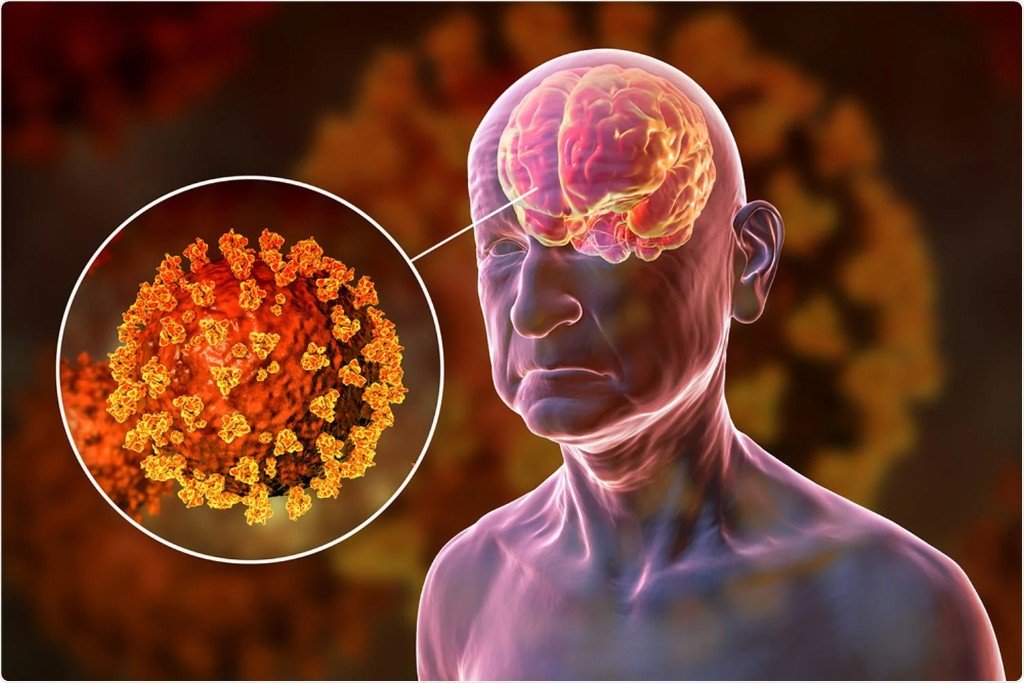
“Pandemic brain” is not a formal medical diagnosis. Instead, the term can be used to describe cognitive and emotional difficulties that some people experienced during or after a prolonged period of stress, isolation, disrupted routines, and lifestyle changes.
The good news is that cognitive health is influenced by many everyday factors. Social connection, physical activity, sleep, nutrition, stress management, and mentally stimulating activities can all contribute to overall brain wellness as we age.

What Is “Pandemic Brain”?
“Pandemic brain” generally refers to feelings such as brain fog, difficulty concentrating, forgetfulness, mental fatigue, and changes in mood that people associated with the pandemic period.
There is no single cause behind these experiences. Several factors may have contributed, including:
- Changes in normal daily routines
- Reduced opportunities for social interaction
- Increased stress and uncertainty
- Less physical activity
- Changes in sleep schedules
- Greater time spent at home
- Changes in eating habits
- Reduced exposure to stimulating environments and activities
Stress itself can influence how well we think and remember information. When someone is dealing with ongoing stress, sleep disruption, inactivity, or social isolation at the same time, these factors may collectively affect how mentally sharp they feel.
It is also important to distinguish temporary brain fog from significant or progressive cognitive impairment. Persistent or worsening memory problems should be discussed with a healthcare professional rather than automatically being attributed to aging or the pandemic.

How Does “Pandemic Brain” Relate to Healthy Aging?
Maintaining cognitive health becomes increasingly important as we get older. Although some changes in processing speed or memory can occur with normal aging, lifestyle factors remain important throughout adulthood.
The source material emphasizes an interesting concept: the brain does not operate separately from the rest of the body. Physical activity, emotional well-being, sleep, nutrition, and social relationships can all influence the environment in which the brain functions.
Periods of isolation may also reduce the amount of social and mental stimulation people receive. Everyday conversations, hobbies, exercise classes, family activities, travel, learning, and community involvement all provide opportunities for the brain to process information and adapt.
For adults over 40, rebuilding healthy routines after a prolonged disruption can therefore be a useful part of a broader healthy-aging strategy.
Curious how Defeating Pandemic Brain fits a cognitive-wellness routine?
Learn More About Defeating Pandemic Brain→What Does the Source Material Suggest?
One of the major themes in the source is neuroinflammation. The brain contains specialized immune cells called microglia. These cells help maintain the brain's environment and respond to injury or threats.
Research has explored how prolonged stress and other physiological factors can influence inflammatory processes in the brain. The source also references research investigating changes in brain-imaging markers following pandemic-related societal restrictions.
However, it is important not to interpret these findings too broadly. Evidence that stress or lifestyle disruption can influence biological processes does not establish that pandemic restrictions permanently damaged everyone's brains, nor does it prove that brain inflammation caused individual symptoms.
The source also connects inflammation with several areas of health, including mood, fatigue, and cognitive function. These relationships are complex and involve many biological and lifestyle factors.
Rather than focusing on a single explanation, a more practical approach is to consider the multiple behaviors that support brain and overall health.
The Connection Between Social Connection and Cognitive Wellness
Humans are naturally social. Regular interaction with friends, relatives, colleagues, neighbors, and community groups can provide emotional support as well as mental stimulation.
During periods of isolation, many people experienced fewer face-to-face interactions. Even when technology helped maintain contact, virtual communication did not always replace the experience of normal social activities.
Rebuilding social routines may therefore be useful for people who still feel disconnected.
Simple steps can include calling a friend, having a meal with family, joining a walking group, participating in a hobby, attending community activities, or simply spending more time talking with people in person.
Social connection should not be viewed as a treatment for cognitive problems, but it can be an important component of a healthy lifestyle.
Practical Ways to Support Cognitive Health
The source material describes seven broad lifestyle pillars. These can be adapted into realistic habits rather than treated as a rigid program.
1. Practice Gratitude and Positive Habits
A regular gratitude practice can encourage people to pay attention to positive experiences rather than focusing exclusively on stress.
Keeping a short gratitude journal, acknowledging something that went well, or intentionally making time for enjoyable activities may help support emotional well-being.
The goal isn't to force yourself to feel positive all the time. Instead, it is about creating space for positive experiences alongside life's challenges.
2. Stay Physically Active
Exercise is one of the most consistently discussed lifestyle factors in brain-health research.
Physical activity supports cardiovascular health and can contribute to overall well-being. It also provides an opportunity to leave the house, interact with others, and establish a predictable routine.
You don't necessarily need an intense workout. Walking, cycling, swimming, dancing, stretching, gardening, or other enjoyable activities can help increase daily movement.
If you've been inactive for a long period, starting gradually is often more realistic than attempting a demanding exercise routine immediately.
3. Keep the Brain Engaged
The source discusses brain games and working memory. Mental stimulation can certainly be enjoyable, but commercial “brain-training” programs should not automatically be assumed to provide broad protection against cognitive decline.
Instead, consider a variety of mentally engaging activities.
Reading, learning a new skill, playing an instrument, solving puzzles, cooking a new recipe, studying a language, or participating in meaningful hobbies can provide opportunities to challenge the brain.
Variety may be more useful than relying on one particular game or exercise.
4. Make Time for Music
Music is another topic highlighted in the source material.
Listening to familiar or enjoyable music can be a simple way to support relaxation and positive emotions. Music may also evoke memories and encourage social interaction.
Whether you prefer classical music, jazz, instrumental music, or your favorite songs, the most important consideration may simply be choosing music that you genuinely enjoy.
5. Manage Stress
Long periods of stress can affect sleep, mood, energy, and concentration.
Simple stress-management practices can include breathing exercises, meditation, quiet walks, stretching, spending time outdoors, or taking several minutes each day without screens or distractions.
A short, consistent relaxation routine may be easier to maintain than attempting major lifestyle changes all at once.
6. Consider Journaling
Writing down thoughts, experiences, goals, or daily events can encourage reflection and organization.
A journal can also be used to track sleep, mood, exercise, or habits. This may help identify patterns that are otherwise easy to overlook.
You don't need to write several pages every day. A few sentences may be enough to create a sustainable habit.
7. Focus on Overall Nutrition
The source places particular emphasis on reducing excessive added sugar and choosing nutrient-rich foods.
A balanced eating pattern can include vegetables, fruits, whole grains, legumes, nuts, seeds, and appropriate sources of protein and healthy fats.
Reducing excessive consumption of highly processed foods and added sugars may also support broader metabolic and cardiovascular health.
Rather than labeling individual foods as “good” or “bad,” it is generally more practical to look at the overall pattern of eating.

Explore the Defeating Pandemic Brain offer and current details.
View Defeating Pandemic Brain Offer→The Role of Defeating Pandemic Brain
For adults looking for additional educational support alongside healthy lifestyle habits, Defeating Pandemic Brain is one option that focuses on cognitive wellness themes related to the pandemic period and healthy aging.
It should be viewed as one potential part of a broader wellness strategy rather than a replacement for healthy habits, medical care, adequate sleep, physical activity, or a balanced diet.
Before using any wellness product or program, particularly when taking medications or managing an existing health condition, it is sensible to discuss your options with a qualified healthcare professional.

Want to check the current Defeating Pandemic Brain details?
Check the Current Offer→Key Takeaways
- “Pandemic brain” is an informal term rather than a medical diagnosis.
- Stress, disrupted routines, reduced activity, social isolation, and poor sleep may contribute to feelings of brain fog or mental fatigue.
- Social connection can provide valuable emotional and mental stimulation.
- Regular physical activity, mentally engaging hobbies, stress management, and adequate sleep are important components of healthy aging.
- A balanced dietary pattern and moderation of added sugars can support overall health.
- Persistent, worsening, or concerning cognitive changes should be evaluated by a healthcare professional.
Frequently Asked Questions
Is “pandemic brain” a medical condition?
No. “Pandemic brain” is an informal term used to describe experiences such as forgetfulness, difficulty concentrating, mental fatigue, and brain fog associated by some people with the pandemic period.
Can social isolation affect cognitive well-being?
Reduced social interaction can affect emotional well-being and may reduce opportunities for mental stimulation. Rebuilding meaningful social connections can be a useful part of a healthy lifestyle.
Can exercise support brain health as we age?
Regular physical activity supports overall cardiovascular and physical health and is associated with several aspects of healthy aging. Activities such as walking, swimming, cycling, and strength training can all contribute to an active lifestyle.
Can diet affect cognitive health?
Nutrition plays an important role in overall health. A balanced diet emphasizing nutrient-rich whole foods while limiting excessive added sugar and highly processed foods can support metabolic and cardiovascular health, which are also relevant to healthy aging.
When should memory problems be discussed with a doctor?
Occasional forgetfulness can happen to anyone. However, persistent or worsening memory problems, confusion, personality changes, or difficulties managing everyday activities deserve professional evaluation. These symptoms should not automatically be attributed to aging or past pandemic-related stress.
Conclusion
The experience of the pandemic changed daily life for millions of people, and some individuals continue to notice changes in their concentration, energy, mood, sleep, or memory.
While the term “pandemic brain” can help describe these experiences, it is important not to assume that every cognitive symptom has one cause. Brain health is influenced by a combination of biological, psychological, social, and lifestyle factors.
For adults over 40, the most practical response may be to focus on habits that support overall health: stay physically active, maintain meaningful relationships, prioritize quality sleep, manage stress, eat a balanced diet, and keep the brain engaged with activities that are both challenging and enjoyable.
Small, sustainable changes may be more realistic than trying to transform everything at once. And when cognitive changes are persistent or concerning, professional medical advice remains an important part of protecting long-term health.
If you're interested in learning more, explore Defeating Pandemic Brain and see whether it fits your approach to cognitive wellness and healthy aging.
Ready to learn more about Defeating Pandemic Brain?
Explore Defeating Pandemic Brain→Disclaimer: This content is for educational and informational purposes only and is not intended to diagnose, treat, cure, or prevent any disease. It is not a substitute for professional medical advice.