
Black cumin seed and heart health have attracted growing interest as researchers investigate the potential effects of Nigella sativa on blood pressure, blood lipids, blood sugar, inflammation, and other cardiometabolic markers.
If you're becoming more proactive about healthy aging, you may have come across black cumin seed—also known as black seed, black caraway, or kalonji—and wondered whether it deserves a place in your daily wellness routine.
The answer isn't as simple as calling it a "heart-health miracle."
Research on Nigella sativa is promising in some areas, particularly blood-pressure research, but the evidence is not strong enough to say that black cumin seed prevents heart attacks, strokes, or cardiovascular disease. Much of the human research has focused on risk factors and intermediate health markers, rather than major cardiovascular events.
That distinction matters.
In this guide, we'll look at what black cumin seed is, what researchers have discovered, where the evidence is encouraging, where uncertainty remains, and how Nigella sativa fits into the LifePulse formula.
Quick Answer: Is Black Cumin Seed Good for Heart Health?
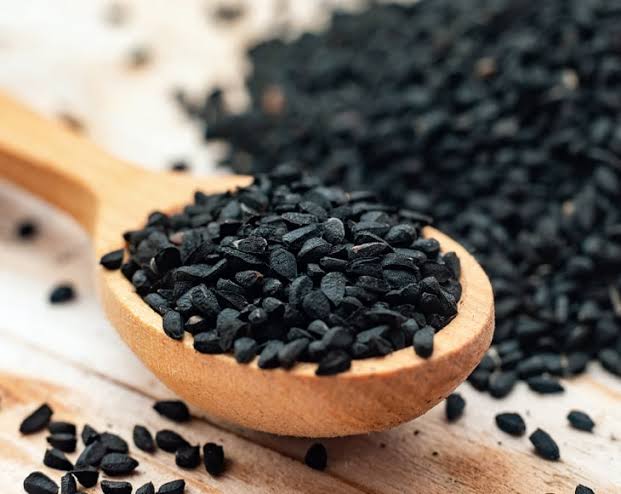
Black cumin seed (Nigella sativa) is an interesting botanical ingredient that has been studied for several cardiovascular and metabolic risk factors, particularly blood pressure.
Human clinical trials and systematic reviews have reported potentially beneficial changes in measures such as systolic and diastolic blood pressure. However, results have not been completely consistent, and studies have used different doses, preparations, durations, and participant populations.
The most balanced way to look at the evidence is:
- Nigella sativa has been investigated in randomized controlled human trials.
- Several reviews and meta-analyses have reported modest reductions in blood-pressure measurements.
- Research has also examined blood glucose, blood lipids, oxidative stress, and inflammatory markers.
- Evidence for specific vascular outcomes, including some measures of endothelial function, remains mixed.
- Research on Nigella sativa does not establish it as a treatment or cure for cardiovascular disease.
- It should be considered a potential nutritional supplement, not a replacement for prescribed medication or professional medical care.
So, if you're searching for black seed for heart health, the evidence is worth exploring—but it should be interpreted realistically.
Curious how Nigella sativa appears in a multi-ingredient heart-wellness formula?
Explore the LifePulse Formula→What Is Black Cumin Seed?
Black cumin seed comes from the flowering plant Nigella sativa, which belongs to the Ranunculaceae family.
Despite its name, black cumin is not the same plant as culinary cumin (Cuminum cyminum).
You may see Nigella sativa described as:
- Black cumin
- Black seed
- Black caraway
- Kalonji
- Nigella
- Black seed oil
The small, dark seeds have a long history of traditional culinary and herbal use across parts of the Middle East, Asia, and other regions.
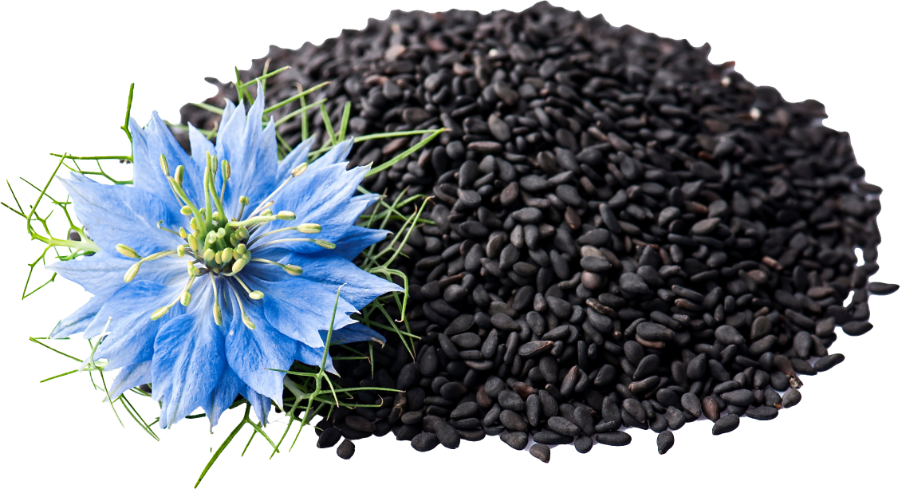
Today, Nigella sativa is available in several forms, including:
- Whole seeds
- Ground seed or powder
- Black seed oil
- Extracts
- Concentrated supplements
This distinction is important when evaluating research. A study performed using a particular oil, extract, dose, or standardized preparation does not automatically demonstrate that every black-seed product will produce the same result.
Why Is Nigella Sativa Being Studied for Heart Health?
Scientists have become interested in Nigella sativa because it contains several biologically active compounds. One of the most extensively studied is thymoquinone.
Laboratory and preclinical research has investigated thymoquinone and other compounds for antioxidant, inflammatory, metabolic, and other biological activities.
But there's an important scientific principle to remember:
A biological effect observed in a laboratory does not automatically translate into a proven health benefit in humans.
Laboratory studies can help researchers identify possible mechanisms. Animal research can provide additional evidence during early-stage investigation. Human clinical trials are needed to determine whether those potential effects actually occur in people and whether they are meaningful.
That's why the human evidence deserves the most attention when you're evaluating a supplement.

Black Cumin Seed: Traditional Use vs. Modern Research
Nigella sativa has a long history of traditional use. That history is scientifically interesting because traditional use can help researchers identify plants that may warrant further investigation.
However, traditional use isn't the same thing as clinical evidence.
Modern research needs to answer questions such as:
- Does Nigella sativa have a measurable effect?
- What preparation was used?
- What dose was studied?
- How long was it taken?
- Which people were studied?
- How large was the effect?
- Is the effect clinically meaningful?
- What are the potential risks and interactions?
For Nigella sativa, researchers have conducted randomized controlled trials and systematic reviews addressing some of these questions.
Nigella Sativa and Blood Pressure: What Does the Research Say?
Blood pressure is one of the most frequently studied cardiovascular-related outcomes associated with Nigella sativa.
Several clinical studies have investigated whether supplementation affects systolic and diastolic blood pressure.
A 2023 systematic review and meta-analysis published in Phytotherapy Research reported reductions in both systolic and diastolic blood pressure among participants receiving Nigella sativa supplementation. However, the studies differed in important ways, including their populations, preparations, doses, and durations.
[Insert citation to the 2023 systematic review/meta-analysis here.]
Another systematic review and dose-response meta-analysis involving 17 studies and more than 1,000 participants also reported reductions in systolic and diastolic blood pressure.
[Insert citation to the relevant dose-response meta-analysis here.]
These findings are interesting, but they don't mean that everyone taking black cumin seed will experience a particular reduction in blood pressure.
The most reasonable interpretation is:
There is human evidence suggesting that Nigella sativa may influence blood-pressure measurements, but the evidence isn't strong enough to treat black cumin seed as a proven therapy for hypertension.
That makes it an interesting area of nutritional research—not a substitute for medical treatment.
How Strong Is the Evidence?
It's useful to separate the evidence into four levels.
1. Laboratory Research
Researchers have examined compounds from Nigella sativa, including thymoquinone, in laboratory settings. These studies can provide information about antioxidant activity, cellular pathways, inflammatory processes, metabolic mechanisms, and potential vascular effects.
What laboratory research can tell us: It can help scientists understand how an ingredient might work.
What it cannot tell us: It cannot establish that consuming a particular black-seed supplement will produce the same effect in humans.
2. Animal Research
Animal studies have investigated Nigella sativa in connection with cardiovascular, metabolic, inflammatory, and oxidative processes. These studies can help researchers investigate biological mechanisms and determine whether an ingredient deserves further study.
But animal findings cannot automatically be translated into human health outcomes. Differences in metabolism, physiology, dosage, and experimental conditions all matter.
3. Human Clinical Trials
Human studies are more directly relevant to consumers. Randomized controlled trials have examined Nigella sativa supplementation in adults, including studies measuring blood pressure, blood glucose, blood lipids, inflammatory markers, oxidative-stress markers, and other cardiometabolic outcomes.
Some studies have reported favorable changes, while others have produced less pronounced or inconsistent findings. That variation is important.
It means the question isn't simply "Does black seed work?" A better question is:
What preparation, dose, duration, and population have been studied—and how meaningful are the observed effects?
4. Systematic Reviews and Meta-Analyses
Systematic reviews and meta-analyses can provide a broader view by combining results from multiple studies.
A 2025 systematic review and meta-analysis covering 82 studies and more than 5,000 participants reported favorable effects across several cardiometabolic measures, including blood pressure.
[Insert full citation to the 2025 systematic review/meta-analysis here.]
However, a large number of studies doesn't automatically mean the evidence is definitive. The underlying studies can differ substantially in participant characteristics, supplement preparation, dosage, treatment duration, study quality, and outcomes measured.
The 2025 findings are therefore better understood as evidence that Nigella sativa warrants continued research and may have potential as an adjunctive nutritional intervention, rather than proof that it prevents or treats cardiovascular disease.
What About Endothelial Function?
The endothelium is the thin layer of cells lining the inside of blood vessels. It plays an important role in vascular function, including the regulation of blood-vessel tone and blood flow.
Because vascular function is relevant to cardiovascular health, researchers have also investigated whether Nigella sativa affects markers associated with endothelial function.
A 2024 systematic review and meta-analysis examining specific endothelial-function markers, including ICAM and VCAM, did not find a statistically significant effect on the measures analyzed. The review included only a small number of randomized controlled trials and reported substantial heterogeneity.
[Insert citation to the 2024 endothelial-function systematic review/meta-analysis here.]
This is an important counterbalance to the positive blood-pressure findings. It shows why supplement research should be evaluated outcome by outcome, rather than assuming that a positive result in one area proves benefits across every aspect of cardiovascular health.
What About the Antioxidant Properties of Black Seed?
Oxidative stress is another reason Nigella sativa attracts scientific interest. Compounds found in black seed have demonstrated antioxidant activity in laboratory and preclinical research.
But there's a major difference between "A compound demonstrates antioxidant activity" and "Taking this supplement prevents cardiovascular disease." The second statement requires clinical evidence that demonstrates the actual health outcome.
For that reason, antioxidant activity should be viewed as a potential mechanism of interest, not proof that black cumin seed prevents heart disease.
What Is Thymoquinone?
If you've researched black seed supplements, you've probably encountered the term thymoquinone.
Thymoquinone is one of the principal bioactive compounds found in Nigella sativa and is extensively studied in laboratory and preclinical research. Researchers have investigated its potential antioxidant activity, anti-inflammatory activity, metabolic effects, cellular effects, and vascular-related mechanisms.
However, thymoquinone shouldn't be marketed as a "miracle compound." The presence of an interesting bioactive compound doesn't automatically mean that a finished supplement will deliver a particular clinical benefit.
This is another reason to distinguish mechanistic research from human clinical evidence.
Can Black Cumin Seed Help Support Cardiovascular Wellness?
Possibly—but "support" is the more appropriate way to think about it.
Cardiovascular health is influenced by a wide range of factors, including blood pressure, cholesterol, blood glucose, physical activity, dietary pattern, sleep, smoking, alcohol consumption, stress, body weight, age, genetics, family history, and existing medical conditions.
No single ingredient addresses all of these factors. A more sensible approach is to consider Nigella sativa as one potential component of a broader healthy-lifestyle strategy.
The Foundation of a Heart-Conscious Lifestyle
If cardiovascular wellness is your goal, supplements should come after the fundamentals.
Eat a Balanced Diet
Emphasize vegetables, fruits, legumes, whole grains, nuts, seeds, and other minimally processed foods. Keeping sodium, added sugars, and highly processed foods in check may also be useful depending on your individual health needs.
Stay Physically Active
Walking, cycling, swimming, resistance training, and other activities can contribute to cardiovascular fitness. Choose activities that are appropriate for your fitness level and health circumstances.
Prioritize Sleep
Consistent, adequate sleep is an important part of overall health.
Manage Stress
Stress-management practices such as regular physical activity, relaxation techniques, social connection, and adequate downtime can support overall well-being.
Monitor Relevant Health Measures
Depending on your age and health history, monitoring things such as blood pressure, cholesterol, and blood glucose can help you and your healthcare professional understand your cardiovascular risk.
Don't Skip Medical Care
If you've been diagnosed with hypertension, cardiovascular disease, diabetes, kidney disease, or another medical condition, professional medical guidance remains important. A supplement should complement appropriate care—not replace it.
How Black Cumin Seed Fits Into LifePulse
This is where Nigella sativa becomes particularly relevant to LifePulse.
According to the supplied LifePulse product information, black cumin seed is positioned as the central ingredient around which the formula was developed.
The formula features seven highlighted nutrients:
- Black cumin seed (Nigella sativa)
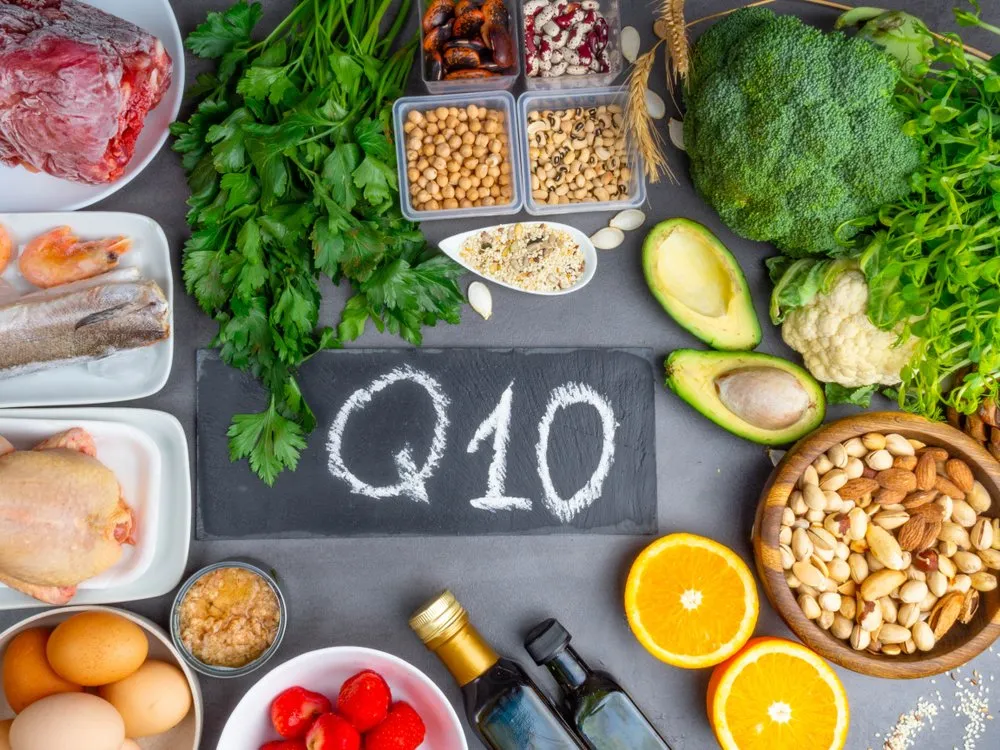
- CoQ10
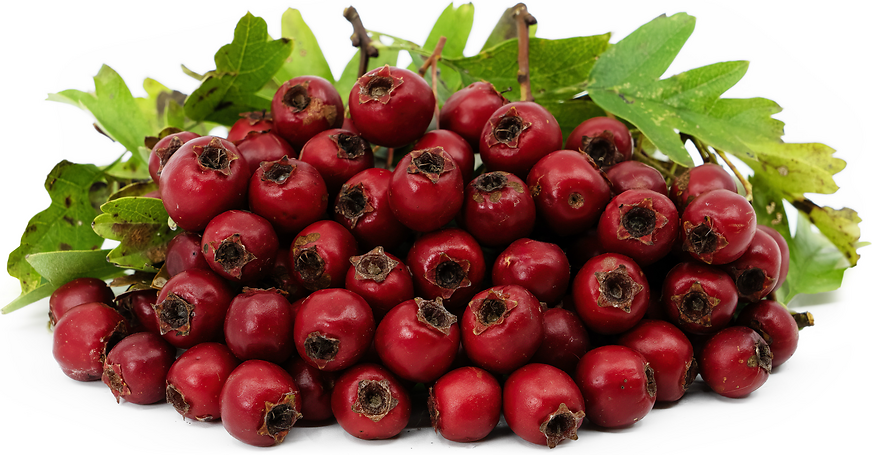
- Hawthorn berry
- L-arginine
- Olive leaf extract
- Magnesium
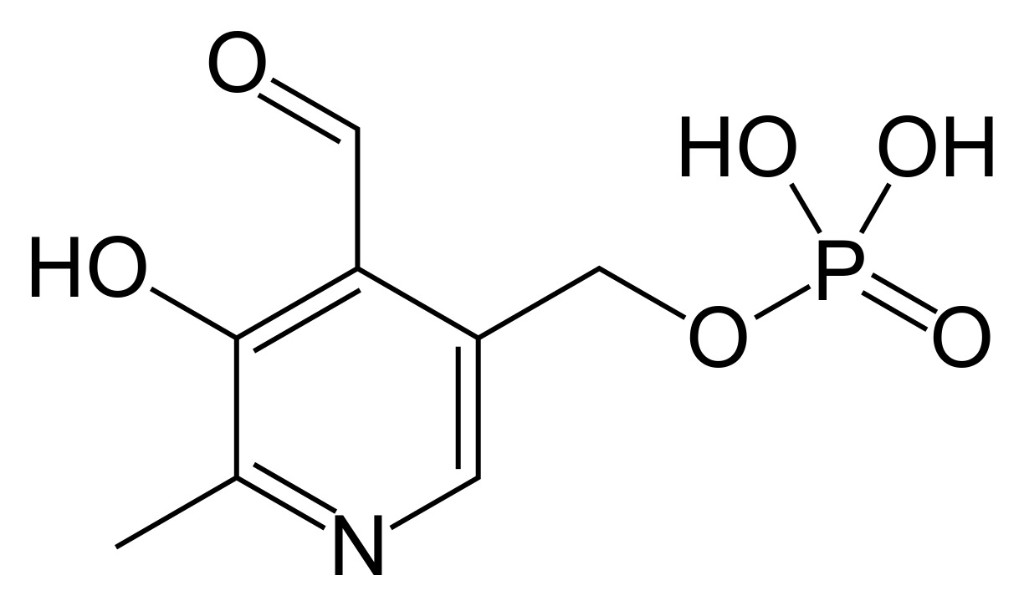
- Vitamin B6
The supplied product material describes the first five ingredients as its "heart care blend," with magnesium and vitamin B6 included as supporting nutrients.
However, there's an important distinction between ingredient research and finished-product research.
Research on Nigella sativa doesn't automatically establish that LifePulse produces the same effects. Likewise, evidence concerning individual ingredients does not prove that combining them creates a clinically demonstrated "synergistic" effect unless the finished formulation itself has been studied.
For that reason, LifePulse is best described as a multi-ingredient nutritional formula designed around cardiovascular wellness—rather than a clinically proven treatment for cardiovascular disease.
Review LifePulse ingredients, labeling, and official product details.
Review LifePulse Official Product Information→Why Might Someone Consider a Multi-Ingredient Formula?
People often look at individual ingredients separately. For example:
- Nigella sativa has been studied for blood pressure and metabolic measures.
- CoQ10 has been investigated in various cardiovascular and energy-related contexts.
- Hawthorn has a long history of traditional use and has been studied for cardiovascular applications.
- L-arginine is involved in nitric oxide biology and vascular physiology.
- Olive leaf extract contains bioactive plant compounds.
- Magnesium is an essential mineral involved in numerous physiological processes.
- Vitamin B6 contributes to normal metabolic functions.
But the presence of research on individual ingredients doesn't establish that the complete combination produces a particular clinical outcome.
That's why consumers should look beyond ingredient lists and evaluate the exact amounts included, the form of each ingredient, manufacturing standards, product testing, label transparency, appropriate usage instructions, and potential medication interactions.
What Should You Look for in a Black Seed Supplement?
If you're considering Nigella sativa as part of your supplement routine, don't choose a product based solely on marketing claims.
1. Transparent labeling
You should be able to see exactly what ingredients are included and, where applicable, their quantities.
2. Clear formulation
Understand whether you're buying whole seed, powder, oil, extract, or a standardized preparation. These forms aren't necessarily interchangeable.
3. Manufacturing quality
Look for information about manufacturing standards and quality-control practices.
4. Appropriate claims
Be cautious of products promising to cure hypertension, reverse heart disease, prevent heart attacks, replace prescription medication, "clean" arteries, or guarantee cholesterol reduction. Those claims go far beyond what the available evidence can responsibly establish.
5. Product-specific information
Don't assume that research on one Nigella sativa extract applies identically to every product containing black seed.
Who Should Talk to a Healthcare Professional Before Using Black Seed?
A concentrated supplement may not be appropriate for everyone. Consider speaking with a qualified healthcare professional before using Nigella sativa, particularly if you:
- Take prescription medications
- Take medication for blood pressure or blood sugar
- Have cardiovascular disease
- Have diabetes
- Have kidney or liver disease
- Have another chronic medical condition
- Are pregnant or breastfeeding
- Are preparing for a medical procedure
- Are unsure whether a supplement is appropriate for you
Herbs and dietary supplements can interact with medications, and individual circumstances matter. The National Center for Complementary and Integrative Health (NCCIH) recommends discussing supplement use with healthcare professionals when interactions or other safety concerns may be relevant.
Can Black Cumin Seed Replace Blood Pressure Medication?
No. This distinction is critical.
Researching a nutritional ingredient is not the same thing as establishing a medical treatment. If your doctor has prescribed medication for hypertension, cardiovascular disease, diabetes, or another condition, don't stop, reduce, or replace that treatment because you've read about black cumin seed.
If you're interested in adding Nigella sativa to your routine, discuss it with your healthcare professional first.
Is LifePulse Right for You?
If you're looking for a supplement centered around Nigella sativa and prefer a formula that combines several nutritional and botanical ingredients, LifePulse may be worth investigating.
According to the supplied product information, its formula combines black cumin seed + CoQ10 + hawthorn berry + L-arginine + olive leaf extract + magnesium + vitamin B6.
The important word is investigation. You should review the official LifePulse product page, including full Supplement Facts, ingredient amounts, suggested use, manufacturing information, quality/testing information, warnings and precautions, and refund/return terms—then consider whether the product makes sense for your individual circumstances.
Review LifePulse Official Product Information →
Explore the LifePulse Formula→Black Cumin Seed vs. the Bigger Picture
It's tempting to look for one ingredient that can "do it all." Cardiovascular wellness doesn't work that way.
The most useful perspective is to think in terms of the complete picture:
Nutrition + physical activity + sleep + stress management + monitoring + appropriate medical care + informed supplement choices
Black cumin seed may be one piece of that picture. For some people, Nigella sativa is appealing because it has a long history of traditional use and an expanding body of scientific research. For others, the evidence may not be strong enough to justify supplementation. Both conclusions can be reasonable.
The goal isn't to convince yourself that every supplement works. The goal is to make an informed decision based on the quality of the evidence, the product you're actually considering, and your individual health circumstances.
Bottom Line: What Does the Research Really Tell Us?
Nigella sativa is a scientifically interesting botanical ingredient. Human studies have investigated it for blood pressure and a range of other cardiometabolic outcomes. Several systematic reviews and meta-analyses have reported modest improvements in blood-pressure measures.
At the same time:
- Not every study has produced identical results.
- Preparations and doses vary.
- Some cardiovascular outcomes remain insufficiently studied.
- Evidence for specific measures of endothelial function is mixed.
- Research on a particular ingredient doesn't automatically prove the effectiveness of a finished supplement.
- There is not sufficient evidence to present black cumin seed as a replacement for cardiovascular medication or medical care.
So, is black cumin seed worth researching if you're interested in cardiovascular wellness? Yes.
Is it a proven treatment for heart disease? No.
Could it be considered as part of a broader nutritional strategy? Potentially—provided you understand the evidence and consider your individual health circumstances.
And if you're specifically evaluating a product such as LifePulse, focus not only on the ingredient story but also on the actual formulation, dosages, product quality, official labeling, and safety information.
Ready to take a closer look? Review the official LifePulse formula and decide whether it fits your personal wellness goals.
View LifePulse Official Product Information→Frequently Asked Questions
1. What is black cumin seed?
Black cumin seed comes from the plant Nigella sativa. It is also known as black seed, black caraway, or kalonji. The seeds contain several bioactive compounds, including thymoquinone, and have been investigated in human research for blood pressure and other cardiometabolic measures.
2. Is Nigella sativa good for heart health?
Nigella sativa has potential relevance to cardiovascular wellness, particularly because human studies have investigated its effects on blood pressure and other cardiovascular risk factors. However, current evidence does not establish black cumin seed as a treatment or cure for cardiovascular disease.
3. Can black cumin seed lower blood pressure?
Some randomized controlled trials and meta-analyses have reported modest reductions in systolic and diastolic blood pressure with Nigella sativa supplementation. However, results vary among studies, and the optimal preparation, dose, and duration have not been definitively established for treating hypertension.
4. Does black cumin seed prevent heart disease?
There is currently insufficient evidence to claim that Nigella sativa prevents heart attacks, strokes, or cardiovascular disease. Most research has focused on cardiovascular and metabolic risk factors rather than major cardiovascular events.
5. What is thymoquinone?
Thymoquinone is one of the principal bioactive compounds found in Nigella sativa. It has been investigated extensively in laboratory and preclinical research for antioxidant and other biological activities. Those findings do not, by themselves, establish a specific clinical benefit from consuming black-seed supplements.
6. Is black cumin the same as regular cumin?
No. Black cumin seed comes from Nigella sativa, while the culinary cumin commonly used in cooking comes from Cuminum cyminum. They are botanically different plants.
7. What forms of black cumin are available?
Nigella sativa is available as whole seeds, powder, oil, extracts, and other supplement preparations. These forms should not automatically be considered equivalent because research may use a specific preparation and dose.
8. Is black cumin seed safe for everyone?
Not necessarily. Safety depends on factors such as the preparation, amount consumed, individual health circumstances, and medications being taken. People with medical conditions or those using prescription medications should consult a healthcare professional before taking concentrated supplements.
9. Can I take black cumin seed with blood-pressure medication?
Because supplements can potentially interact with medications or influence physiological measures, you should discuss the combination with your healthcare professional rather than assuming it is safe.
10. Can black cumin seed replace blood-pressure medication?
No. Do not stop or change prescribed medication because of information about Nigella sativa or another dietary supplement. Any changes to treatment should be discussed with the healthcare professional managing your condition.
11. Does LifePulse contain black cumin seed?
According to the supplied LifePulse product information, Nigella sativa (black cumin seed) is one of seven highlighted ingredients in the formula. The other featured ingredients are CoQ10, hawthorn berry, L-arginine, olive leaf extract, magnesium, and vitamin B6.
12. Does research on black cumin prove that LifePulse works?
No. Research on an individual ingredient cannot automatically be used as proof that a particular finished-product formulation produces the same effects. LifePulse should be evaluated based on its own formulation, labeling, quality information, and available product-specific evidence.
13. How much black cumin seed should I take?
There is no single universally established dose for cardiovascular benefits. Human studies have used different preparations and amounts. Follow the directions for the specific product you're considering and seek professional guidance when appropriate.
Important Note
This content is provided for educational and informational purposes only. It is not intended to diagnose, treat, cure, or prevent any disease and should not be considered medical advice.
Dietary supplements are not substitutes for a balanced diet, healthy lifestyle, or prescribed medical treatment.
If you have a medical condition, take prescription medication, are pregnant or breastfeeding, or have concerns about your cardiovascular health, consult a qualified healthcare professional before starting a new supplement.
Individual results may vary.