
As men get older, changes in urinary habits can become more noticeable. You may find yourself waking up more often at night, waiting longer for your urine stream to start, or feeling that your bladder does not empty as easily as it once did.
But what role do hormones play in these changes?
One hormone that researchers have closely studied in relation to prostate biology is dihydrotestosterone (DHT). DHT is a hormone made from testosterone and plays important roles in male development and reproductive health. However, its activity in prostate tissue has also attracted attention, particularly as men age.
Understanding how DHT interacts with the prostate can help men make more informed decisions about prostate wellness, nutrition, lifestyle, and when to seek professional medical advice.
Understanding the Prostate and DHT
The prostate is a small gland located below the bladder and surrounding part of the urethra, the tube that carries urine out of the body. One of its important functions is contributing fluid to semen.
The prostate naturally changes as men age. One common age-related condition is benign prostatic hyperplasia (BPH), which means noncancerous enlargement of the prostate.
BPH is common in older men and can affect the way urine flows through the urethra. However, prostate enlargement and prostate cancer are not the same condition, and urinary symptoms can have several possible causes.
What Is DHT?
DHT, or dihydrotestosterone, is an androgen hormone produced when the body converts testosterone into DHT through an enzyme called 5-alpha-reductase.
DHT is more potent than testosterone at activating androgen receptors in certain tissues. It has important functions, particularly during male development and in tissues that respond to androgens.
The prostate is one of the tissues influenced by androgen signaling.
Researchers have studied the relationship between DHT and prostate tissue because androgen activity can contribute to prostate growth and function. This is one reason hormonal pathways are relevant when scientists study age-related prostate changes.

How Does DHT Affect Prostate Health?
The relationship between DHT and prostate health is complex.
DHT binds to androgen receptors in prostate cells and influences cellular activity. As men age, changes in the prostate can occur alongside changes in hormone levels and tissue sensitivity.
Research into BPH has shown that DHT plays an important role in prostate growth. This does not mean that DHT alone causes urinary symptoms or that every man with higher DHT will develop prostate problems.
Instead, prostate health is influenced by multiple factors, including:
- Age and genetics
- Hormonal activity
- Body composition
- Diet and nutrition
- Physical activity
- Metabolic health
- Inflammation
- Existing medical conditions
- Lifestyle habits
This broader picture is important because prostate wellness cannot be reduced to a single hormone.
Curious how Youthful Prostate supports men’s prostate wellness?
Learn More About Youthful Prostate→What Urinary Changes Should Men Pay Attention To?
Changes in urinary habits can sometimes develop gradually, making them easy to dismiss as simply part of getting older.
Common lower urinary tract symptoms can include:
- Frequent urination: needing to urinate more often than usual
- Nighttime urination: waking during the night to use the bathroom
- Urinary urgency: experiencing a sudden or difficult-to-delay need to urinate
- Weak urine stream: noticing reduced force or flow
- Difficulty starting urination: having to wait before urine begins flowing
- Incomplete emptying: feeling that the bladder has not completely emptied
These symptoms can occur with BPH, but they are not specific to BPH. Urinary tract conditions, medications, bladder problems, diabetes, and other health issues can also contribute.
For that reason, persistent or bothersome symptoms deserve appropriate evaluation rather than being automatically attributed to aging.

What Factors May Influence Prostate Wellness?
DHT is only one part of a much larger picture.
Age and Hormonal Changes
The prostate undergoes biological changes over time. Hormonal signaling, including androgen activity, is one area researchers continue to study.
Diet and Nutrition
A balanced eating pattern can contribute to overall health and healthy aging. Foods rich in vegetables, fruits, fiber, healthy fats, and essential nutrients can support general metabolic wellness.
Certain nutrients and plant compounds have also been researched for their potential relationship with prostate health.
Physical Activity and Body Weight
Regular physical activity supports cardiovascular and metabolic health. Maintaining a healthy body weight may also be beneficial as part of an overall healthy-aging strategy.
Inflammation and Metabolic Health
Inflammation and metabolic health are areas of ongoing research in men's wellness. Factors such as poor diet, physical inactivity, excess body weight, and other chronic health concerns can influence overall health and may be relevant when considering prostate wellness.
The goal should be a comprehensive approach rather than focusing on one isolated factor.
Nutrition and Natural Ingredients Studied for Prostate Wellness
Several botanical ingredients and nutrients have been researched for their potential role in men's health. The evidence varies considerably between ingredients, and research findings should not be interpreted as proof that a supplement can prevent or treat a medical condition.
Saw Palmetto
Saw palmetto is a botanical extract derived from the berries of Serenoa repens, a plant native to the southeastern United States.
It is one of the most widely recognized herbal ingredients associated with men's prostate and urinary wellness.
Researchers have studied saw palmetto in relation to urinary symptoms associated with prostate enlargement. Some studies have reported potential benefits, while others have found limited or inconsistent effects.
As a result, saw palmetto should be viewed as a potentially supportive ingredient rather than a proven treatment for BPH.
Pygeum africanum
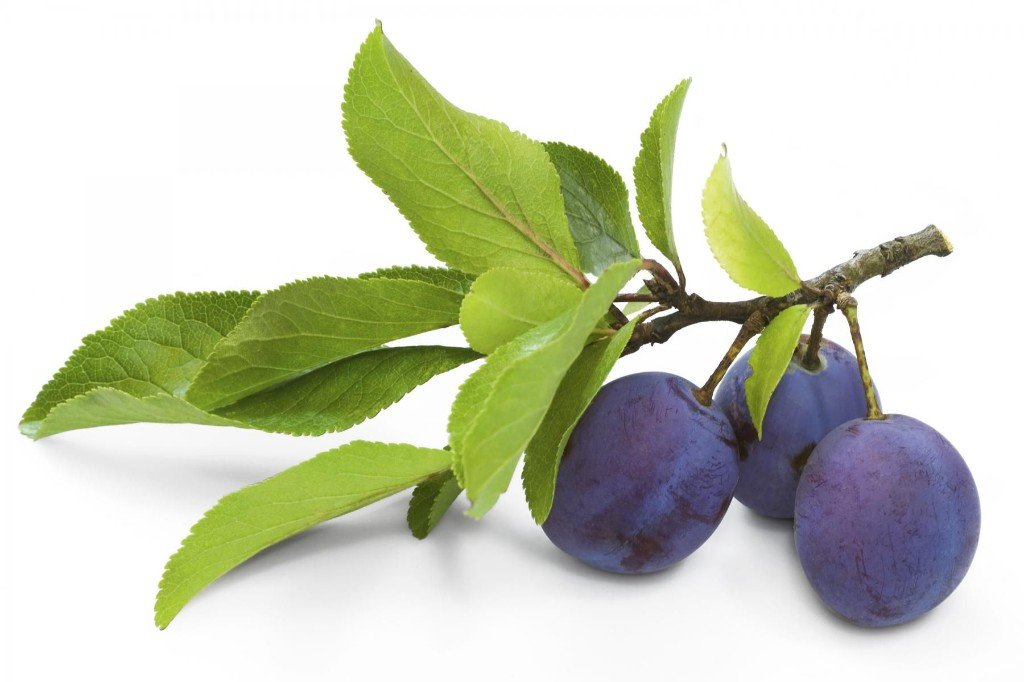
Pygeum africanum, commonly known as African plum tree, is a plant traditionally used in African herbal medicine.
Extracts from its bark have been studied for urinary and prostate-related concerns. Research has explored whether pygeum may support comfortable urinary function and related symptoms.
Although research has identified potentially useful effects, the evidence is not strong enough to consider pygeum a replacement for medical treatment.
Stinging Nettle
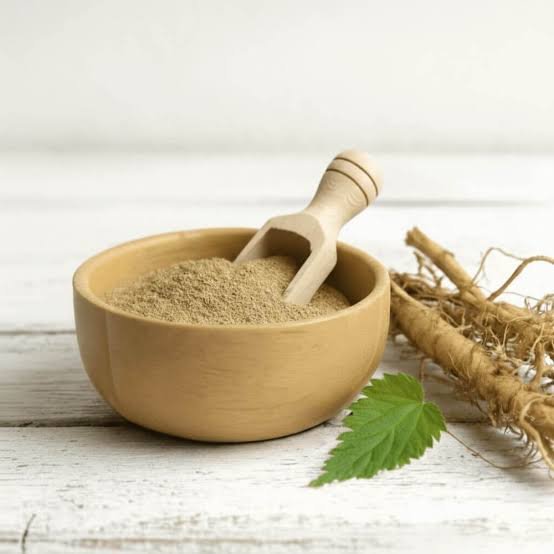
Stinging nettle, or Urtica dioica, is a plant traditionally used in herbal medicine.
Its roots have been studied for their potential relationship with urinary function and prostate wellness. Some research has investigated nettle extracts in men experiencing lower urinary tract symptoms.
The findings are interesting but do not establish stinging nettle as a cure or treatment for prostate conditions.
Boron
Boron is a trace mineral found naturally in foods such as fruits, vegetables, nuts, and legumes.
Researchers have explored the relationship between dietary boron and various aspects of human health, including hormone-related and metabolic processes.
However, research on boron and prostate health is still developing, and more evidence is needed before drawing strong conclusions about supplementation.
Panax Ginseng
Panax ginseng is an herbal ingredient traditionally used in Asian medicine and widely studied for its relationship with energy, vitality, and general wellness.
Research has investigated ginseng for several aspects of health, although evidence varies depending on the specific use and preparation.
Within a men's wellness formula, Panax ginseng may provide broader nutritional and vitality-oriented support rather than serving as a direct treatment for prostate conditions.
Lycopene
Lycopene is a naturally occurring carotenoid found in foods such as tomatoes, watermelon, and pink grapefruit.
It has antioxidant properties and has been studied extensively in relation to men's health, including prostate wellness.
Observational research has explored associations between dietary lycopene intake and prostate health, although this does not prove that lycopene supplementation prevents prostate disease.
Including lycopene-rich foods as part of a balanced diet can be a practical way to obtain this nutrient.

Vitamin E
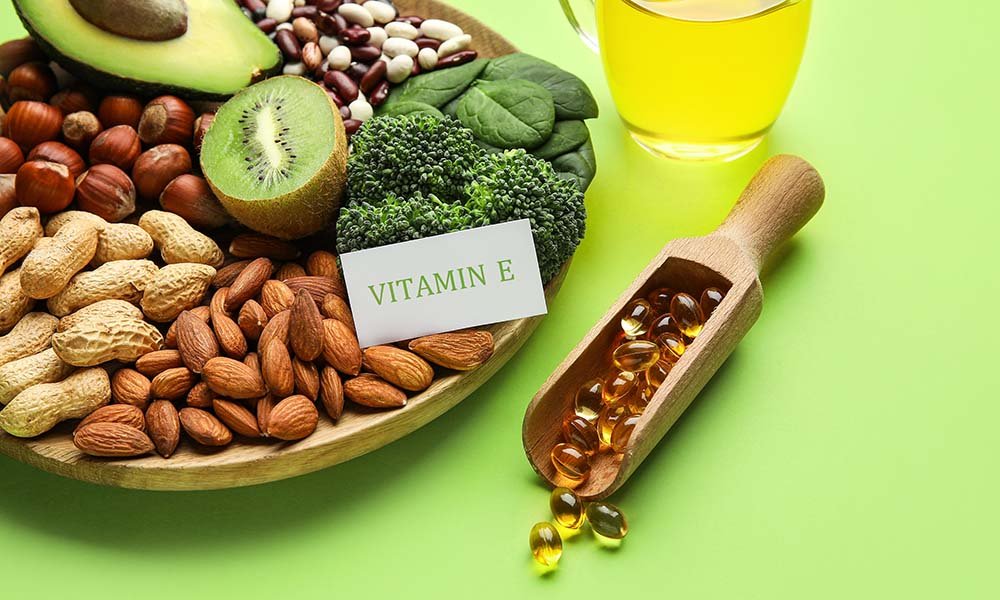
Vitamin E is a fat-soluble vitamin with antioxidant activity. It helps protect cells from oxidative damage as part of normal biological processes.
Vitamin E is found in foods including nuts, seeds, vegetable oils, and some leafy green vegetables.
Although antioxidants have an important role in nutrition, supplementation is not automatically better than obtaining nutrients through a balanced diet. The appropriate amount can depend on an individual's overall diet and health needs.
Grapeseed Extract
Grapeseed extract is derived from grape seeds and contains naturally occurring plant compounds called proanthocyanidins.
These compounds have antioxidant properties and have been studied for their potential role in supporting general cellular and cardiovascular wellness.
Research specifically focused on prostate health is more limited, so grapeseed extract is best considered a potentially supportive component of broader nutritional wellness.
Review how Youthful Prostate combines these eight ingredients.
Explore Youthful Prostate Ingredients→Introducing Youthful Prostate
For men interested in nutritional support for prostate and men's wellness, Youthful Prostate is a dietary supplement formulated with a combination of botanical ingredients, nutrients, and plant compounds.
The formula contains:
- Saw palmetto
- Pygeum africanum
- Stinging nettle
- Boron
- Panax ginseng
- Lycopene
- Vitamin E
- Grapeseed extract
The combination is designed to support men's prostate wellness, urinary comfort, and healthy aging as part of a broader wellness routine.
Rather than focusing on a single ingredient or biological pathway, a combination formula can provide several nutritional components in one convenient supplement.
However, it is important to remember that a dietary supplement is not a substitute for diagnosis or medical treatment. The ingredients in Youthful Prostate may be potentially supportive, but they should not be presented as a way to treat or prevent prostate disease.
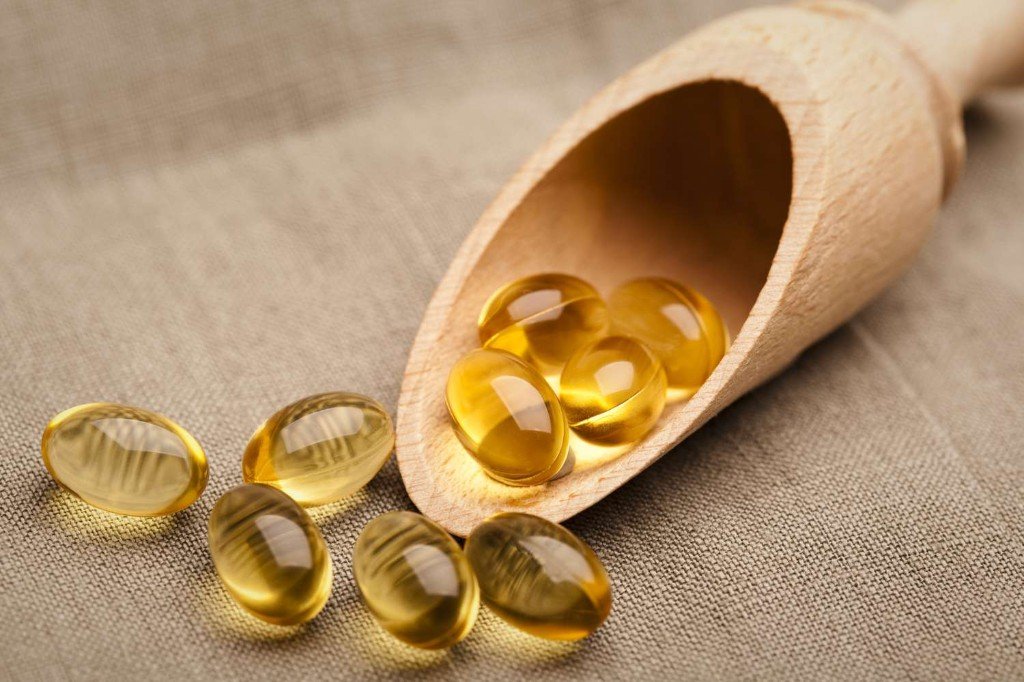
Want to check the current Youthful Prostate details?
Check the Current Offer→What Should You Consider Before Choosing a Prostate Supplement?
Not all supplements are formulated or manufactured in the same way. Before choosing a prostate supplement, consider several practical factors.
Ingredient Quality
Look for clearly identified ingredients and reputable ingredient sources. Botanical extracts can vary depending on how they are processed and standardized.
Dosage Transparency
A quality supplement should clearly communicate the amount of each active ingredient rather than relying only on a proprietary blend.
Manufacturing Standards
Consider whether the manufacturer follows appropriate quality and manufacturing practices.
Third-Party Testing
Independent testing can provide additional information about product identity, purity, and quality when such testing is available.
Your Individual Health Needs
A supplement that fits one person's routine may not be appropriate for another. Age, diet, existing conditions, medications, and nutritional needs all matter.
Possible Medication Interactions
Some herbs and nutrients can interact with medications. If you take prescription medicines or regularly use other supplements, discuss the ingredients with a healthcare professional before starting a new product.
When Should You Talk to a Doctor?
Urinary symptoms should not automatically be blamed on DHT, aging, or an enlarged prostate.
Talk with a healthcare professional if urinary changes are persistent, worsening, painful, or interfering with daily life or sleep.
Seek prompt medical attention for symptoms such as:
- Blood in the urine
- Inability to urinate
- Fever or chills accompanied by urinary symptoms
- Severe or unusual pain
- A sudden and significant change in urinary function
A healthcare professional can determine what may be contributing to symptoms and whether further evaluation is appropriate.
This is particularly important because similar urinary symptoms can have different causes, and some conditions require medical treatment.
Final Takeaway
So, how does DHT affect prostate health as men age?
DHT is an important androgen that acts on prostate tissue and plays a role in prostate growth and function. Its relationship with age-related prostate changes has been extensively studied, particularly in the context of BPH.
However, prostate wellness involves much more than DHT alone. Age, genetics, nutrition, physical activity, body weight, metabolic health, inflammation, and other lifestyle factors can all contribute to men's overall health.
A balanced approach may include regular physical activity, nutritious foods, healthy lifestyle habits, appropriate medical checkups, and informed decisions about dietary supplements.
Youthful Prostate is one dietary supplement option designed to provide nutritional support for prostate wellness, urinary comfort, and healthy aging through a combination of botanical ingredients and nutrients. It can be part of a healthy routine, but it should not replace professional medical advice or treatment.
Interested in learning more?
Ready to learn more about Youthful Prostate?
Learn More About Youthful Prostate→Disclaimer: This content is for educational purposes only and is not intended to diagnose, treat, cure, or prevent any disease. Speak with a qualified healthcare professional about persistent or concerning symptoms and before starting a new dietary supplement.