
Joint comfort and mobility can become more important as we get older. Everyday activities such as walking, climbing stairs, exercising, gardening, or simply getting up from a chair can feel different when joints are not moving as comfortably as they once did.
Many people therefore look for ways to support their joints beyond exercise and healthy eating. One area that has attracted considerable interest is the use of plant-based ingredients such as turmeric and Boswellia serrata.
Both ingredients have a long history of traditional use and have also been studied for their potential role in supporting joint comfort and mobility. But what does the research actually say? And how might these ingredients fit into a broader approach to healthy joints?
Let's take a closer look.
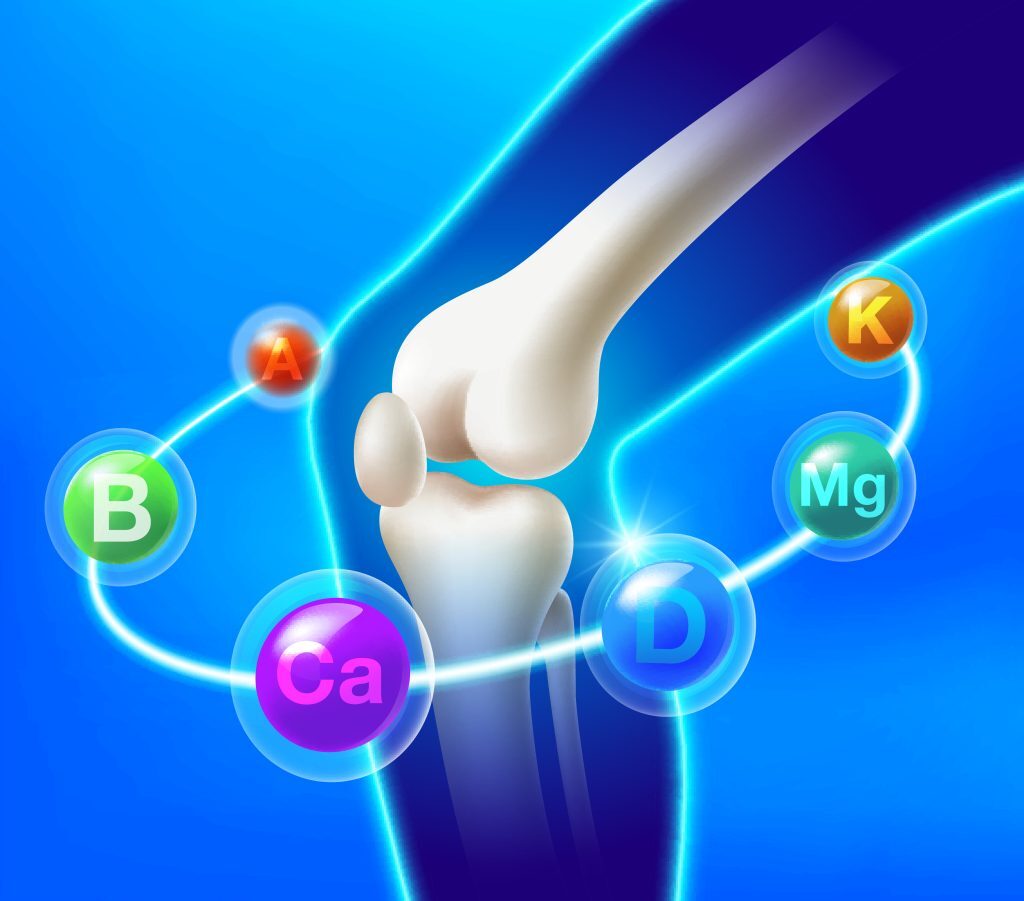
What Are Turmeric and Boswellia?
Turmeric: More Than Just a Kitchen Spice
Turmeric is a bright yellow-orange spice derived from the root of Curcuma longa, a plant belonging to the ginger family.
It has been used traditionally in Indian and other Asian health practices for centuries. Today, turmeric is commonly found in foods, beverages, and dietary supplements.
One of the main compounds in turmeric is curcumin, a group of naturally occurring compounds responsible for much of turmeric's characteristic color and the subject of considerable scientific research.
When people talk about turmeric for joint health, they are often referring specifically to curcumin or standardized turmeric extracts rather than simply the amount of turmeric used in cooking.
What Is Curcumin?
Curcumin is one of the best-studied compounds found in turmeric.
Researchers have investigated curcumin for a variety of potential biological effects, including its interaction with pathways involved in the body's inflammatory response.
However, an important distinction is necessary: research on a particular compound does not automatically mean that taking a supplement will produce the same results for everyone.
Curcumin also has relatively low natural absorption when consumed by itself. For this reason, some supplements use specialized formulations or combine curcumin with other ingredients intended to improve its bioavailability.
The specific form, amount, formulation, and quality of a supplement can therefore matter.
What Is Boswellia Serrata?
Boswellia serrata is a tree native to parts of India and other regions of South Asia and Africa.
The tree produces an aromatic resin that has been used traditionally for centuries. Today, Boswellia resin extracts are commonly included in supplements designed to support joint health.
Boswellia contains naturally occurring compounds called boswellic acids. Researchers have investigated these compounds for their potential effects on biological pathways associated with inflammation.
This is one reason Boswellia for joints has become a popular topic among people interested in natural joint support.
As with turmeric and curcumin, however, research findings should be viewed as evidence about potential effects—not as a guarantee that an ingredient will produce a particular outcome.

Why Are Turmeric and Boswellia Used for Joint Support?
Healthy joints naturally experience mechanical stress from everyday movement.
Walking, running, lifting, exercising, and other activities all place demands on the body's joints. At the same time, factors such as age, body weight, previous injuries, activity levels, and overall lifestyle can influence how comfortable and mobile a person feels.
Turmeric and Boswellia are commonly used in joint-support formulas because researchers have explored how compounds within these plants interact with pathways involved in the body's normal inflammatory processes.
This has led to interest in their potential role in supporting:
- Everyday joint comfort
- Normal mobility
- Flexibility
- An active lifestyle
- General joint wellness
It is important to remember that dietary supplements are not a replacement for medical care when someone has persistent, severe, or unexplained joint symptoms.
Curious about a formula that includes turmeric/curcumin and Boswellia?
Learn More About Youthful Joints→What Does the Research Say About Curcumin and Joint Support?
Research into curcumin and joint health has produced some interesting findings.
Several clinical studies and reviews have explored whether curcumin preparations may help support comfort and physical function in people experiencing joint-related symptoms. Some research has reported improvements in measures such as perceived discomfort or physical function compared with placebo.
However, studies have varied considerably in their design, curcumin preparation, dosage, duration, and participants.
That means it is difficult to make a single conclusion that applies to everyone.
The evidence is best described as promising but not definitive. Curcumin may have a role in supporting joint comfort for some people, but more high-quality research is needed to understand which formulations and doses are most useful and for whom.
This distinction is particularly important when reading supplement advertising. A research study showing a potential benefit is not the same thing as proof that a specific commercial supplement will deliver the same result.
What Does the Research Say About Boswellia for Joints?
Boswellia has also been investigated for its potential role in joint support.
Some clinical research involving Boswellia extracts has reported improvements in measures of joint comfort and physical function. Researchers have particularly investigated standardized Boswellia preparations containing boswellic acids.
As with curcumin, however, the evidence has limitations.
Different studies have used different extracts, amounts, study populations, and research methods. Some studies are relatively small, making it difficult to draw broad conclusions.
Overall, Boswellia is an interesting ingredient with traditional use and emerging scientific evidence, but it should not be presented as a guaranteed solution for joint problems.

Could Combining Turmeric and Boswellia Make Sense?
Because turmeric and Boswellia contain different naturally occurring compounds, they are sometimes combined in dietary supplements.
The basic idea is straightforward: rather than relying on one botanical ingredient, a formula can provide multiple ingredients that have each been studied for their potential contribution to joint wellness.
This is sometimes referred to as a multi-ingredient approach to natural joint support.
However, it is important not to assume that combining ingredients automatically makes a supplement more effective. The quality of the evidence for the specific combination, as well as the amounts and formulations used, still matters.
A well-designed supplement should ideally provide transparent information about its ingredients and amounts rather than relying only on broad marketing language.
Review Youthful Joints ingredients and current product information.
Explore Youthful Joints Ingredients→What Else Can Affect Joint Health?
Supplements are only one possible part of a healthy-joint strategy.
Your everyday habits can have a significant influence on mobility and overall musculoskeletal health.
1. Stay Physically Active
Regular movement helps maintain strength, flexibility, balance, and physical function.
Low-impact activities such as walking, cycling, swimming, stretching, or appropriate strength exercises can be useful options depending on your individual needs and fitness level.
The key is consistency rather than trying to do too much at once.
2. Maintain a Healthy Weight
Body weight can influence the amount of mechanical load placed on weight-bearing joints.
For people who are above their preferred healthy weight, gradual and sustainable weight management may be one part of a broader joint-health strategy.
A balanced diet and regular physical activity are generally more sustainable than extreme diets.
3. Don't Ignore Strength Training
Strong muscles help support movement and everyday physical activities.
Strength exercises can help maintain muscle mass and physical function as we age. Beginners should start gradually and use appropriate technique.
If you have an existing injury or medical condition, getting guidance from a qualified healthcare professional or physical therapist may be appropriate.
4. Eat a Balanced Diet
Nutrition provides the building blocks the body needs for normal tissue maintenance.
A varied diet containing vegetables, fruits, whole grains, legumes, nuts, seeds, lean protein sources, and healthy fats can contribute to overall wellness.
Rather than focusing on a single "superfood," think about the quality of your overall eating pattern.
5. Give Your Body Time to Recover
Exercise is valuable, but recovery matters too.
Repeatedly pushing through intense activity without adequate rest may make it harder to maintain a consistent exercise routine.
Adequate sleep, rest days, hydration, and sensible increases in exercise intensity can all support an active lifestyle.

Where Does Youthful Joints Fit In?
For people looking for a convenient way to include botanical ingredients in their daily wellness routine, Youthful Joints is a dietary supplement designed around ingredients associated with joint support.
Its formula includes turmeric/curcumin and Boswellia, two ingredients that have attracted scientific interest for their potential role in supporting joint comfort and mobility.
The concept behind a formula like this is not to replace healthy habits, but to complement them.
Instead of viewing a joint-support supplement as a standalone solution, it can be considered alongside regular movement, balanced nutrition, healthy weight management, adequate recovery, and other lifestyle habits.
As with any dietary supplement, it is worth reviewing the complete ingredient label, serving size, and manufacturer information before deciding whether a product is appropriate for you.
Want to see the current Youthful Joints offer?
Check the Current Offer→What Should You Look for in a Joint-Support Supplement?
If you're comparing supplements, consider several factors rather than focusing only on the product's headline ingredient.
Transparent Ingredients
Look for a product that clearly identifies its ingredients and provides useful information about the formulation.
Appropriate Formulations
The form of an ingredient can influence how it behaves in the body. For botanical ingredients, standardized extracts may provide more consistent amounts of particular compounds than unstandardized plant material.
Reasonable Expectations
Be cautious of products that promise dramatic or immediate results.
Joint health is influenced by many factors, and no single supplement can guarantee a particular outcome.
A Broader Wellness Strategy
The best approach to healthy mobility generally involves more than supplementation.
Regular movement, strength, flexibility, nutritious food, healthy body weight, sleep, and appropriate recovery can all contribute to maintaining an active lifestyle.

A Few Important Considerations
Although turmeric and Boswellia are commonly used in dietary supplements, "natural" does not automatically mean that an ingredient is appropriate for everyone.
If you take prescription medications, have an existing medical condition, are pregnant or breastfeeding, or are preparing for surgery, speak with a qualified healthcare professional before starting a new dietary supplement.
It is also important to seek professional advice if joint discomfort is persistent, severe, follows an injury, or is accompanied by symptoms such as significant swelling, redness, warmth, fever, weakness, or unexplained changes in mobility.
Supplements should complement appropriate healthcare—not delay it.
The Bottom Line
So, can turmeric and Boswellia support joint comfort?
Research suggests that both ingredients are worth investigating. Curcumin, the best-known compound in turmeric, has been studied for its potential effects on joint comfort and physical function. Boswellia serrata has also been investigated for its potential role in supporting joint wellness.
The evidence is encouraging in some areas, but it is not conclusive enough to describe either ingredient as a cure or guaranteed solution for arthritis or other joint conditions.
For people interested in curcumin and joint support, Boswellia for joints, and broader natural joint support, these ingredients may be worth considering as part of a balanced wellness routine.
Products such as Youthful Joints, which incorporate turmeric/curcumin and Boswellia into a broader joint-support formula, may provide a convenient option for people who want to explore botanical ingredients as part of their daily routine.
The most important thing is to keep expectations realistic. Supporting healthy joints is usually a long-term process—not something that depends on one ingredient or one product.
If you're considering Youthful Joints, take a closer look at its current ingredient list, serving information, and product details to decide whether it fits your personal wellness goals.
Healthy mobility starts with the everyday choices you make—and supplements can be one piece of that bigger picture.
Ready to review Youthful Joints for yourself?
Learn More About Youthful Joints→Supplement Disclaimer
Youthful Joints is a dietary supplement and is not intended to diagnose, treat, cure, or prevent any disease or medical condition. Individual responses to supplements can vary. Consult a qualified healthcare professional before using any dietary supplement, particularly if you are pregnant, nursing, taking medication, or managing a medical condition.