
As we get older, it is natural to become more interested in maintaining memory, focus, mental clarity, and overall brain health. An occasional forgotten name or misplaced item is usually nothing to panic about, but persistent changes in thinking or memory deserve attention.
Nutrition is one part of a broader approach to healthy cognitive aging. Along with adequate sleep, regular physical activity, stress management, social connection, and a balanced diet, certain nutrients and plant compounds have attracted scientific interest for their potential role in cognitive wellness.
Three ingredients often discussed in this area are Bacopa monnieri, Ginkgo biloba, and phosphatidylserine. Each has a different history and biological role, and research into their potential cognitive benefits is ongoing.
So, what should you actually know about them—and how might a formula such as Youthful Greens Plus fit into a healthy lifestyle?

Why Cognitive Wellness Matters as We Age
The brain remains active throughout life. It is responsible for memory, attention, learning, decision-making, communication, and countless everyday tasks.
Some changes in mental performance can occur with normal aging. You may occasionally need more time to recall a name, learn something new, or switch between tasks.
However, cognitive health is influenced by much more than age alone.
Sleep quality, physical activity, nutrition, stress, alcohol consumption, certain medications, cardiovascular health, and other lifestyle factors can all influence how we feel and function mentally.
Modern life can add another challenge. Constant notifications, multitasking, emails, social media, and prolonged screen use can contribute to feelings of mental fatigue or distraction. While the source material describes this as "digital brain drain," it is more useful to think of the issue in terms of cognitive overload and mental fatigue rather than treating digital exposure as a proven cause of brain damage.
That distinction matters. Not every feeling of brain fog means something is medically wrong, and supplements should not be viewed as a solution for unexplained or persistent cognitive problems.

What Are Bacopa, Ginkgo, and Phosphatidylserine?
These three ingredients are frequently found in supplements marketed for cognitive support, but they are quite different from one another.
Bacopa Monnieri: An Herb Traditionally Used for Cognitive Support
Bacopa monnieri, sometimes simply called Bacopa, is a plant that has a long history of traditional use in Ayurvedic practices.
Its active compounds, particularly bacosides, have been investigated for their potential effects on memory, learning, attention, and stress-related processes.
Some clinical research has explored whether Bacopa supplementation may support aspects of memory and cognitive performance. However, findings across studies are not uniform, and factors such as dosage, extract quality, study duration, and participant characteristics can affect results.
For that reason, it is more accurate to describe Bacopa as an ingredient with promising research interest rather than guaranteeing that it will improve memory.
Ginkgo Biloba: A Plant With a Long Research History
Ginkgo biloba comes from the leaves of the ginkgo tree, one of the oldest living tree species.
Ginkgo extracts contain compounds such as flavonoids and terpenoids. Researchers have studied their antioxidant properties and potential effects on circulation and neurological function.
Ginkgo has been widely investigated in relation to cognitive health, particularly in older adults. However, research has produced mixed results depending on the population and the outcome being measured.
This is an important reminder that an ingredient can have a long history of research without there being a simple conclusion that it improves cognition for everyone.
Ginkgo may therefore be considered a potential cognitive-support ingredient, but it should not be presented as a treatment for dementia or other neurological diseases.
Phosphatidylserine: A Component of Cell Membranes
Phosphatidylserine is different from Bacopa and Ginkgo because it is a phospholipid naturally found in cell membranes.
The brain contains significant amounts of phospholipids, and phosphatidylserine has been studied for its role in maintaining normal cellular structure and communication.
Research has examined phosphatidylserine supplementation in areas such as memory, attention, and age-related cognitive changes. Some studies have reported potential benefits, while evidence overall remains mixed and depends on the population and formulation studied.
Rather than viewing phosphatidylserine as a "memory booster," it is more appropriate to understand it as a nutritional compound involved in normal cellular function that has been investigated for cognitive support.
Curious how these ingredients appear in Youthful Greens Plus?
Learn More About Youthful Greens Plus→Why Combining Different Ingredients May Be Appealing
Bacopa, Ginkgo, and phosphatidylserine approach cognitive wellness from different nutritional perspectives.
Bacopa is a botanical traditionally associated with memory and learning. Ginkgo has been investigated for its antioxidant and circulatory properties. Phosphatidylserine is a structural component associated with cell membranes.
This difference is one reason combination formulas are popular.
However, combining ingredients does not automatically mean that they work better together. A formula should be evaluated based on the quality and amount of each ingredient, the specific extract used, potential interactions, and the available evidence.
More ingredients are not necessarily better.
Other Nutritional Factors That Matter for Brain Health
Cognitive wellness does not depend on a single herb or supplement.
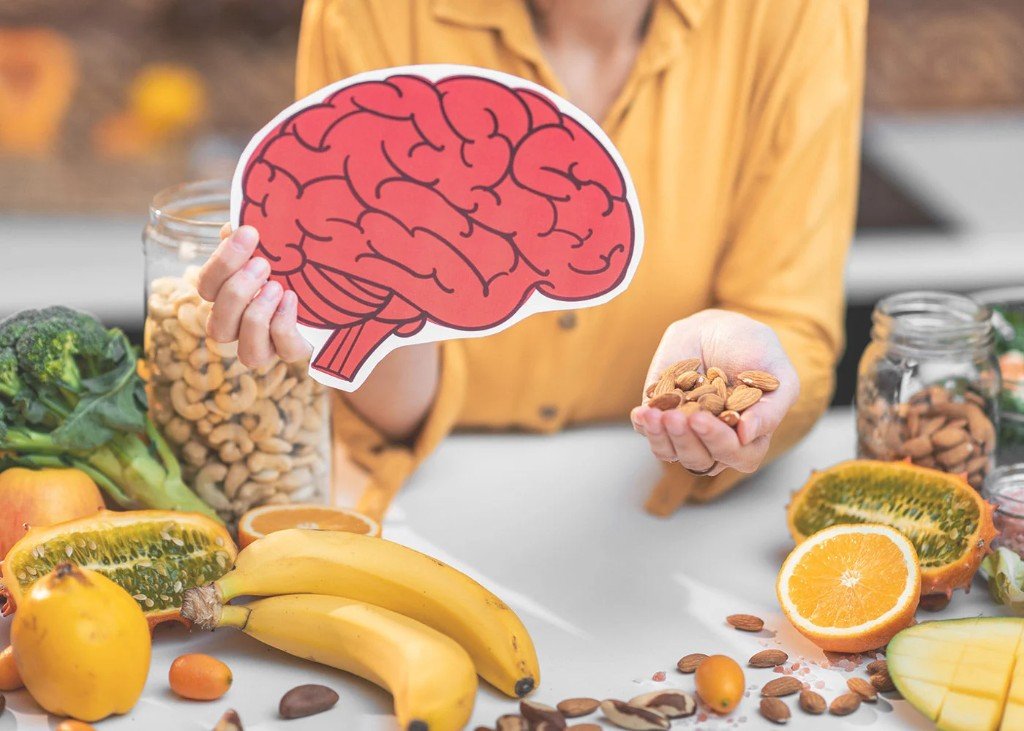
A varied diet provides many nutrients that support normal neurological and metabolic function. Depending on individual dietary patterns, important nutrients can include B vitamins, vitamin D, magnesium, omega-3 fatty acids, protein, antioxidants, and other micronutrients.
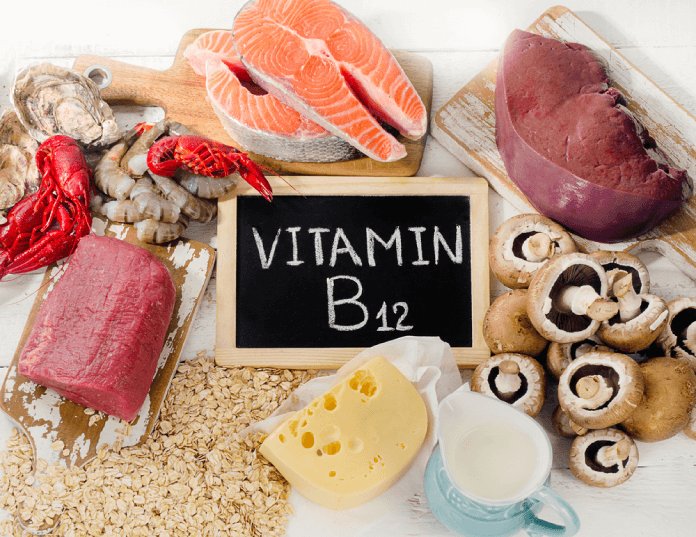
Vitamin B12 is particularly important because it supports normal nerve function and red blood cell formation. Low B12 status can be associated with neurological symptoms, making adequate intake important.
Hydration and sufficient overall energy intake also matter. The brain requires a continuous supply of energy and nutrients to function normally.
Instead of looking for one "miracle" ingredient, it makes more sense to consider the overall nutritional pattern.
Lifestyle Habits Can Make a Big Difference
Before considering a supplement, start with the fundamentals.
Prioritize Quality Sleep
Poor sleep can affect attention, mood, memory, and daytime alertness. Establishing a consistent sleep schedule and creating a comfortable sleep environment can support better rest.
Stay Physically Active
Regular physical activity benefits cardiovascular and overall health and is an important component of healthy aging. Activities such as walking, cycling, swimming, strength training, or other enjoyable movement can help you stay active.
Eat a Varied Diet
Build meals around vegetables, fruits, whole grains, legumes, nuts, seeds, healthy sources of protein, and other nutrient-rich foods.
A varied diet provides a broader range of vitamins, minerals, and plant compounds than relying on a single supplement.
Manage Mental Overload
If constant notifications and multitasking leave you mentally exhausted, consider practical boundaries.
Turning off unnecessary notifications, taking screen breaks, focusing on one task at a time, and creating periods without digital interruptions may make daily life feel less mentally demanding.
Keep Your Mind Engaged
Learning new skills, reading, playing music, having conversations, pursuing hobbies, and maintaining social connections can all contribute to an active and engaged lifestyle.
The goal isn't to "exercise away" aging. It is to maintain a lifestyle that supports overall physical, emotional, and cognitive well-being.

Review how Youthful Greens Plus combines Bacopa, Ginkgo, phosphatidylserine, and more.
Explore Youthful Greens Plus Ingredients→What About Youthful Greens Plus?
For people looking for nutritional support in addition to healthy lifestyle habits, Youthful Greens Plus is one formula that combines several ingredients associated with cognitive and general wellness.
According to the supplied product information, Youthful Greens Plus contains Vitamin B12, Bacopa Herb Extract, Ginkgo Leaf Extract, Phosphatidylserine, and Huperzine A from Chinese club moss.
The product information positions these ingredients around areas such as mental clarity, focus, memory, and overall cognitive wellness.
The important point is that these should be viewed as potential nutritional-support roles, rather than guarantees of a particular outcome.
What Does Youthful Greens Plus Contain?
Based only on the supplied product information, the formula includes:
Vitamin B12
Vitamin B12 supports normal nerve function and is an essential nutrient.
Adequate B12 intake is particularly important because insufficient levels can affect neurological health.
Bacopa Herb Extract
Bacopa is included as a botanical ingredient associated with traditional cognitive support and research into memory and learning.
Ginkgo Leaf Extract
Ginkgo leaf extract has a long history of investigation for cognitive wellness and circulation-related mechanisms.
The evidence is mixed, so it is best considered a potential supportive ingredient rather than a guaranteed cognitive enhancer.
Phosphatidylserine
Phosphatidylserine is a phospholipid associated with cell membrane structure and has been studied in relation to memory and cognitive performance.
Huperzine A
The supplied product information also identifies Huperzine A from Chinese club moss as part of the formula and describes it as being included for cognitive support.
Because Huperzine A can have pharmacological effects and may interact with medications, people taking medications or managing health conditions should discuss its use with a qualified healthcare professional.
How Could Youthful Greens Plus Fit Into a Healthy Routine?
A cognitive-support supplement should ideally complement—not replace—a healthy lifestyle.
For example, someone might focus on eating a varied diet, staying physically active, getting adequate sleep, managing screen-related distractions, and maintaining social and mentally stimulating activities.
A supplement such as Youthful Greens Plus can then be considered as an additional source of selected nutrients and botanical ingredients.
It is also important to follow the product's directions and consider individual circumstances. Natural does not automatically mean risk-free, and herbal ingredients can interact with medications or may not be appropriate for everyone.
Want to check the current Youthful Greens Plus details?
Check the Current Offer→What the Research Really Tells Us
One of the biggest misconceptions in the supplement industry is that evidence for an ingredient automatically proves that a finished product will produce a specific result.
It doesn't.
Research on Bacopa, Ginkgo, and phosphatidylserine provides reasons for scientific interest, but studies differ in their formulations, dosages, populations, and outcomes.
Likewise, a supplement containing several researched ingredients should not automatically be described as clinically proven unless the finished product itself has been appropriately studied.
This evidence-conscious approach helps consumers distinguish between three different ideas:
- Established nutritional roles: What a nutrient is known to do in the body.
- Research-supported potential: What studies suggest an ingredient might support.
- Marketing claims: Statements made to promote a particular product.
Keeping these categories separate makes it easier to make informed decisions.
When Should You Talk to a Healthcare Professional?
Occasional forgetfulness can happen to anyone. But significant or persistent changes in memory, concentration, personality, language, or everyday functioning should not simply be attributed to aging or screen time.
Some cognitive symptoms can have treatable causes, including nutritional deficiencies, sleep problems, medication effects, or other health conditions.
If you or someone close to you is experiencing concerning cognitive changes, speak with a qualified healthcare professional rather than relying on a supplement alone.

The Bottom Line
Bacopa, Ginkgo, and phosphatidylserine are three interesting ingredients frequently used in cognitive-support formulas.
Bacopa has a long history of traditional use and has been studied for memory and learning. Ginkgo has been extensively researched for its potential effects on cognitive and circulatory health. Phosphatidylserine is a naturally occurring phospholipid involved in cell membrane structure and has also been investigated for cognitive support.
The evidence is promising in some areas but not definitive across the board. Healthy cognitive aging is best approached through a combination of nutritious food, regular physical activity, quality sleep, mental engagement, stress management, and appropriate medical care.
For adults interested in adding nutritional support to that foundation, Youthful Greens Plus provides a combination of Vitamin B12, Bacopa Herb Extract, Ginkgo Leaf Extract, Phosphatidylserine, and Huperzine A, according to the supplied product information.
If you're curious about the formula and want to see whether it fits your personal wellness routine, learn more about Youthful Greens Plus and review its ingredients and product information before making a decision.
Ready to learn more about Youthful Greens Plus?
Explore Youthful Greens Plus→Supplement disclaimer: This content is for educational and informational purposes only and is not intended to diagnose, treat, cure, or prevent any disease. Dietary supplements should not replace a balanced diet or professional medical advice.