
For many people, taking care of their heart does not begin with a dramatic lifestyle overhaul. It starts with small decisions—and for some, nutritional support becomes part of that routine. Here is a closer look at what is inside LifePulse and why these ingredients were featured.
Choosing a better meal. Going for a walk instead of staying on the couch. Getting more consistent sleep. Paying attention to blood pressure, energy levels, and overall wellness.
This is where LifePulse enters the conversation. The formula is positioned around seven featured ingredients and nutrients commonly associated with cardiovascular wellness, healthy aging, energy, and overall nutritional support.
But what exactly is inside LifePulse? And why were these particular ingredients included?
Let's take a closer look.
What Is LifePulse?
LifePulse is presented as a nutritional supplement designed to complement a heart-conscious lifestyle.
Rather than focusing on a single nutrient, its formulation features a combination of seven ingredients:
- Black cumin seed (Nigella sativa)
- CoQ10
- Hawthorn berry
- L-arginine
- Olive leaf extract
- Magnesium
- Vitamin B6
The idea behind a multi-ingredient formula is relatively straightforward: different nutrients and botanical compounds may contribute to different aspects of general wellness.
However, it is important not to assume that simply combining ingredients automatically creates a proven "synergy." The individual ingredients have their own research histories, and the evidence for one ingredient cannot automatically be applied to the entire LifePulse formula.
So, what does each ingredient bring to the table?
Want to review the current LifePulse formula and official product details?
Explore the LifePulse Formula→1. Black Cumin Seed (Nigella sativa)
Black cumin seed has a long history of traditional use and has attracted modern scientific interest as well. The plant is commonly known as Nigella sativa, and its seeds contain naturally occurring compounds such as thymoquinone.
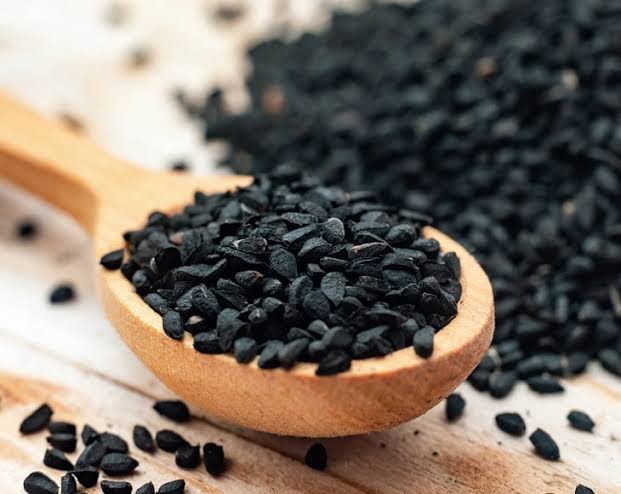
Research has investigated Nigella sativa for several areas of wellness, including antioxidant activity and cardiovascular-related measures. One reason it may appear in a heart-health-oriented formula is its potential role in supporting the body's natural antioxidant defenses and maintaining general cardiovascular wellness.
What to keep in mind
Research surrounding black cumin seed is promising in some areas, but studies vary considerably in design, dosage, and population. That means it is more accurate to say that black cumin seed may support aspects of general wellness than to claim that it prevents or treats cardiovascular disease.
For more research context, read our guide on black cumin seed and heart health.
2. CoQ10
Coenzyme Q10, commonly called CoQ10, is a naturally occurring compound found throughout the body. It plays an important role in cellular energy production, particularly within mitochondria.
The heart is an energy-demanding organ that works continuously, so CoQ10 has attracted considerable interest in nutritional and cardiovascular research. CoQ10 is also known for its antioxidant properties.
For people interested in healthy aging and maintaining everyday energy, CoQ10 can therefore be an appealing nutritional ingredient.
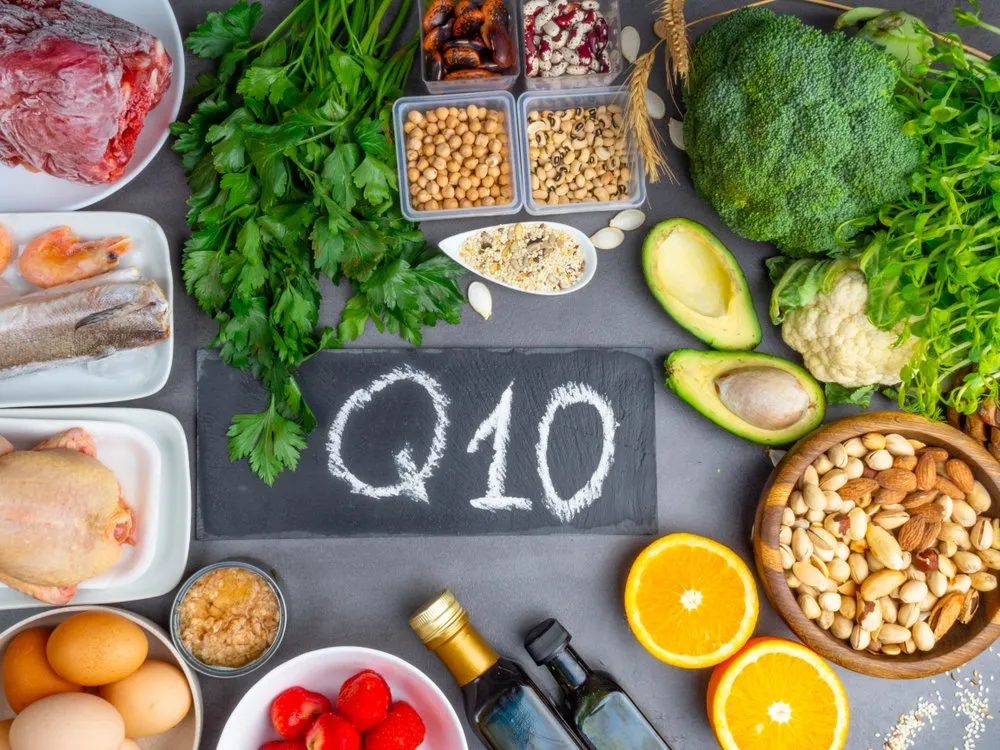
Why is CoQ10 included in LifePulse?
Its inclusion fits with the broader positioning of LifePulse around cellular energy, antioxidant support, healthy aging, and cardiovascular wellness.
Again, these are areas of nutritional interest rather than evidence that LifePulse itself treats a heart condition.
3. Hawthorn Berry
Hawthorn is a botanical that has a particularly long history of traditional use in connection with cardiovascular wellness. The berries, leaves, and flowers of hawthorn plants contain naturally occurring compounds, including flavonoids and other polyphenolic substances.
Modern research has explored hawthorn in relation to cardiovascular function, although the evidence is mixed and depends on the specific preparation and health outcome being studied.
That distinction matters. A study involving a standardized hawthorn extract cannot automatically be used as proof that every hawthorn-containing supplement produces the same effect.
Why might hawthorn be part of the formula?
Its traditional association with heart and circulatory wellness makes it a logical ingredient in a formula positioned around cardiovascular support. The appropriate takeaway is that hawthorn has been researched for cardiovascular-related benefits, not that it is a proven treatment for cardiovascular disease.
4. L-Arginine
L-arginine is an amino acid naturally found in the body and in various foods. One of the reasons L-arginine receives attention in cardiovascular research is its connection to nitric oxide.
Nitric oxide is involved in blood vessel function and vascular signaling. Because of this biological relationship, researchers have investigated L-arginine in several areas involving circulation and cardiovascular health.
This makes L-arginine an interesting component of a formula focused on cardiovascular wellness.
But more isn't always better
The effects of L-arginine supplementation can vary depending on the individual, the amount consumed, existing health conditions, and other factors.
People taking medications or managing cardiovascular or blood-pressure-related concerns should not assume that a supplement containing L-arginine is appropriate for them. Professional medical advice is especially important in those situations.
5. Olive Leaf Extract
Olive leaf extract comes from the leaves of the olive tree. While olive oil is perhaps the most familiar olive-derived food, the leaves contain their own collection of naturally occurring compounds. One of the best-known compounds associated with olive leaves is oleuropein.
Research has examined olive leaf extract for antioxidant properties and its potential relationship with cardiovascular and metabolic health. Its antioxidant characteristics are one reason it fits naturally into a broader wellness formula.
The bigger picture
Olive leaf extract isn't intended to replace a healthy diet rich in vegetables, fruits, whole grains, and other nutrient-dense foods. Instead, its presence in LifePulse reflects the formula's broader emphasis on plant-based compounds and nutritional support.
6. Magnesium
Magnesium is different from the botanical ingredients on this list because it is an essential mineral. The body needs magnesium for numerous biological processes.
It contributes to:
- Normal muscle function
- Normal nerve function
- Energy metabolism
- Electrolyte balance
- Normal protein synthesis
Magnesium is also relevant to cardiovascular wellness because normal muscle and nerve function are important throughout the body. Getting adequate magnesium through food is generally an important part of a balanced diet.
Foods containing magnesium include nuts, seeds, legumes, whole grains, and some leafy green vegetables.
Why add magnesium to a supplement?
For people whose diets do not consistently provide enough magnesium, supplementation can be one way to increase intake. However, individual needs differ, and excessive supplementation isn't necessarily beneficial. People with certain medical conditions or those taking particular medications should discuss magnesium supplementation with a healthcare professional.
7. Vitamin B6
Vitamin B6 is another essential nutrient included in the LifePulse formula. It participates in numerous biological processes, including normal protein and amino-acid metabolism and normal functioning of the nervous system. Vitamin B6 is also involved in normal energy-yielding metabolism.
Because energy and healthy aging are part of LifePulse's broader wellness positioning, vitamin B6 complements the formula's nutritional focus.
Why does this matter for heart health?
It's important not to oversimplify the role of a vitamin. Vitamin B6 isn't a "heart disease cure." Instead, adequate intake contributes to normal physiological functions that support overall health. That distinction helps put supplementation into perspective.
Review LifePulse ingredients, amounts, and official labeling.
Review LifePulse Official Product Information→How Do the Seven LifePulse Ingredients Fit Together?
Looking at the ingredients individually tells only part of the story. LifePulse brings together botanical ingredients, an amino acid, a coenzyme, and essential nutrients.
Here's a simplified look:
| Ingredient | General area of interest |
|---|---|
| Black cumin seed | Antioxidant and general wellness support |
| CoQ10 | Cellular energy and antioxidant support |
| Hawthorn berry | Traditional and researched cardiovascular wellness |
| L-arginine | Nitric oxide and vascular function research |
| Olive leaf extract | Plant-based antioxidant and cardiovascular wellness research |
| Magnesium | Normal muscle, nerve, and energy functions |
| Vitamin B6 | Normal metabolism and nervous-system function |
This doesn't mean that the ingredients have been clinically proven to work together as a single combination. Instead, each ingredient has its own nutritional or research rationale, while the overall formula is positioned as a convenient way to bring several types of nutritional support together.
For a wider nutrient comparison, see 7 nutrients for heart health and our full LifePulse review.
Why Ingredient Quality and Dosage Matter
There's another important part of the supplement conversation that can easily be overlooked: the ingredient name alone doesn't tell the entire story.
For example, two products might both list "hawthorn" or "olive leaf extract," but the actual formulations may differ in extract specifications, amounts, standardization, and manufacturing practices. The same principle applies to vitamins, minerals, and other compounds.
That's why consumers should look beyond a marketing headline and examine the actual supplement facts panel.
Before purchasing or using LifePulse, check:
- The current ingredient list
- Serving size
- Amount of each ingredient
- Suggested use
- Allergen information
- Warnings and precautions
- Manufacturer information
- Any medication or health-condition considerations
The exact formula and serving information should always be verified against the current official LifePulse product label, rather than relying on an older article or promotional page.
Is LifePulse a Replacement for a Healthy Lifestyle?
No. A supplement works best as a potential addition to healthy habits—not as a replacement for them.
Think about someone who decides they want to take better care of their heart. They could start taking a supplement but continue eating poorly, remain inactive, sleep inconsistently, and ignore regular health checkups. That approach misses the bigger picture.
A more balanced strategy might involve:
Eating well + staying physically active + maintaining healthy habits + managing stress + getting appropriate medical care + considering nutritional supplementation when appropriate.
The supplement can be one piece of the puzzle. It shouldn't be the entire puzzle.
If diet is on your mind, see our guide on foods and ingredients that may affect blood pressure.
What Does the Research Really Tell Us?
One of the biggest mistakes in supplement marketing is taking evidence about an individual ingredient and turning it into a guarantee about a finished product.
For example: research suggests that an ingredient may influence a particular biological process. That does not automatically mean a supplement containing that ingredient will prevent a disease. Those are two very different statements.
Research quality also varies. Some ingredients have decades of scientific investigation, while particular uses, doses, combinations, or populations may have much less evidence.
That's why phrases such as "may support," "has been studied for," and "research has explored" are more appropriate than promises of guaranteed results.
Who Might Be Interested in a Formula Like LifePulse?
LifePulse may appeal to adults who are already thinking about their long-term wellness and want to explore nutritional support alongside a healthy lifestyle.
It may be particularly interesting to people researching:
- Heart-conscious nutrition
- Healthy aging
- Antioxidant support
- Everyday energy
- Cardiovascular wellness
- Plant-based nutritional ingredients
But interest doesn't automatically equal suitability. A person's age, medications, existing conditions, diet, and nutritional needs can all affect whether a supplement makes sense.
Review the official LifePulse formula and decide whether its ingredients fit your goals.
View LifePulse Official Product Information→The Bottom Line: What's Inside LifePulse?
LifePulse takes a multi-ingredient approach to nutritional support. Its featured formula includes black cumin seed, CoQ10, hawthorn berry, L-arginine, olive leaf extract, magnesium, and vitamin B6.
Each ingredient has a different nutritional or research background. Some are associated with antioxidant activity. Others are connected with cellular energy, normal physiological functions, vascular research, or traditional cardiovascular wellness.
The most sensible way to look at the formula is not as a magic solution for heart problems, but as a supplement designed to complement broader healthy-lifestyle habits.
If you're considering LifePulse, start by looking at the current label, understanding exactly what you're taking, and considering whether the formula fits your individual nutritional needs.
And remember: supplements can complement healthy habits, but they don't replace a balanced diet, regular physical activity, appropriate medical care, or treatment prescribed by a healthcare professional.
Your heart is worth taking care of every day—not just when a supplement bottle is sitting on the counter.
Ready to look inside LifePulse for yourself?
Explore LifePulse→Related Reading
- Does LifePulse Really Support Heart Health? Ingredients, Benefits & How Does It Work?
- Which 7 Nutrients May Support Heart Health? CoQ10, Magnesium, L-Arginine, Hawthorn & More
- Can Black Cumin Seed Support Heart Health? What Does the Research Say?
- Could These 7 Foods & Ingredients Affect Your Blood Pressure? What Should You Know?