
At 45 or 50, many people start looking at their daily habits a little differently. Nutrition can play an important role—and seven ingredients frequently attract attention: black cumin seed, CoQ10, hawthorn berry, L-arginine, olive leaf extract, magnesium, and vitamin B6.
Introduction: Heart Health Is About More Than One Ingredient
Maybe it's the realization that long workdays don't feel quite as easy as they once did. Perhaps a routine medical checkup prompts a closer look at nutrition, exercise, sleep, stress, or blood pressure.
And then comes the inevitable question:
Is there anything more I should be doing to support my cardiovascular health?
For many adults, the answer begins with the basics: eating a balanced diet, staying physically active, maintaining a healthy weight, getting enough sleep, managing stress, avoiding tobacco, and keeping up with appropriate medical checkups.
Nutrition can also play an important role.
Certain vitamins, minerals, plant compounds, and naturally occurring substances have been studied for their potential relationship with cardiovascular wellness. Seven that frequently attract attention are black cumin seed, CoQ10, hawthorn berry, L-arginine, olive leaf extract, magnesium, and vitamin B6.
These ingredients are also featured in the LifePulse formula.
But there is an important distinction worth making from the beginning: research on an individual ingredient is not the same thing as proof that a particular supplement will produce a specific health outcome.
So let's take a closer look at what these seven ingredients are, why researchers have studied them, and what consumers should realistically know.
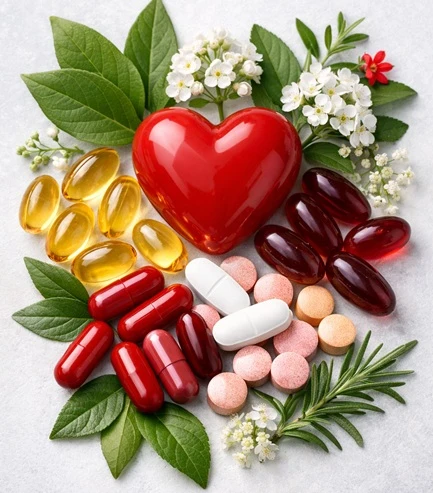
Quick Answer: What Are the 7 Nutrients and Ingredients?
The seven ingredients highlighted in the LifePulse formula are:
- Black cumin seed (Nigella sativa) — a traditional botanical that has been studied for antioxidant and cardiometabolic effects.
- CoQ10 — a naturally occurring compound involved in cellular energy production and antioxidant activity.
- Hawthorn berry — a botanical traditionally associated with cardiovascular wellness and studied particularly in relation to heart function.
- L-arginine — an amino acid involved in the body's production of nitric oxide.
- Olive leaf extract — a botanical source of compounds such as oleuropein that has attracted cardiovascular research interest.
- Magnesium — an essential mineral involved in hundreds of biochemical processes, including normal muscle and nerve function.
- Vitamin B6 — an essential vitamin involved in metabolism, nervous-system function, and numerous enzymatic reactions.
The evidence is not equally strong for all seven, and none should be viewed as a replacement for medical treatment or a healthy lifestyle.
Want to see how these seven ingredients appear together in one formula?
Explore the LifePulse Formula→1. Black Cumin Seed (Nigella sativa)
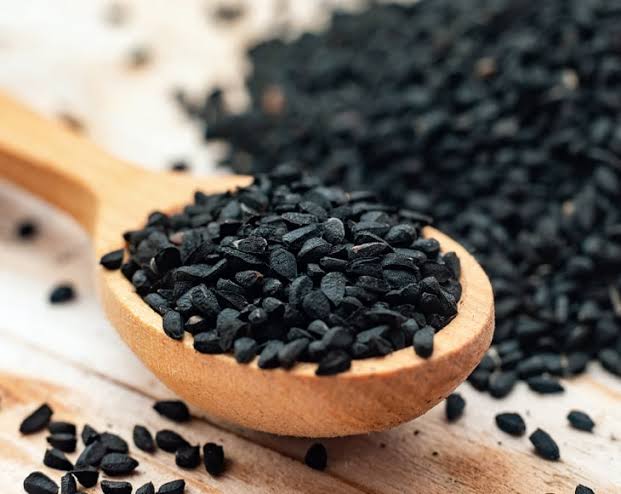
Black cumin seed is one of the more interesting botanicals in this group. Also known as black seed or Nigella sativa, it has a long history of traditional use in different cultures. Modern researchers have become interested in compounds found in the seed, particularly thymoquinone, because of their antioxidant and other biological properties.
Why is it associated with heart health?
Research has explored whether Nigella sativa supplementation may influence several cardiovascular risk factors, including blood pressure, blood glucose, cholesterol, inflammation, and oxidative stress.
A 2025 systematic review and meta-analysis examined 82 studies involving more than 5,000 participants and reported improvements in several cardiometabolic measures, including systolic and diastolic blood pressure and some lipid-related outcomes. However, the researchers also noted that Nigella sativa should be considered a potential adjunct rather than a replacement for established care.
Earlier meta-analyses have also reported modest reductions in blood pressure, although the available trials vary in design, dosage, duration, and quality.
That distinction matters. Promising research does not mean black cumin seed can prevent heart disease or treat hypertension.
What should consumers know?
The evidence is still developing, and research findings don't automatically apply to every black cumin product or dosage. Black cumin seed is included in LifePulse as part of a broader multi-ingredient nutritional approach rather than as a stand-alone treatment.
For a deeper look at the research, read our guide on black cumin seed and heart health.
2. CoQ10
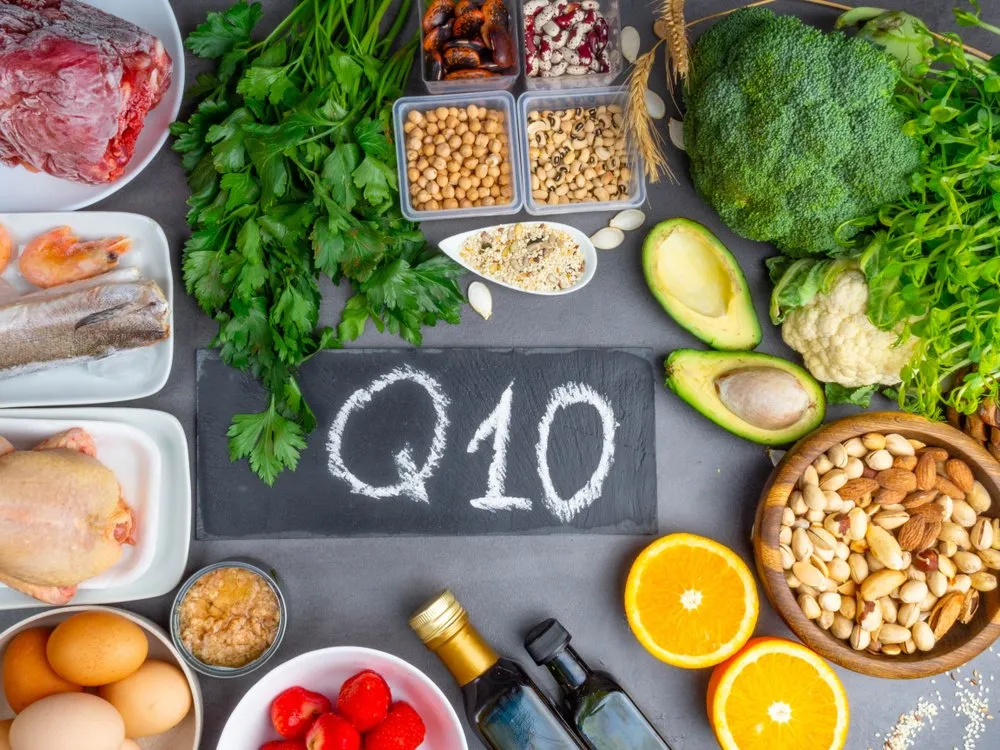
Coenzyme Q10, commonly called CoQ10, is a naturally occurring compound found throughout the body. It plays an important role in mitochondrial energy production—the process cells use to generate energy. It also has antioxidant properties.
Because the heart is an energy-demanding organ, CoQ10 has attracted considerable research interest.
What does the research suggest?
Researchers have investigated CoQ10 in several cardiovascular contexts, including blood pressure and heart function.
A 2022 systematic review examining studies in older adults with cardiovascular disease or hypertension found some potentially beneficial effects, particularly in certain heart-failure-related outcomes, but concluded that the evidence for hypertension was inconclusive and that more research was needed.
More recent evidence is encouraging in some areas. A 2025 meta-analysis of 45 randomized controlled trials found that CoQ10 supplementation was associated with a modest reduction in systolic blood pressure, while effects on diastolic pressure and heart rate were not significant.
So, while CoQ10 is scientifically interesting, it should not be described as a guaranteed blood-pressure solution.
Why is CoQ10 included in LifePulse?
Its role in cellular energy production and antioxidant biology makes it a logical ingredient to investigate in a broader cardiovascular-wellness formula.
3. Hawthorn Berry
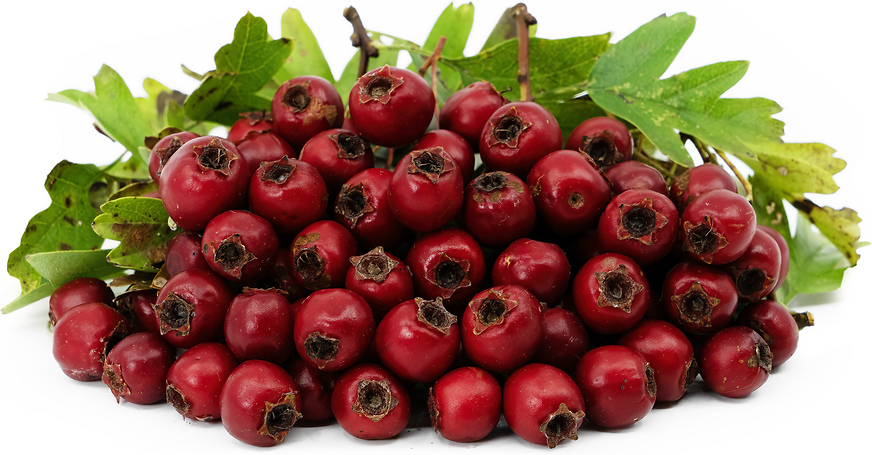
Hawthorn refers to plants in the Crataegus genus. Their berries, flowers, and leaves have a long history of traditional use. Hawthorn has received particular scientific attention because of its historical association with cardiovascular health.
What has been studied?
Researchers have investigated hawthorn extracts in people with cardiovascular conditions, particularly heart failure. A meta-analysis of randomized trials found that certain hawthorn preparations used alongside conventional treatment were associated with improvements in measures such as exercise capacity and symptoms in people with chronic heart failure.
However, this does not mean that hawthorn is appropriate for everyone with heart disease. It also doesn't mean that a hawthorn-containing supplement can replace prescribed treatment.
Why might it be included in a wellness formula?
Hawthorn's long history of traditional use and cardiovascular research make it an ingredient of interest for people exploring nutritional approaches to cardiovascular wellness.
If someone takes heart medication, however, professional guidance is especially important because botanical products can potentially interact with medicines.
4. L-Arginine
L-arginine is an amino acid naturally found in foods and produced by the body. One reason it attracts cardiovascular research interest is its relationship with nitric oxide, a signaling molecule involved in blood-vessel function.
Why does nitric oxide matter?
Healthy blood vessels need to respond appropriately to changes in blood flow and other signals. L-arginine serves as a substrate for nitric oxide production, which is one reason researchers have investigated L-arginine supplementation in relation to vascular function and blood pressure.
But biological plausibility isn't the same as a guaranteed clinical benefit. Research findings can vary depending on the population studied, dosage, duration, and overall health status.
The practical takeaway
L-arginine is an interesting nutritional compound with a plausible role in vascular biology, but consumers should avoid assuming that taking more automatically means better cardiovascular health. More is not always better—particularly with concentrated supplements.
5. Olive Leaf Extract
Olive trees are perhaps best known for their fruit and extra-virgin olive oil, but olive leaves contain their own collection of plant compounds. One of the best-known is oleuropein.
Olive leaf extract has attracted research interest because of its antioxidant properties and potential relationship with cardiovascular and metabolic health.
Why is it interesting?
Oxidative stress is an area of ongoing cardiovascular research. Plant compounds with antioxidant properties are therefore frequently investigated for their potential biological effects. Some human research has also examined olive leaf preparations in relation to blood pressure and metabolic markers.
However, results from a particular olive leaf extract should not automatically be applied to every product containing olive leaf. Extract concentration, preparation, dosage, and study design can all matter.
Where does it fit in LifePulse?
Within a multi-ingredient formula such as LifePulse, olive leaf extract represents the botanical component of the broader nutritional approach. The goal should be to understand the ingredient—not to assume that its presence guarantees a particular result.
6. Magnesium
Unlike the botanical ingredients on this list, magnesium is an essential mineral. Your body needs magnesium for numerous biochemical processes. It contributes to normal muscle and nerve function, energy metabolism, and other physiological processes.
Because cardiovascular function depends on healthy muscle, nerve, and metabolic processes, magnesium naturally attracts attention in discussions about heart health.
Where do we get magnesium?
Food sources include:
- Nuts and seeds
- Beans and legumes
- Whole grains
- Leafy green vegetables
- Some seafood
- Certain fortified foods
This is an important point: supplements are not the only way to obtain magnesium. For many people, a varied diet should remain the foundation of nutritional intake.
Why is magnesium relevant?
Research has explored magnesium intake and supplementation in relation to blood pressure and cardiovascular outcomes. However, individual responses can vary, and supplementation isn't automatically necessary for someone consuming an adequate diet.
A healthcare professional can help determine whether additional magnesium is appropriate, particularly for people with medical conditions or those taking medications.
7. Vitamin B6
Vitamin B6 is another essential nutrient. It participates in numerous enzymatic reactions and contributes to normal protein and carbohydrate metabolism, nervous-system function, and red blood cell formation.
What does vitamin B6 have to do with cardiovascular wellness?
B vitamins have long been studied in connection with cardiovascular health, partly because certain B vitamins participate in pathways involving homocysteine, an amino acid found in the blood.
However, the relationship between vitamin levels, supplementation, and actual cardiovascular outcomes is complex. That means vitamin B6 shouldn't be marketed as a stand-alone solution for preventing cardiovascular disease.
Instead, it is better understood as one component of adequate overall nutrition.
What Makes a Multi-Ingredient Formula Interesting?
At first glance, these seven ingredients may seem unrelated. One is a mineral. Another is a vitamin. Others are botanicals or naturally occurring compounds.
So why put them together?
The basic concept behind a formula such as LifePulse is to provide a broader nutritional approach rather than focusing on a single ingredient.
The formula features black cumin seed, CoQ10, hawthorn berry, L-arginine, olive leaf extract, magnesium, and vitamin B6. Each has a different biological role or research history.
However, it's important not to jump from "these ingredients have been studied" to "the combination is clinically proven to work better."
Unless a specific finished-product clinical trial demonstrates a particular outcome, the evidence for individual ingredients should remain separate from claims about the complete formula.
Review LifePulse ingredients, amounts, and official product details.
Review LifePulse Official Product Information→7 Nutrients Compared
| Nutrient / Ingredient | What It Is | Heart-Health Interest | Key Consideration |
|---|---|---|---|
| Black Cumin Seed | Botanical seed from Nigella sativa | Studied for cardiometabolic and antioxidant-related effects | Human evidence is promising but still developing |
| CoQ10 | Naturally occurring cellular compound | Involved in energy production and antioxidant activity | Research findings vary by population and outcome |
| Hawthorn Berry | Botanical from Crataegus species | Traditionally associated with cardiovascular wellness | May interact with medications |
| L-Arginine | Amino acid | Precursor involved in nitric oxide production | Effects may depend on individual circumstances |
| Olive Leaf Extract | Botanical extract | Studied for antioxidant and cardiovascular-related effects | Extracts and doses vary |
| Magnesium | Essential mineral | Supports normal muscle, nerve, and metabolic function | Dietary intake and individual needs matter |
| Vitamin B6 | Essential vitamin | Supports normal metabolism and multiple physiological processes | More isn't necessarily better |
What Does the Research Actually Tell Us?
This is where supplement discussions often become confusing. A headline might say an ingredient "supports heart health," but what does that actually mean?
There are several levels of evidence.
Laboratory research
Scientists can study individual compounds in cells or biochemical systems. This can help researchers understand possible mechanisms. But something that happens in a laboratory does not necessarily happen in the human body.
Animal research
Animal studies can provide additional information about biological mechanisms. However, animals and humans are not interchangeable.
Human studies
Randomized controlled trials provide more direct evidence about what happens when people consume a particular intervention. Even here, researchers must consider number of participants, study duration, dosage, participant characteristics, comparison group, outcome being measured, and quality of the study.
Systematic reviews and meta-analyses
These combine results from multiple studies and can provide a broader picture. For example, recent systematic reviews of Nigella sativa and CoQ10 have found potentially meaningful effects on certain cardiovascular risk factors, but that doesn't establish either ingredient as a treatment for cardiovascular disease.
The most responsible conclusion is that several of these ingredients are scientifically interesting, but evidence strength differs from ingredient to ingredient and outcome to outcome.
Why Lifestyle Still Comes First
A supplement can be part of a wellness routine, but it shouldn't distract from the fundamentals.
Think of cardiovascular wellness as a large picture rather than a single puzzle piece. Important habits include:
- Eating a varied, nutrient-rich diet
- Getting regular physical activity
- Maintaining a healthy weight when appropriate
- Getting adequate sleep
- Managing chronic stress
- Avoiding tobacco
- Limiting excessive alcohol consumption
- Monitoring blood pressure when appropriate
- Keeping regular medical appointments
- Following prescribed treatment plans
For someone concerned about cardiovascular risk, these fundamentals generally deserve far more attention than searching for a single "magic" ingredient.
If you're also looking at dietary patterns, see our guide on foods and ingredients that may affect blood pressure.
Where Does LifePulse Fit In?
LifePulse takes a multi-ingredient nutritional approach, bringing together the seven ingredients discussed above.
For someone researching heart-health supplements, the appeal is relatively straightforward: instead of investigating seven separate products, the formula presents multiple ingredients together in one product.
But convenience shouldn't replace scrutiny.
Before purchasing any supplement, consider:
- What ingredients does it contain?
- Are the amounts clearly disclosed?
- Are you already taking medications?
- Do you have an existing medical condition?
- Are you pregnant or breastfeeding?
- Could any ingredient interact with something else you're taking?
- Is the product appropriate for your individual circumstances?
These questions are especially important for adults who take prescription medications.
Review LifePulse official product information and decide whether the formula fits your routine.
Explore the LifePulse Formula→Who Might Be Interested in a Formula Like LifePulse?
LifePulse may be of interest to adults who are already thinking about their overall cardiovascular wellness and are looking for a nutritional supplement containing a combination of botanical ingredients, vitamins, minerals, and other compounds.
It may appeal particularly to people who prefer a multi-ingredient approach rather than purchasing individual ingredients separately.
But interest is not the same as medical necessity. A supplement should be considered within the context of a person's overall diet, lifestyle, medications, and health circumstances.
What to Consider Before Taking a Heart-Health Supplement
"Natural" doesn't automatically mean "risk-free." Some supplements can interact with medications or affect physiological processes. This is particularly relevant when a formula contains several active ingredients.
Before starting LifePulse—or any cardiovascular-focused supplement—consider speaking with a qualified healthcare professional if you:
- Take blood-pressure medication
- Take heart or cardiovascular medication
- Use blood thinners or antiplatelet medication
- Have a diagnosed cardiovascular condition
- Have kidney or other significant medical conditions
- Are pregnant or breastfeeding
- Take multiple supplements or prescription medicines
And never stop or change prescribed medication because of something you read in an online article.
Frequently Asked Questions
1. What are the best nutrients for heart health?
There isn't one universally "best" nutrient for heart health. Nutrients such as magnesium and vitamin B6 are essential to normal body functions, while compounds such as CoQ10, L-arginine, black cumin seed, hawthorn, and olive leaf extract have been studied for various cardiovascular-related effects. The importance of any individual nutrient depends on diet, health status, nutritional adequacy, and other factors.
2. Is CoQ10 good for heart health?
CoQ10 has been studied because it plays a role in cellular energy production and has antioxidant properties. Research has produced potentially beneficial findings for some cardiovascular outcomes, including systolic blood pressure, but results are not uniform. CoQ10 should be considered nutritional support rather than a replacement for prescribed cardiovascular treatment.
3. What is black cumin seed?
Black cumin seed comes from the plant Nigella sativa. It has a long history of traditional use and contains compounds including thymoquinone. Modern human research has investigated its potential effects on blood pressure, glucose, lipids, inflammation, and other cardiometabolic measures. Evidence is promising in some areas but remains insufficient to describe it as a treatment or cure for cardiovascular disease.
4. Does magnesium support cardiovascular health?
Magnesium is an essential mineral involved in many physiological processes, including normal muscle and nerve function. Adequate magnesium intake is important for overall health. Whether an individual benefits from additional magnesium supplementation depends on their diet, nutritional status, health circumstances, and the amount being consumed.
5. What is hawthorn berry used for?
Hawthorn has traditionally been used for cardiovascular-related purposes and has been studied particularly in people with chronic heart failure. Some clinical research has reported improvements in certain symptoms or functional measures, but hawthorn is not a substitute for conventional medical treatment. It may also interact with medications, making professional guidance important.
6. What does L-arginine do?
L-arginine is an amino acid involved in the body's production of nitric oxide. Because nitric oxide plays a role in blood-vessel signaling, L-arginine has been studied for vascular and cardiovascular effects. However, research outcomes can vary, and taking L-arginine should not be assumed to produce a specific blood-pressure or cardiovascular result.
7. Can supplements replace a healthy diet?
No. Supplements are intended to complement—not replace—a balanced diet and healthy lifestyle. Food provides a broad combination of vitamins, minerals, fiber, protein, healthy fats, and other compounds that are difficult to replicate with a single supplement. Cardiovascular wellness also depends on physical activity, sleep, stress management, and appropriate medical care.
8. Is LifePulse right for everyone?
Not necessarily. A multi-ingredient supplement may be interesting to adults looking for nutritional support, but individual circumstances differ. People taking prescription medications, managing medical conditions, or using multiple supplements should discuss the ingredients with a qualified healthcare professional before starting a new product.
Final Thoughts: Look at the Bigger Picture
Heart health rarely comes down to one nutrient. It is the result of many interconnected factors—diet, movement, sleep, stress, genetics, age, medical history, and appropriate healthcare all play a role.
The seven ingredients discussed here are interesting for different reasons. Black cumin seed has attracted research into cardiometabolic health. CoQ10 is involved in cellular energy production. Hawthorn has a long history of cardiovascular research. L-arginine participates in nitric oxide production. Olive leaf extract provides plant compounds that researchers continue to investigate. Magnesium supports numerous essential physiological processes. And vitamin B6 contributes to normal metabolism and other important functions.
LifePulse brings these ingredients together in one formula designed around nutritional support for cardiovascular wellness.
That doesn't make it a cure, and it doesn't mean everyone needs it. But if you're exploring nutritional approaches to healthy aging, understanding what is actually inside a supplement—and what the research does and doesn't establish—is a much better starting point than chasing dramatic promises.
If you want to learn more about the LifePulse formula, review the official product information carefully and consider whether its ingredients fit your personal wellness goals and circumstances.
Review the official LifePulse formula and decide whether it fits your wellness goals.
View LifePulse Official Product Information→