
Have you noticed that you need to urinate more often than you used to, wake up several times during the night to use the bathroom, or have difficulty getting your urine stream started?
For many men, these changes become more noticeable with age. One common reason is benign prostatic hyperplasia (BPH), a non-cancerous enlargement of the prostate that becomes increasingly common as men get older.
Understanding what BPH is, recognizing its symptoms, and knowing when to talk with a healthcare professional can help men take a more informed approach to prostate wellness.

What Is BPH?
BPH stands for benign prostatic hyperplasia. It occurs when prostate cells increase in number, causing the prostate gland to become enlarged.
The prostate is a small gland located below the bladder and surrounding part of the urethra, the tube that carries urine out of the body. As the prostate grows, it can place pressure on the urethra and affect the normal flow of urine.
BPH is not prostate cancer, and having BPH does not mean that a man has cancer. However, the urinary symptoms associated with an enlarged prostate can affect sleep, daily activities, and overall quality of life.
BPH becomes more common with age, although not every man experiences significant symptoms.
Why Can Prostate Enlargement Affect Urination?
The prostate surrounds part of the urethra. When the prostate becomes enlarged, it can narrow the passage through which urine flows.
The bladder may also have to work harder to push urine through the narrowed passage. Over time, this can contribute to changes in urinary habits.
Some men experience only mild symptoms, while others may develop more noticeable lower urinary tract symptoms.

Common Symptoms of BPH
The symptoms of an enlarged prostate can vary from person to person. Common signs include:
- Frequent urination: Needing to urinate more often than usual.
- Nighttime urination: Waking during the night to urinate, sometimes more than once.
- Urinary urgency: Feeling a sudden or difficult-to-delay need to urinate.
- Weak urine stream: Urine may flow more slowly or with less force.
- Difficulty starting urination: Having trouble getting the urine stream started.
- Intermittent stream: The flow may stop and start during urination.
- Feeling of incomplete emptying: Feeling as though the bladder has not completely emptied.
- Dribbling: A small amount of urine may continue to leak after urination.
Not every urinary symptom is caused by BPH. Urinary tract problems, certain medications, infections, bladder conditions, and other health issues can cause similar symptoms.
Curious how Youthful Prostate supports men’s prostate and urinary wellness?
Learn More About Youthful Prostate→Is Waking Up to Urinate Always a Sign of BPH?
Not necessarily.
Nocturia, or waking during the night to urinate, can occur for several reasons. BPH is one possible contributor, but nighttime urination can also be associated with drinking fluids close to bedtime, certain medications, sleep problems, diabetes, or other conditions.
If nighttime bathroom trips are becoming frequent or interfering with sleep, it is worth discussing the pattern with a healthcare professional rather than assuming that an enlarged prostate is the only explanation.

What Factors May Affect Prostate Wellness?
Age is one of the most important factors associated with BPH, but overall health and lifestyle can also influence urinary and prostate wellness.
Factors worth paying attention to include:
Age and Hormonal Changes
Changes in hormone activity occur naturally as men age. Hormonal signaling involving testosterone and other hormones may contribute to changes in prostate tissue over time.
Researchers have also studied dihydrotestosterone (DHT), a hormone derived from testosterone, in relation to prostate growth.
Diet and Nutrition
A balanced diet provides nutrients that support overall health. A diet rich in vegetables, fruits, whole grains, lean proteins, and healthy fats can contribute to a healthy aging routine.
Nutrients with antioxidant properties, including compounds found in tomatoes and other colorful fruits and vegetables, have also been studied in relation to prostate wellness.
Physical Activity
Regular physical activity supports cardiovascular, metabolic, and overall health. Maintaining an active lifestyle may also be beneficial as part of a broader healthy-aging strategy.
Healthy Body Weight
Maintaining a healthy weight can support metabolic health. Since metabolic health is connected with several aspects of men's health, weight management can be an important part of an overall wellness plan.
Inflammation and Overall Health
Inflammation is another area researchers continue to investigate in relation to prostate health. However, urinary symptoms should not automatically be attributed to inflammation or BPH without appropriate evaluation.
Nutrition and Natural Ingredients Studied for Prostate Wellness
Some dietary ingredients have been researched for their potential role in men's urinary and prostate wellness. The evidence varies considerably from ingredient to ingredient, and supplements should not be considered replacements for medical evaluation or treatment.
Saw Palmetto
Saw palmetto is a plant native to the southeastern United States. Its fruit extract has traditionally been used in products designed for men's urinary and prostate health.
Researchers have studied saw palmetto in men experiencing BPH-related urinary symptoms. However, clinical evidence has been mixed, and research does not establish it as a guaranteed treatment for BPH.
Pygeum africanum
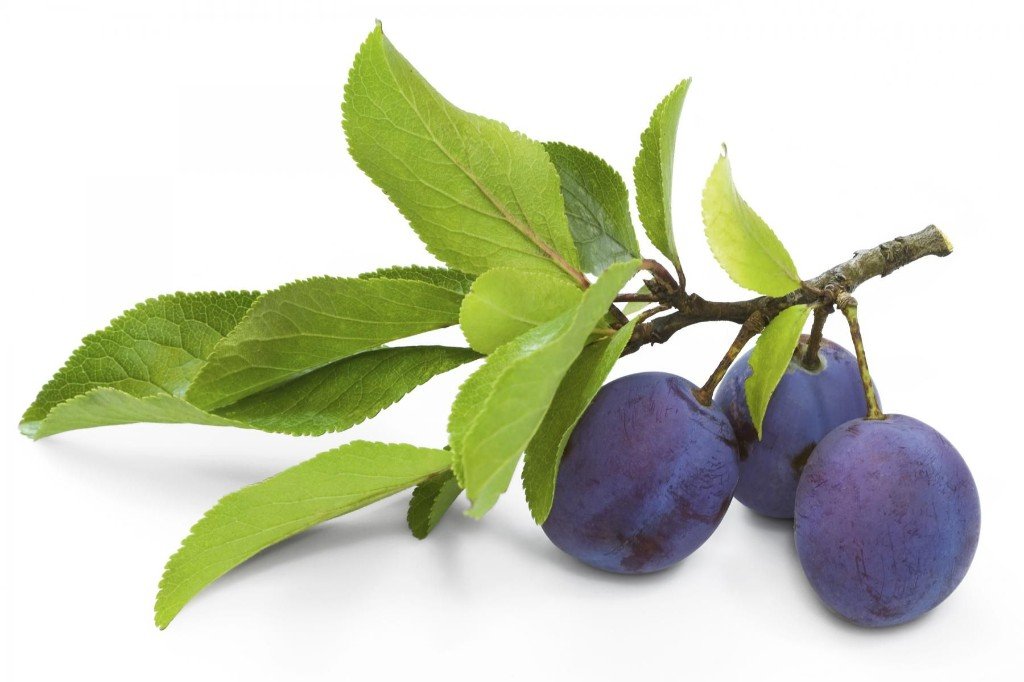
Pygeum africanum, also known as African plum tree extract, comes from the bark of the African plum tree.
It has a history of traditional use for urinary health, and research has explored whether pygeum may support urinary symptoms and comfort in men with prostate enlargement.
As with other botanical ingredients, research findings should be interpreted carefully rather than viewed as proof of a medical outcome.
Stinging Nettle
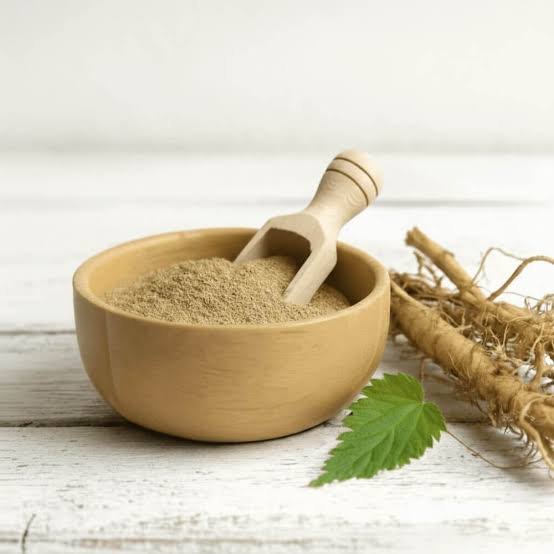
Stinging nettle is a plant that has been traditionally used for various health purposes.
Nettle root has been studied in connection with urinary symptoms associated with BPH. Some research suggests potential supportive effects, although more evidence is needed to establish how effective it may be for individual men.
Boron
Boron is a trace mineral found naturally in foods such as fruits, vegetables, nuts, and legumes.
Researchers have explored its possible relationship with bone health, hormone metabolism, and other physiological processes. Its specific role in prostate wellness remains an area of ongoing research.
Panax Ginseng
Panax ginseng is an herb traditionally used in East Asian medicine.
It has been studied for several aspects of men's wellness, including energy, vitality, and sexual function. However, evidence varies depending on the health outcome being studied, and it should not be viewed as a guaranteed solution for sexual or prostate concerns.
Lycopene
Lycopene is a carotenoid antioxidant found in foods such as tomatoes, watermelon, and pink grapefruit.
Because oxidative stress is an area of interest in prostate research, lycopene has been investigated for its potential relationship with prostate health.
Getting lycopene through a varied diet is one straightforward way to include this nutrient in an overall healthy eating pattern.

Vitamin E
Vitamin E is a fat-soluble vitamin with antioxidant functions. Nuts, seeds, vegetable oils, and some vegetables provide vitamin E.
Although antioxidants are important for normal cellular function, more supplementation is not necessarily better. High-dose vitamin E supplementation may not be appropriate for everyone.

Grapeseed Extract
Grapeseed extract contains compounds called proanthocyanidins, which have antioxidant properties.
Researchers have investigated grape-derived compounds for various aspects of health, including cardiovascular and inflammatory pathways. Evidence specifically related to BPH and urinary symptoms is still developing.
Review how Youthful Prostate combines these eight ingredients.
Explore Youthful Prostate Ingredients→Introducing Youthful Prostate
For men interested in adding nutritional support to their healthy-aging routine, Youthful Prostate is a dietary supplement formulated with eight ingredients:
- Saw palmetto
- Pygeum africanum
- Stinging nettle
- Boron
- Panax ginseng
- Lycopene
- Vitamin E
- Grapeseed extract
The formula is positioned as nutritional support for prostate wellness, urinary comfort, and overall men's health.
Some of its ingredients have been researched individually for urinary or men's wellness, while others provide nutritional or antioxidant support. However, the presence of these ingredients does not mean the finished supplement has been clinically proven to treat BPH or another medical condition.
A supplement can be part of a healthy routine, but it should complement—not replace—healthy lifestyle habits and appropriate medical care.

Want to check the current Youthful Prostate details?
Check the Current Offer→What Should You Look for in a Prostate Supplement?
If you're considering a prostate supplement, don't focus only on the number of ingredients. Look at the overall quality and transparency of the product.
1. Ingredient Transparency
Look for a clear ingredient list and, where available, the amount of each active ingredient.
2. Quality and Manufacturing
Consider whether the manufacturer follows recognized quality and manufacturing standards.
3. Third-Party Testing
Independent testing can provide additional information about product identity, purity, or contaminants.
4. Your Individual Health Needs
A supplement that is appropriate for one person may not be appropriate for another. Age, medical history, medications, and existing health conditions all matter.
5. Potential Medication Interactions
Some herbs and nutrients can interact with medications. If you regularly take prescription or over-the-counter medicines, discuss a new supplement with your healthcare professional.
When Should Men Talk to a Doctor?
Occasional changes in urination may not necessarily indicate a serious problem, but persistent or worsening symptoms deserve attention.
Talk with a healthcare professional if you regularly experience:
- Increasing urinary frequency
- Persistent nighttime urination
- Difficulty starting urination
- A consistently weak urine stream
- Difficulty completely emptying your bladder
- Persistent urinary urgency
- Urinary symptoms that interfere with sleep or daily activities
Certain symptoms require more prompt medical attention.
Seek prompt medical care if you experience blood in the urine, inability to urinate, severe pain, or urinary symptoms accompanied by fever or chills.
These symptoms can have causes other than BPH and should not simply be attributed to an enlarged prostate.
Can BPH Be Prevented?
There is no guaranteed way to prevent age-related prostate enlargement. However, maintaining overall health can support men's wellness as they age.
Helpful habits may include:
- Staying physically active
- Maintaining a healthy body weight
- Eating a balanced diet
- Drinking adequate fluids while avoiding excessive fluid intake close to bedtime
- Limiting habits that may aggravate urinary symptoms
- Managing conditions such as diabetes and cardiovascular risk factors
- Keeping up with routine healthcare visits
- Discussing persistent urinary changes with a healthcare professional
The goal is not to ignore normal aging but to recognize when a change deserves further attention.
Frequently Asked Questions About BPH
What does BPH stand for?
BPH stands for benign prostatic hyperplasia, a non-cancerous enlargement of the prostate that becomes more common as men age.
Does BPH mean prostate cancer?
No. BPH and prostate cancer are different conditions. However, urinary symptoms should still be evaluated because similar symptoms can occur with other prostate or urinary conditions.
What are the first symptoms of BPH?
Common early symptoms can include increased urinary frequency, nighttime urination, urgency, a weak urine stream, and difficulty starting urination.
Can lifestyle support prostate health?
A balanced diet, regular physical activity, healthy body weight, and good overall metabolic health can be part of a healthy-aging approach. Lifestyle measures do not replace medical evaluation when symptoms persist.
Can supplements support prostate wellness?
Some nutrients and botanical ingredients have been studied for urinary and prostate wellness. However, evidence varies, and supplements should not be considered cures or replacements for professional medical care.
The Bottom Line
BPH is a common age-related condition in men and can affect urinary habits in several ways. Frequent urination, nighttime bathroom trips, urgency, a weak stream, difficulty starting, and incomplete bladder emptying are symptoms men should recognize.
At the same time, these symptoms are not automatically caused by BPH. Persistent, worsening, painful, or unusual urinary changes deserve appropriate medical evaluation.
For men looking to support their overall prostate wellness, nutrition, physical activity, healthy weight management, and regular healthcare are important foundations. A dietary supplement such as Youthful Prostate, containing saw palmetto, pygeum africanum, stinging nettle, boron, Panax ginseng, lycopene, vitamin E, and grapeseed extract, may be considered as one part of a broader wellness routine.
The most important step is staying informed and paying attention to changes rather than simply assuming urinary symptoms are an unavoidable part of getting older.
Interested in learning more? Explore the Youthful Prostate formula and see how it may fit into your men's wellness routine.
Ready to learn more about Youthful Prostate?
Explore Youthful Prostate→Disclaimer: This content is for educational purposes only and is not intended to diagnose, treat, cure, or prevent any disease. Speak with a qualified healthcare professional about persistent or concerning symptoms and before starting a new dietary supplement.