
Have you noticed that your knees feel stiff when you get out of bed, your back becomes uncomfortable after sitting for hours, or your wrists feel less flexible than they used to?
You’re not alone.
Joint discomfort can become more noticeable as we get older, but age isn’t the only factor. Everyday movement, repetitive activities, inactivity, body weight, exercise habits, nutrition, and lifestyle can all influence how your joints feel and function.
The good news is that maintaining healthy joints doesn’t have to mean making dramatic changes overnight. Simple habits that support mobility, flexibility, muscle strength, and overall wellness can play an important role in keeping you active.
In this article, we’ll explore some common reasons behind joint discomfort and practical ways to support joint health as part of a healthy lifestyle.
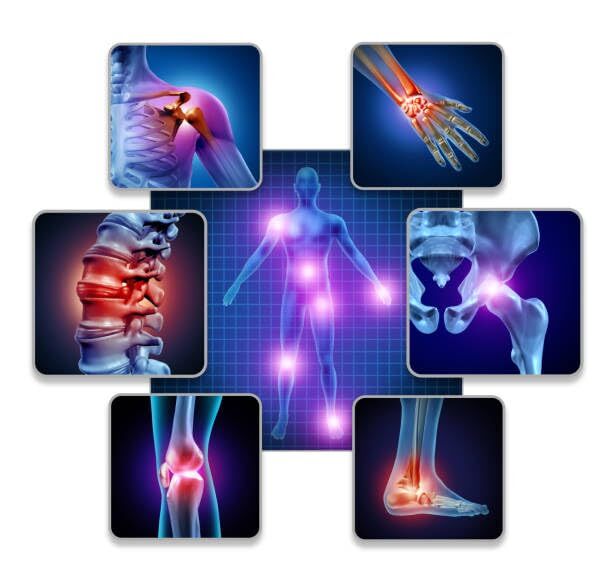
What Causes Joint Discomfort?
Your joints are where two or more bones meet. They allow your body to bend, rotate, walk, lift, reach, and perform countless everyday movements.
Joints are supported by cartilage, connective tissues, muscles, tendons, and ligaments. When these structures experience stress or changes over time, you may notice stiffness, reduced flexibility, or discomfort.
Here are some common factors that can contribute to joint discomfort.
1. Age-Related Changes
One of the most common reasons mobility can change over time is simply getting older.
As we age, the structures surrounding our joints can gradually change. Cartilage may become less resilient, muscle mass can decrease, and flexibility may decline.
These changes don't necessarily mean that joint problems are inevitable. However, they can make regular movement and healthy lifestyle habits increasingly important.
Supporting muscle strength, maintaining a healthy body weight, staying active, and eating a balanced diet may help maintain mobility and healthy joints as you age.
2. Everyday Wear and Tear
Think about everything your joints do in a normal day.
Walking, climbing stairs, typing, driving, gardening, cleaning, carrying groceries, exercising, and even standing for long periods all place demands on your body.
Over many years, repeated movement and mechanical stress can contribute to changes in the joints.
This is particularly relevant for weight-bearing joints such as the knees, hips, ankles, and lower back.
The goal isn't to avoid movement. In fact, regular movement is an important part of maintaining mobility. Instead, it’s about finding a healthy balance between activity, recovery, and proper movement.

3. Too Much Physical Activity
Exercise is beneficial for overall health, but more isn't always better.
Suddenly increasing your workout intensity, running longer distances, lifting heavier weights, or repeatedly performing the same movement can put additional stress on certain joints and surrounding tissues.
This is why gradual progression matters.
Giving your body enough recovery time, warming up before exercise, using appropriate technique, and varying your activities may help reduce unnecessary strain.
4. Too Little Movement
Interestingly, inactivity can also affect how your joints feel.
Spending long periods sitting at a desk, watching television, or remaining in one position may leave you feeling stiff when you finally stand up and move.
Your joints and muscles are designed for movement.
Regular low-impact activities such as walking, swimming, cycling, stretching, or mobility exercises can help keep your body moving and may support flexibility.
Even short movement breaks throughout the day can be useful if you spend many hours sitting.
5. Excess Strain on the Joints
Your body weight and the activities you perform can influence the amount of mechanical stress placed on certain joints.
The knees and hips, for example, carry much of your body weight during standing and walking.
Maintaining a healthy weight through balanced nutrition and regular physical activity may help reduce unnecessary strain on weight-bearing joints while supporting overall health.
6. Inflammation and Lifestyle Factors
Inflammation is a normal part of the body's response to injury and stress. However, various lifestyle factors can influence inflammatory processes in the body.
Poor sleep, chronic stress, smoking, an unbalanced diet, and a sedentary lifestyle can all affect overall wellness.
A healthier routine that includes adequate sleep, regular movement, nutritious foods, hydration, and stress management can provide broader support for your body's normal functions.
Looking for nutritional support designed around joint wellness?
Learn More About Youthful Joints→Why Does Joint Mobility Change With Age?
You may remember being able to bend, squat, stretch, or move without thinking about it.
Then, somewhere along the way, certain movements started feeling more difficult.
This can happen because several changes occur naturally with age.
Muscle strength and mass can decline when we don't actively maintain them. Flexibility may decrease. Recovery after intense activity may take longer. Connective tissues can also become less adaptable.
At the same time, many people become less physically active as they get older.
This creates a cycle: less movement can contribute to reduced strength and flexibility, which can make movement feel harder, leading to even less activity.
Breaking that cycle with appropriate, regular movement can be an important part of maintaining mobility.
You don't necessarily need intense workouts. Consistency often matters more than intensity.
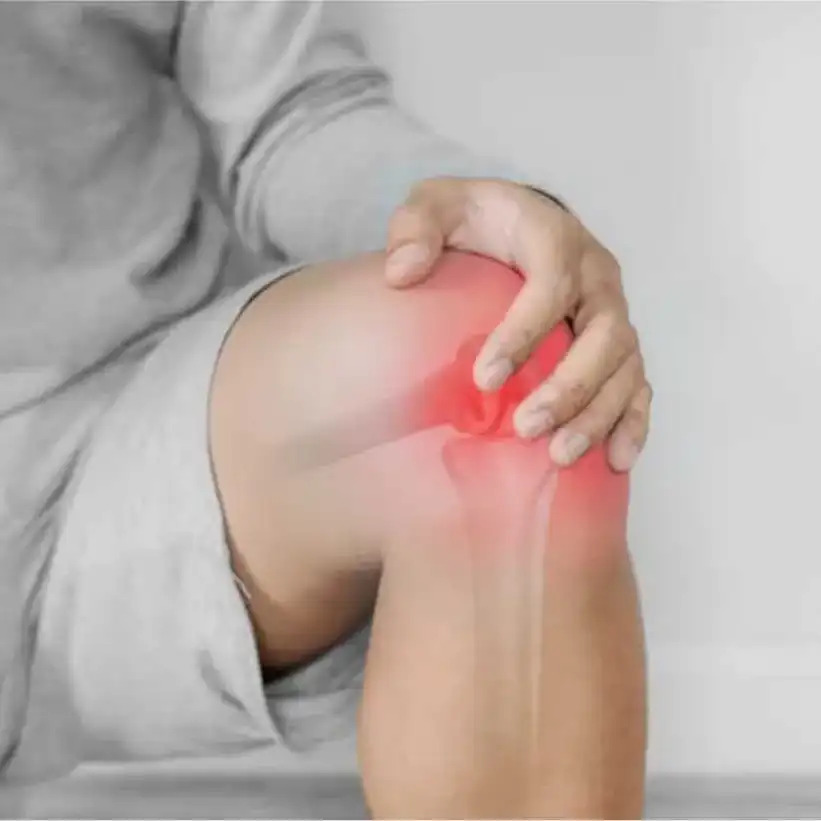
6 Lifestyle Habits That May Support Joint Health
Healthy joints aren't supported by one single food, exercise, or supplement.
Instead, think about the bigger picture.
1. Stay Physically Active
Regular movement helps keep muscles strong and supports mobility.
Walking, swimming, cycling, yoga, strength training, and gentle mobility exercises can all have a place in a balanced routine.
Choose activities you enjoy so you're more likely to stay consistent.
2. Maintain Muscle Strength
Strong muscles help support your joints during everyday activities.
Strength exercises that target the legs, hips, core, arms, and back can be particularly useful for maintaining functional movement.
If you're new to exercise, start gradually and consider working with a qualified professional to learn proper technique.
3. Don't Stay in One Position Too Long
If you work at a desk, set reminders to stand up and move regularly.
A few minutes of walking or gentle stretching throughout the day can help break up long periods of inactivity.
4. Prioritize Healthy Nutrition
A balanced diet provides the vitamins, minerals, protein, healthy fats, and other nutrients your body needs for normal function.
Focus on vegetables, fruits, whole grains, legumes, nuts, seeds, quality protein sources, and healthy fats.
5. Get Enough Sleep
Sleep is an important part of recovery and overall wellness.
Consistently getting adequate, quality sleep can support your body's normal recovery processes and help you feel more prepared for daily activity.
6. Manage Stress
Chronic stress can affect sleep, activity levels, eating habits, and overall well-being.
Simple practices such as walking outdoors, breathing exercises, meditation, hobbies, or spending time with friends and family may help support a healthier stress response.
Review Youthful Joints ingredients and current product details.
Explore Youthful Joints Ingredients→Nutrients and Natural Ingredients Commonly Studied for Joint Support
Nutrition is another area worth considering when thinking about joint health.
Certain nutrients and natural compounds have been studied for their potential role in maintaining normal joint function, mobility, and comfort.
Glucosamine
Glucosamine is a naturally occurring compound found in the body and is involved in the formation of certain connective tissues.
It has been widely studied in the context of joint health and mobility.
However, research findings have been mixed, and individual responses can vary.
Chondroitin
Chondroitin is another compound naturally found in cartilage.
It has been studied for its potential role in supporting joint structure and function.
Like glucosamine, research results have varied depending on the population and formulation studied.
Turmeric and Curcumin
Turmeric contains a compound called curcumin.
Curcumin has been studied for its antioxidant and inflammatory-response-related properties.
Because turmeric and curcumin products can differ significantly in concentration and absorption, it's important to look at the specific formulation rather than assuming all products work the same way.
Collagen
Collagen is a major structural protein found throughout the body, including connective tissues.
Collagen peptides have been studied for their potential role in supporting connective tissue and joint-related health.
Vitamin C
Vitamin C contributes to normal collagen formation, making it an important nutrient for connective tissues.
Citrus fruits, berries, peppers, broccoli, and other fruits and vegetables can provide vitamin C.
The key takeaway is that supplements should complement—not replace—a nutritious diet and healthy lifestyle.

When Should You Talk to a Healthcare Professional?
Occasional stiffness after a long day or an unfamiliar workout may not necessarily be a cause for concern.
However, persistent or worsening joint symptoms deserve attention.
Consider speaking with a qualified healthcare professional if you experience:
- Persistent or severe joint discomfort
- Significant swelling
- Redness or warmth around a joint
- A joint that becomes difficult to move
- Symptoms following a significant injury
- Repeated joint problems that interfere with daily activities
- Unexplained symptoms that continue or worsen
A healthcare professional can help determine the underlying cause and recommend appropriate treatment or management.
A dietary supplement should never be viewed as a substitute for professional medical advice or prescribed treatment.
Can a Daily Joint-Support Supplement Fit Into a Healthy Lifestyle?
For some people, a dietary supplement can be a convenient way to complement an already healthy routine.
The important word is complement.
A supplement shouldn't replace movement, balanced nutrition, healthy body weight, quality sleep, or professional care when needed.
Instead, it can be considered one additional part of a broader approach to wellness.
If you're considering a joint-support supplement, look at the ingredient list, serving size, quality standards, and the manufacturer's information. It's also a good idea to speak with a healthcare professional if you take medications, have an existing health condition, are pregnant or breastfeeding, or have questions about whether a supplement is appropriate for you.
Want to see the current Youthful Joints offer?
Check the Current Offer→Introducing Youthful Joints
If you're looking for a convenient supplement designed specifically around joint wellness, Youthful Joints is one option to explore.
Youthful Joints is a dietary supplement formulated with ingredients commonly associated with joint and connective-tissue support.
Its formulation includes ingredients such as glucosamine, chondroitin, turmeric/curcumin, collagen, and supportive nutrients, depending on the specific product formulation.
These ingredients have been studied for different aspects of joint and connective-tissue health.
The intended purpose isn't to "fix" aging joints or treat a medical condition. Rather, a product like Youthful Joints may be used as part of a broader wellness routine focused on supporting healthy joints, mobility, flexibility, and an active lifestyle.
As with any dietary supplement, results can vary from person to person.
It's also important to review the current product label and ingredient information before purchasing, since formulations and serving recommendations can change.

A Bigger Picture Approach to Healthy Joints
It's easy to look for one solution when your knees, back, or wrists don't feel as flexible as they once did.
But joint health is rarely about one thing.
Your daily movement, exercise routine, nutrition, body weight, sleep, stress levels, recovery habits, and age can all play a role.
Instead of waiting until discomfort interferes with your favorite activities, consider building supportive habits now.
Take regular walks.
Strengthen your muscles.
Stretch and work on mobility.
Eat a nutrient-rich diet.
Give your body time to recover.
And consider whether a quality joint-support supplement fits your personal wellness goals.
Small, consistent habits can add up over time.

Final Thoughts
So, why do your knees, back, and wrists hurt?
There isn't always one simple answer.
Age-related changes, everyday wear and tear, physical activity, inactivity, excess strain, inflammation, and lifestyle factors can all influence how your joints feel.
The good news is that there are practical steps you can take to support healthy joints and maintain mobility.
Regular movement, muscle-strengthening exercises, nutritious foods, adequate sleep, stress management, and maintaining a healthy weight can all contribute to an active lifestyle.
For those who want additional nutritional support, ingredients such as glucosamine, chondroitin, turmeric/curcumin, collagen, and vitamin C have been studied in relation to joint or connective-tissue health.
A product such as Youthful Joints may be worth exploring as one part of that bigger-picture approach.
It isn't a cure for arthritis or other joint conditions, and it shouldn't replace medical treatment. But when combined with healthy lifestyle habits, a thoughtfully formulated supplement may provide convenient nutritional support for people who want to stay active and support their joint health.
Your joints help you do the things you enjoy every day. Supporting them with healthy, consistent habits can be a worthwhile investment in your long-term mobility and quality of life.
Ready to review Youthful Joints for yourself?
Learn More About Youthful Joints→Supplement Disclaimer
Youthful Joints is a dietary supplement and is not intended to diagnose, treat, cure, or prevent any disease or medical condition. Individual responses to supplements can vary. Consult a qualified healthcare professional before using any dietary supplement, particularly if you are pregnant, nursing, taking medication, or managing a medical condition.